A new fare structure from United Airlines signals how airlines are continuing to refine pricing strategies, offering more granular choices while further segmenting the travel experience across cabins.
United Airlines is extending its tiered fare model into premium cabins, introducing base, standard, and flexible options for long-haul international, transcontinental U.S., and select Hawaii routes. The move builds on a structure already familiar to economy passengers, where pricing tiers correspond to varying levels of flexibility and included services.
At its core, the change reflects a broader shift in airline economics toward unbundling and personalization. By allowing travelers to select features such as seat assignments, baggage allowances, and refundability, airlines can appeal to a wider range of preferences while maintaining tighter control over pricing. What was once included in a single fare is now increasingly broken into components that passengers can choose—or decline.
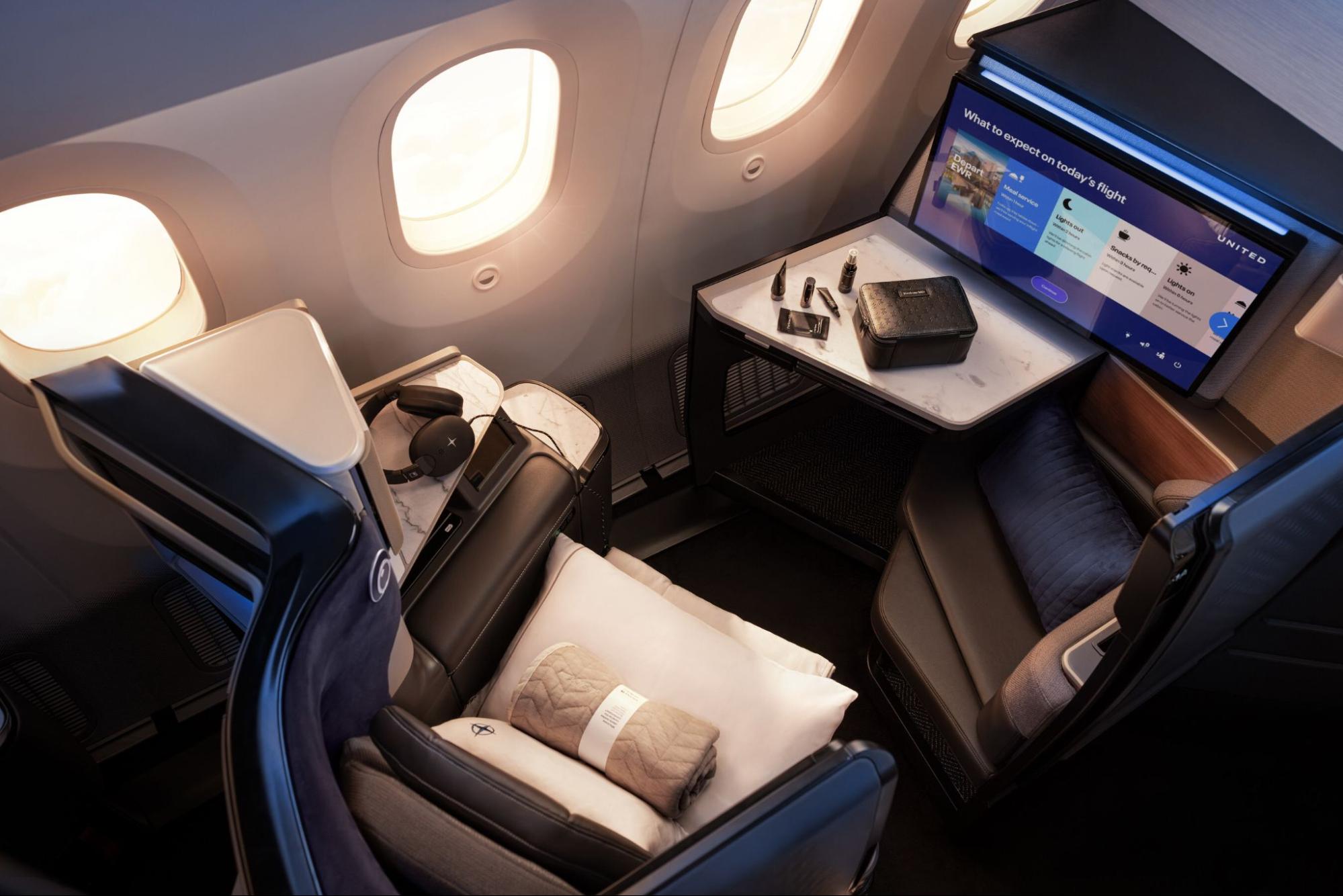
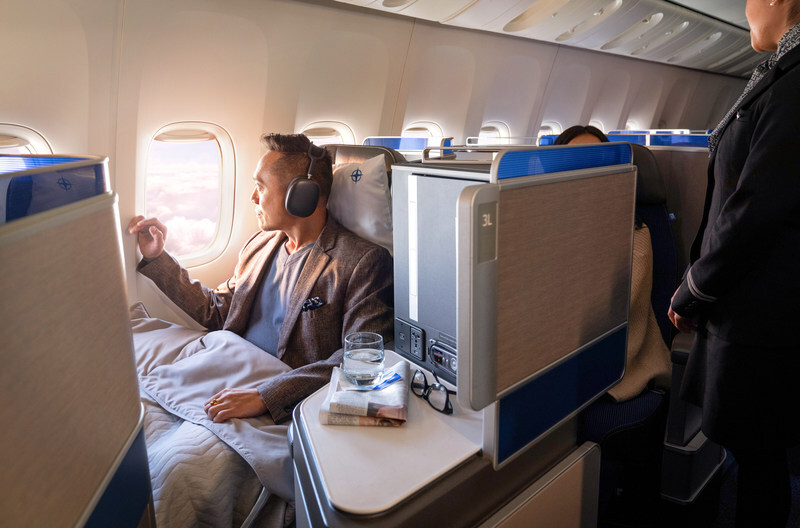
The expansion into premium cabins is particularly notable because it brings this model into a segment traditionally associated with more all-inclusive offerings. While higher-tier fares will continue to include benefits such as lounge access and flexibility, the introduction of a lower-priced “base” option suggests that even premium travel is becoming more modular. This could make front-cabin experiences accessible to more travelers, though with clearer trade-offs.
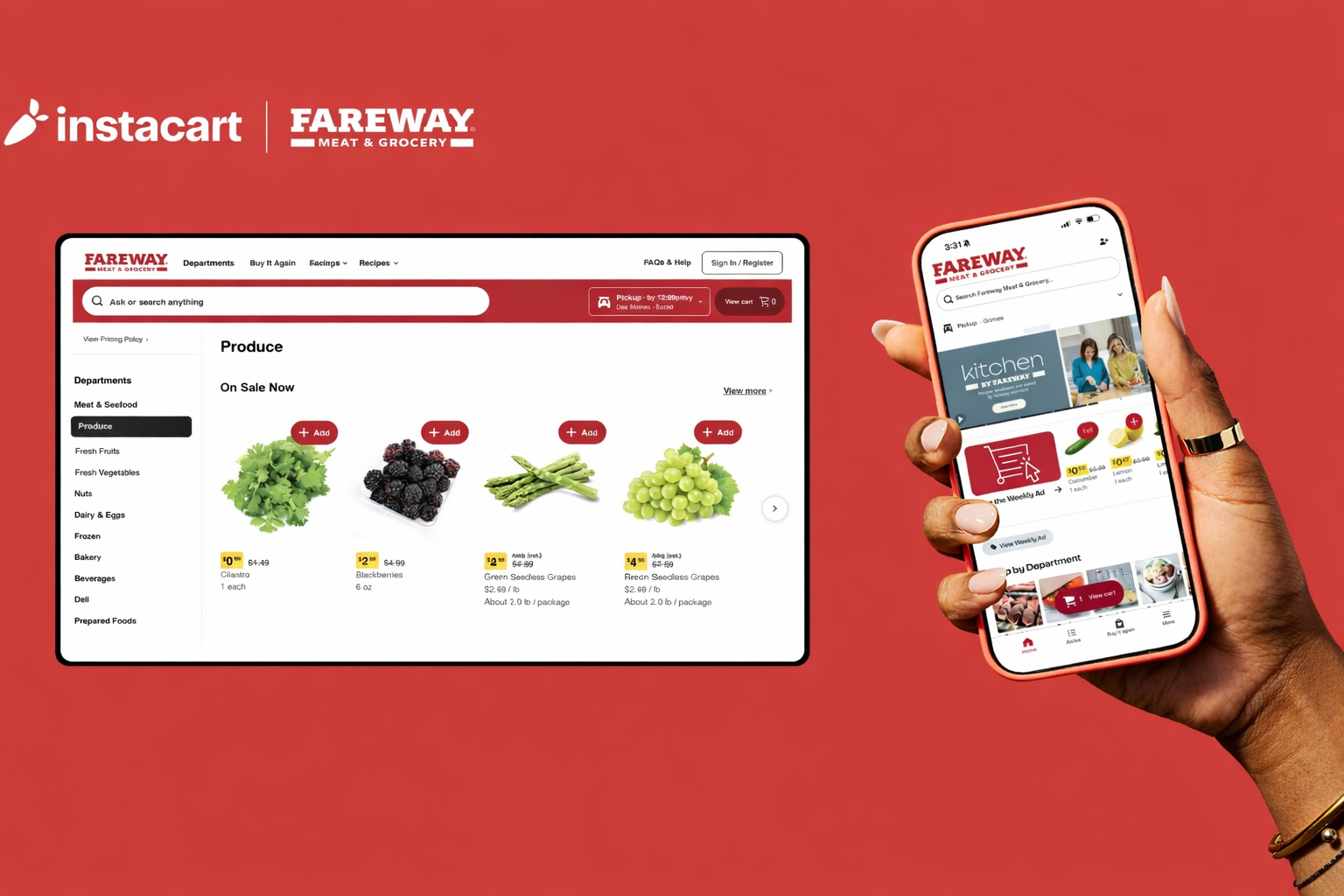
The update is also accompanied by changes to how fares are presented digitally, with redesigned booking interfaces intended to clarify differences between options. This emphasis on transparency points to an ongoing challenge for airlines: simplifying increasingly complex pricing structures without overwhelming customers during the booking process.
For frequent flyers, the shift may offer greater control over cost and convenience, but it also requires more active decision-making. The ability to customize a ticket can be valuable, yet it places more responsibility on travelers to evaluate what is—and is not—included in each tier.
United’s approach reflects a wider industry trend in which airlines continue to balance flexibility, revenue optimization, and customer expectations. As fare structures become more layered, the travel experience itself is evolving into something less standardized and more individually tailored, for better or for worse.