A sweeping aircraft order and cabin redesign signal how United Airlines is reshaping its business around higher-end travel, even as it maintains broad access across regional and economy routes.
United Airlines is planning to add more than 250 aircraft by 2028, marking one of the largest fleet expansions in recent aviation history. The move reflects a long-term strategy to modernize its fleet while placing greater emphasis on premium seating, onboard technology, and differentiated passenger experiences.
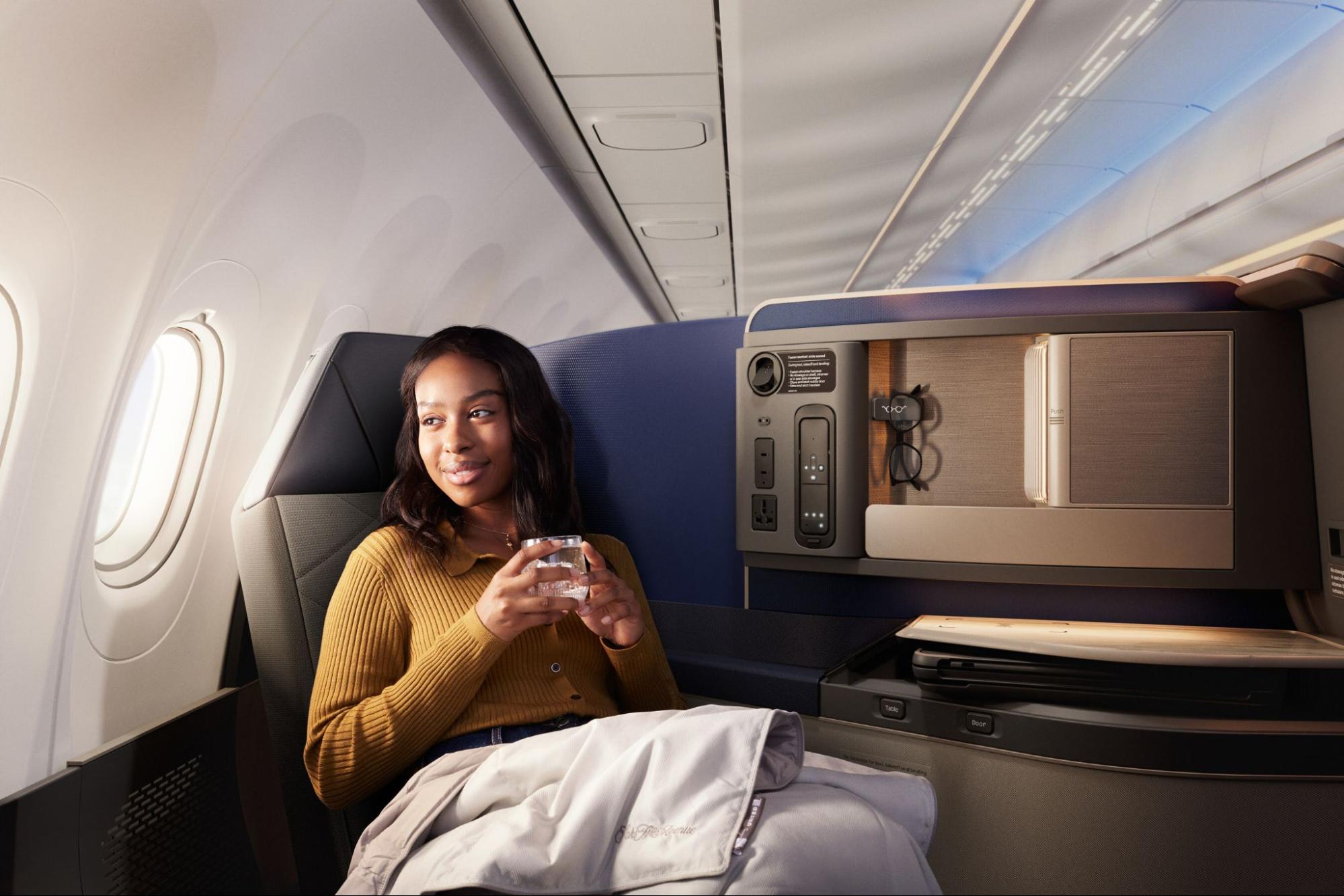
A notable element of the plan is the introduction of widebody-style amenities on smaller, narrowbody aircraft. New Airbus A321 variants will feature lie-flat business class seats typically reserved for international flights, signaling a shift in how airlines approach high-demand domestic and short-haul routes.
This expansion of premium offerings aligns with broader industry trends, where airlines are increasingly relying on higher-margin seats to drive profitability. United has already increased the number of premium seats on North American flights in recent years, and the new aircraft configurations suggest that this approach will continue to shape its network.
At the same time, the airline is investing in regional connectivity through redesigned smaller aircraft aimed at linking less-served cities to major hubs. These updates include rethinking cabin layouts to create a more spacious experience, indicating that even short-haul travel is being repositioned as part of a more cohesive brand experience.
Technology is another central focus, with plans to expand onboard connectivity, increase the number of seatback screens, and standardize features across cabins. These upgrades point to an effort to meet evolving passenger expectations, where consistent digital access and entertainment are becoming baseline requirements rather than differentiators.
The scale of the investment also reflects competitive pressure within the airline industry, where carriers are seeking to distinguish themselves through both hardware and service design. By combining fleet growth with cabin innovation, United is attempting to balance expansion with a more curated travel experience.
Still, such an ambitious rollout comes with operational and financial considerations, particularly as airlines navigate fluctuating demand and rising costs. The success of the strategy will depend not only on attracting premium travelers but also on maintaining efficiency across a larger and more complex fleet.
Ultimately, United’s plan highlights a broader transformation in aviation. As airlines rethink how they allocate space, design cabins, and price experiences, the definition of value in air travel is shifting toward comfort, consistency, and choice across every segment of the journey.