United Airlines’ upgraded Boeing 787-9 reflects a broader industry push toward premium long-haul experiences, as carriers compete on comfort, technology, and differentiated cabin offerings.
United Airlines has opened bookings for its redesigned Boeing 787-9 Dreamliner, introducing what it describes as its most premium international aircraft to date. The rollout marks a significant investment in long-haul travel, with the first flight scheduled from San Francisco to Singapore in April, followed by additional international routes.
The aircraft’s updated interior emphasizes a higher proportion of premium seating, with nearly 100 seats dedicated to business and premium economy cabins. This shift mirrors a wider trend among airlines, where revenue growth is increasingly tied to higher-paying passengers rather than maximizing overall seat count.
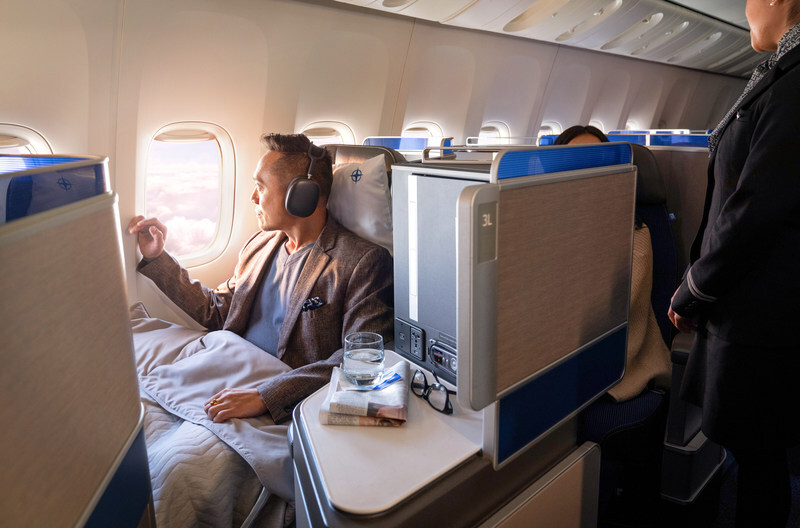
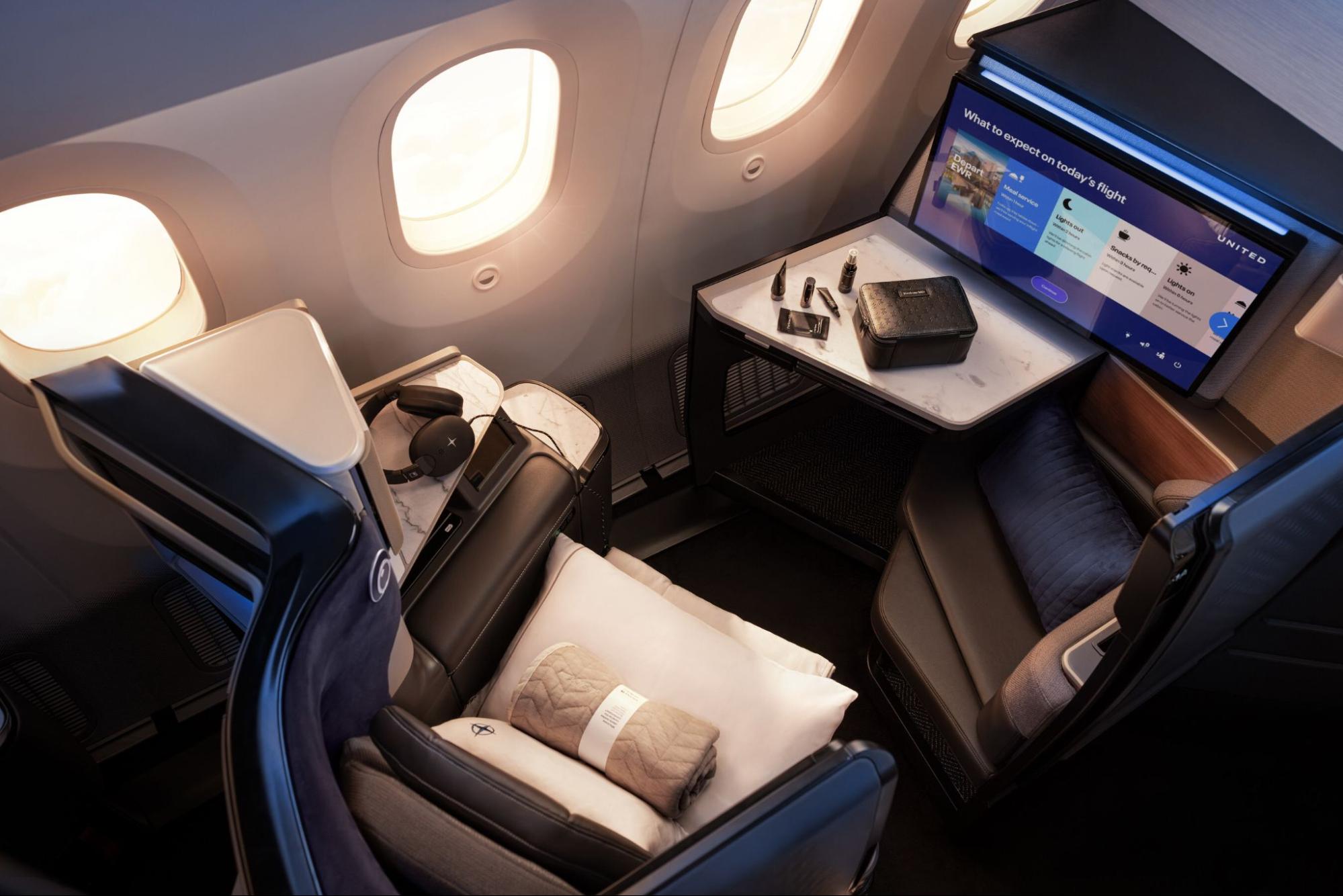
Central to the redesign is the introduction of new Polaris Studio suites, which expand on existing business-class offerings with larger seating areas, privacy features, and upgraded in-flight amenities. While such enhancements are often framed as luxury, they also reflect changing passenger expectations for long-haul travel, where comfort and personal space have become key differentiators.
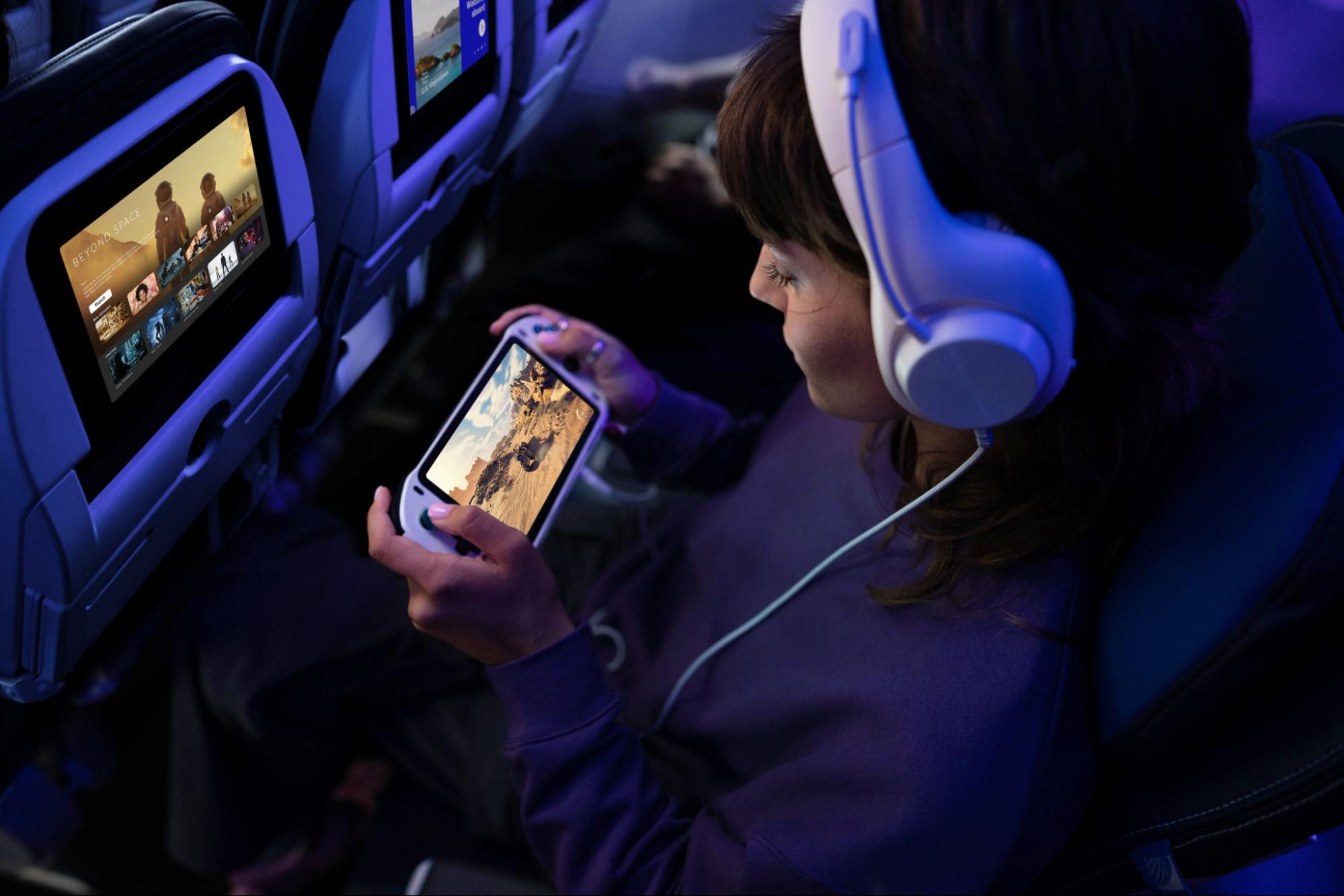
Technology plays a visible role across all cabins, with larger seatback screens, Bluetooth connectivity, and wireless charging integrated throughout the aircraft. These features suggest that airlines are treating in-flight experience as an extension of personal digital environments, rather than a disconnected space.
At the same time, the upgrades extend beyond premium cabins, with improvements to economy seating, storage, and power access. This reflects an effort to balance exclusivity with broader passenger satisfaction, acknowledging that even incremental changes can influence perceptions of value across different fare classes.
United’s plan to expand this configuration across multiple aircraft by 2027 indicates that the investment is not a one-off experiment but part of a longer-term strategy. As competition intensifies on international routes, carriers are increasingly using cabin design and onboard experience to distinguish themselves in a crowded market.
The move also underscores how the economics of air travel are evolving. Premium cabins, once a smaller segment of the aircraft, are now central to profitability, shaping how airlines allocate space and design interiors.
Ultimately, the redesigned Dreamliner reflects a recalibration of priorities in aviation. As travelers place greater emphasis on comfort, connectivity, and experience, airlines are responding by rethinking not just how people get from one place to another, but how that journey feels along the way.