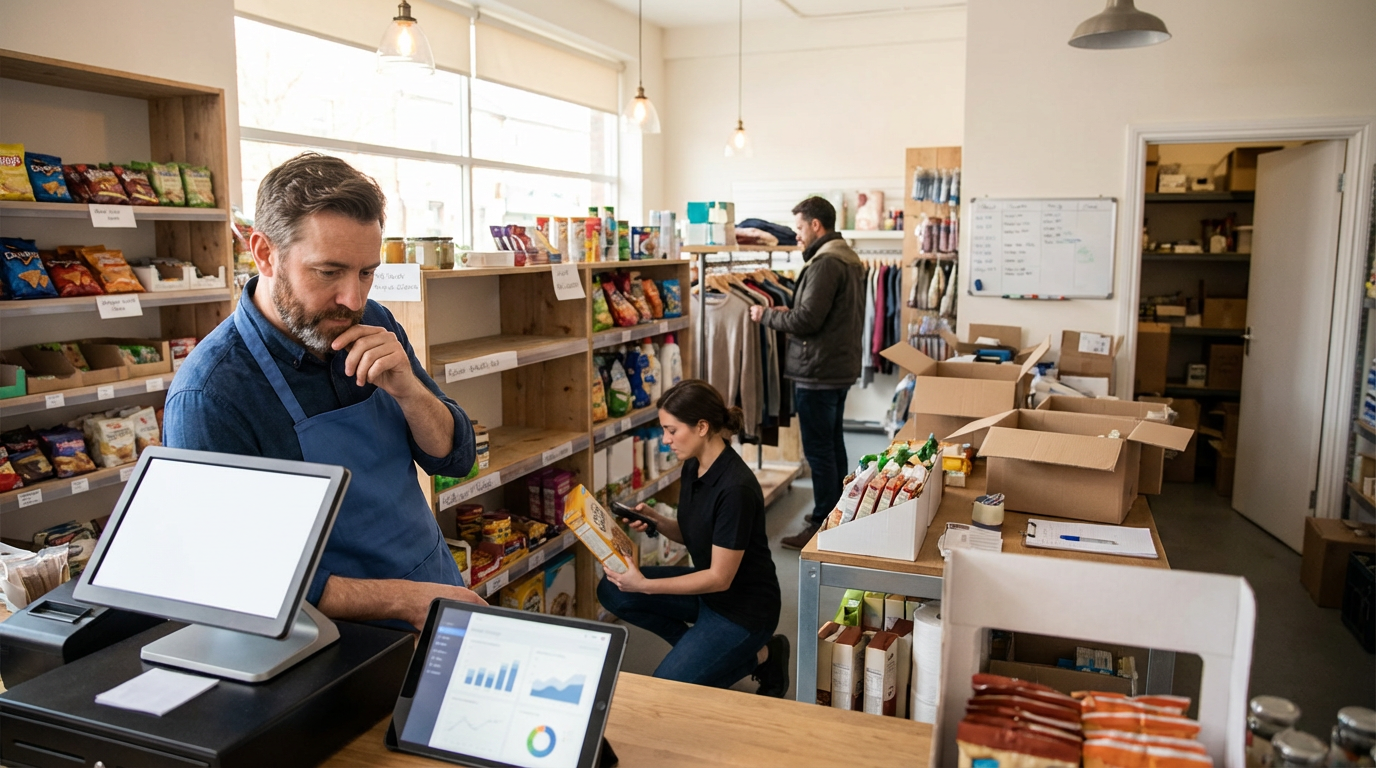
New AI-driven tools on Toast’s platform point to a broader shift in retail tech, where operators are expected not just to see data faster, but to act on it immediately without adding operational complexity.
Toast is expanding its platform for retailers at a moment when small and mid-sized operators are under pressure to manage inventory, pricing, and margins with fewer people and less time. Known primarily for restaurant technology, the company is signaling that retail has similar needs for real-time visibility and operational simplicity. The announcement matters less for any single feature than for what it suggests about how AI is being embedded into daily retail decision-making.
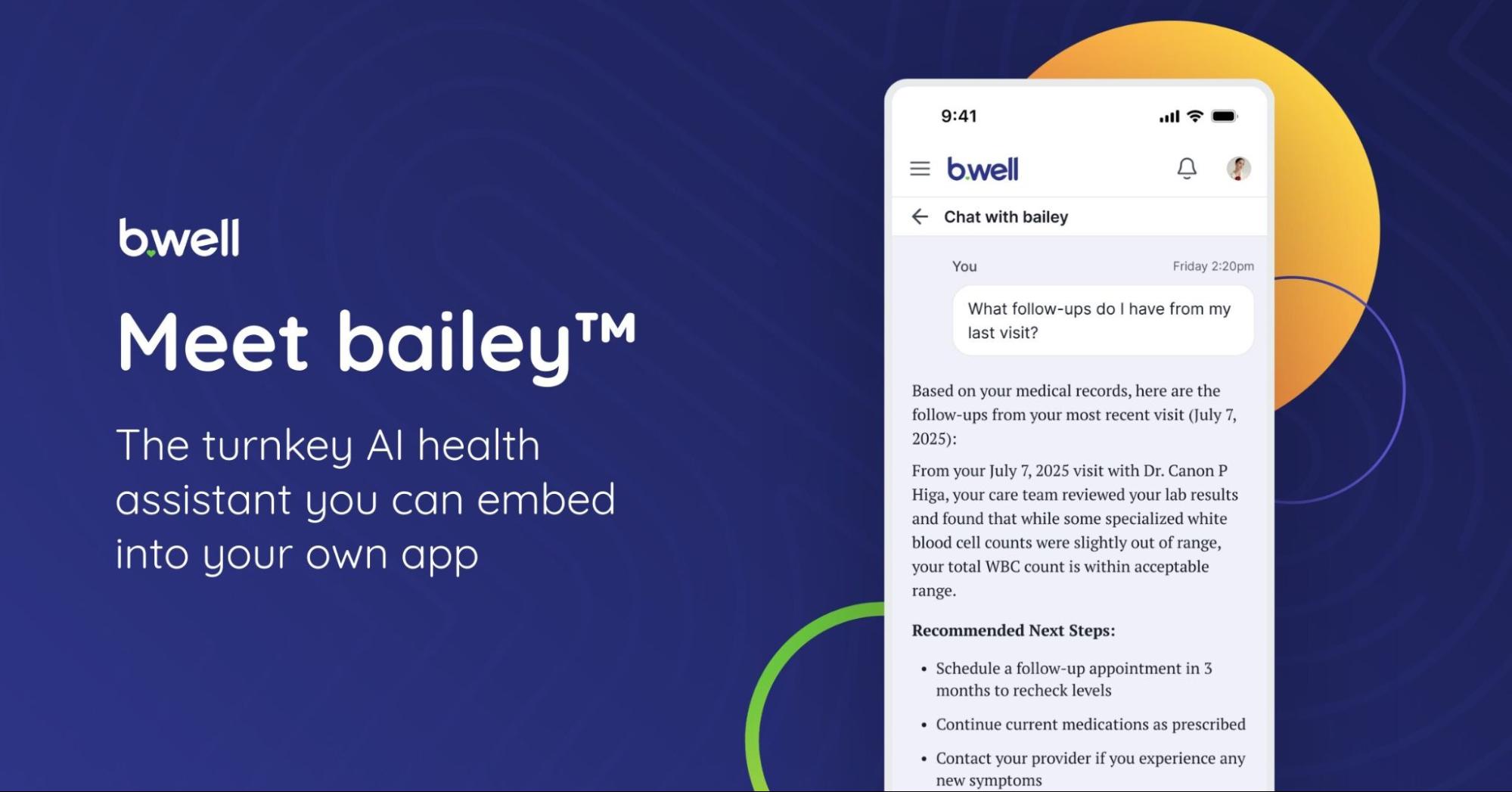
Retail has long suffered from fragmented systems that show what happened yesterday rather than what needs attention right now. Toast’s updates center on conversational AI that surfaces stock shortages, slow-moving items, and margin risks as they emerge, then allows operators to respond instantly. This shift reflects a growing expectation that business software should shorten the distance between insight and execution.
The emphasis on natural-language interaction also hints at a changing workforce reality. As staffing remains tight and roles become more fluid, retailers are looking for tools that reduce training time and cognitive load rather than adding dashboards. AI assistants that translate complex data into direct answers may help operators focus on judgment and customer experience instead of manual reconciliation.
Beyond analytics, Toast is extending automation into traditionally tedious processes like invoice entry, price labeling, and catalog cleanup. These updates acknowledge that many retail inefficiencies live in back-office routines that rarely attract innovation. By folding these tasks into a single platform, the company is betting that incremental time savings across many small actions can meaningfully affect margins.
Advertising tools built into the same system further illustrate this integrated approach. Instead of treating marketing as a separate discipline, Toast is linking ad performance directly to in-store and online sales outcomes, reinforcing a feedback loop between promotion and operations. For smaller retailers without dedicated marketing teams, this could reshape how growth decisions are made.
Taken together, Toast’s retail-focused updates highlight a broader transition in business technology. AI is no longer positioned as a futuristic add-on, but as a quiet layer that helps operators notice problems earlier and respond faster. Whether this approach becomes standard will depend on adoption and trust, but it reflects a clear direction: retail software is moving from reporting what happened to actively shaping what happens next.