As households look for faster, more efficient ways to manage everyday chores, Tineco’s latest product lineup highlights how automation and integration are reshaping routine cleaning tasks.
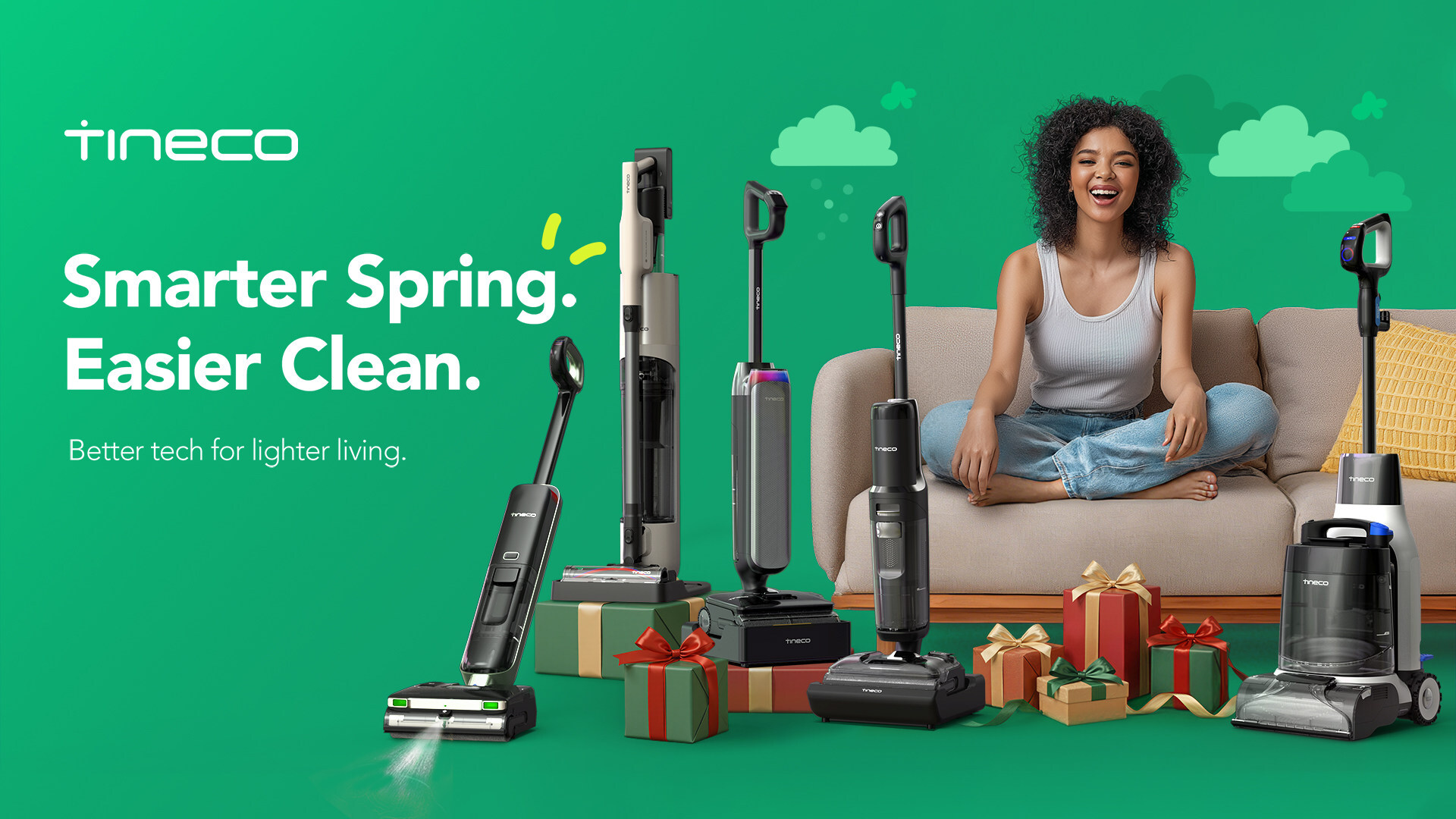
Tineco has introduced a new lineup of floor care products timed to the spring cleaning season, focusing on devices that combine multiple functions into a single process. The release underscores a broader trend in home appliances, where convenience and time savings are becoming as important as raw performance.
At the center of the lineup are floor washers that integrate vacuuming and mopping into one step, reducing the need for separate tools and workflows. This approach reflects changing expectations among consumers, particularly in busy households where efficiency often takes precedence over traditional cleaning routines.
The company is also emphasizing smart features, including sensors that adjust suction power based on detected debris. Such capabilities point to a growing role for automation in domestic tasks, as appliances increasingly adapt in real time rather than relying on fixed settings.
Beyond hard floors, the lineup includes solutions aimed at seasonal concerns such as allergens trapped in carpets and upholstery. Products like cordless vacuums with self-emptying stations and carpet cleaners designed to speed up drying times suggest a focus on both convenience and health-related outcomes.
These additions come as consumers become more aware of indoor air quality, particularly during periods like spring when pollen and dust levels rise. In this context, cleaning devices are being positioned not just as maintenance tools but as contributors to a healthier living environment.
The emphasis on bundled functionality and reduced manual effort also reflects competitive pressure within the appliance market. As more brands introduce similar innovations, differentiation increasingly depends on how seamlessly products fit into everyday life rather than on standalone features.
Tineco’s spring release, while framed around a seasonal reset, points to longer-term changes in how people approach home care. The expectation is shifting toward tools that simplify routines, minimize time spent on chores, and operate with a degree of autonomy.
Ultimately, the evolution of these products suggests that cleaning is being redefined from a series of tasks into a more streamlined, technology-assisted process. For manufacturers, the challenge will be balancing innovation with reliability, ensuring that added complexity translates into genuine everyday value.