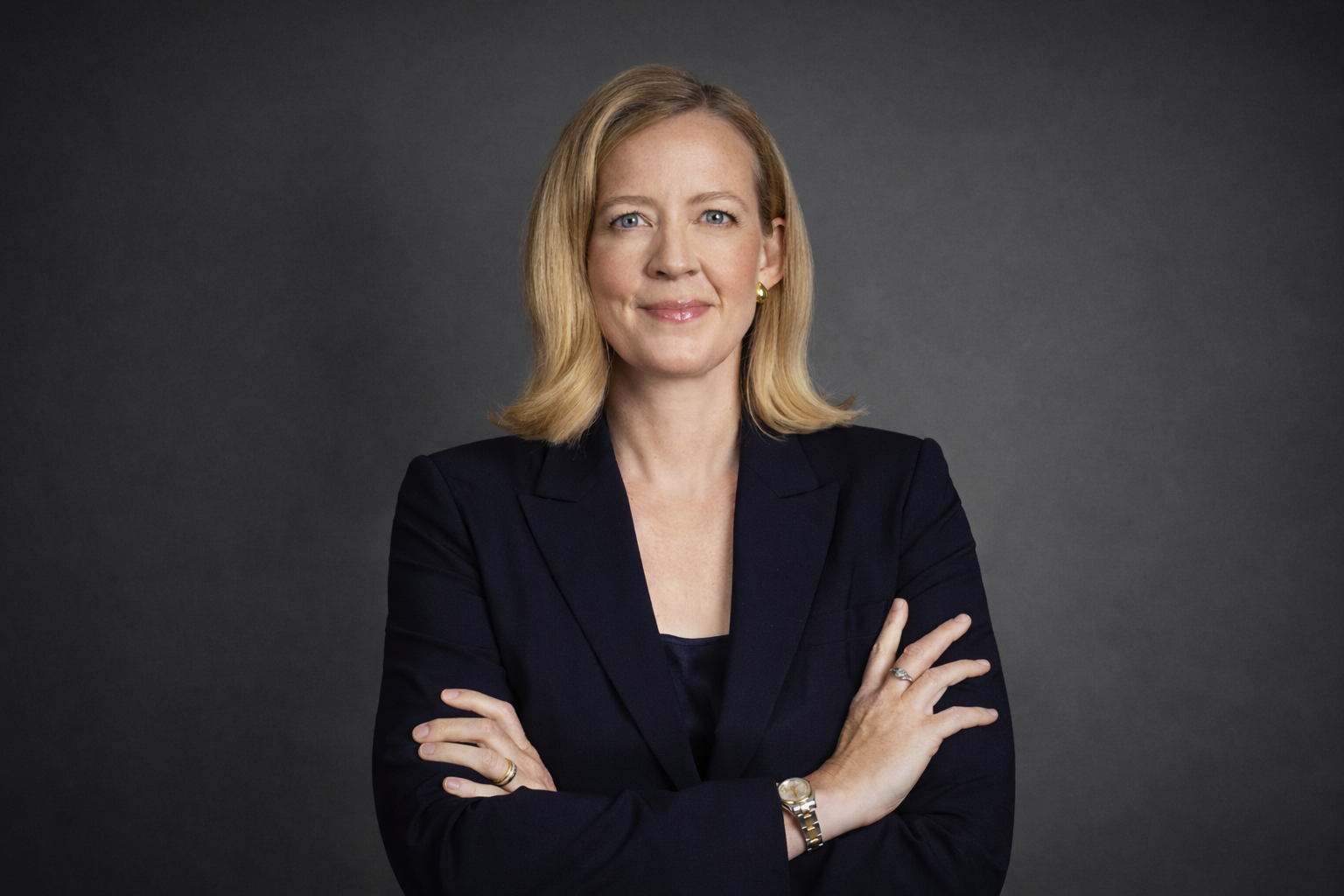
The leadership transition at Cresset reflects a broader effort among wealth management firms to balance growth with long-term stewardship as they serve increasingly complex financial needs of multigenerational families.
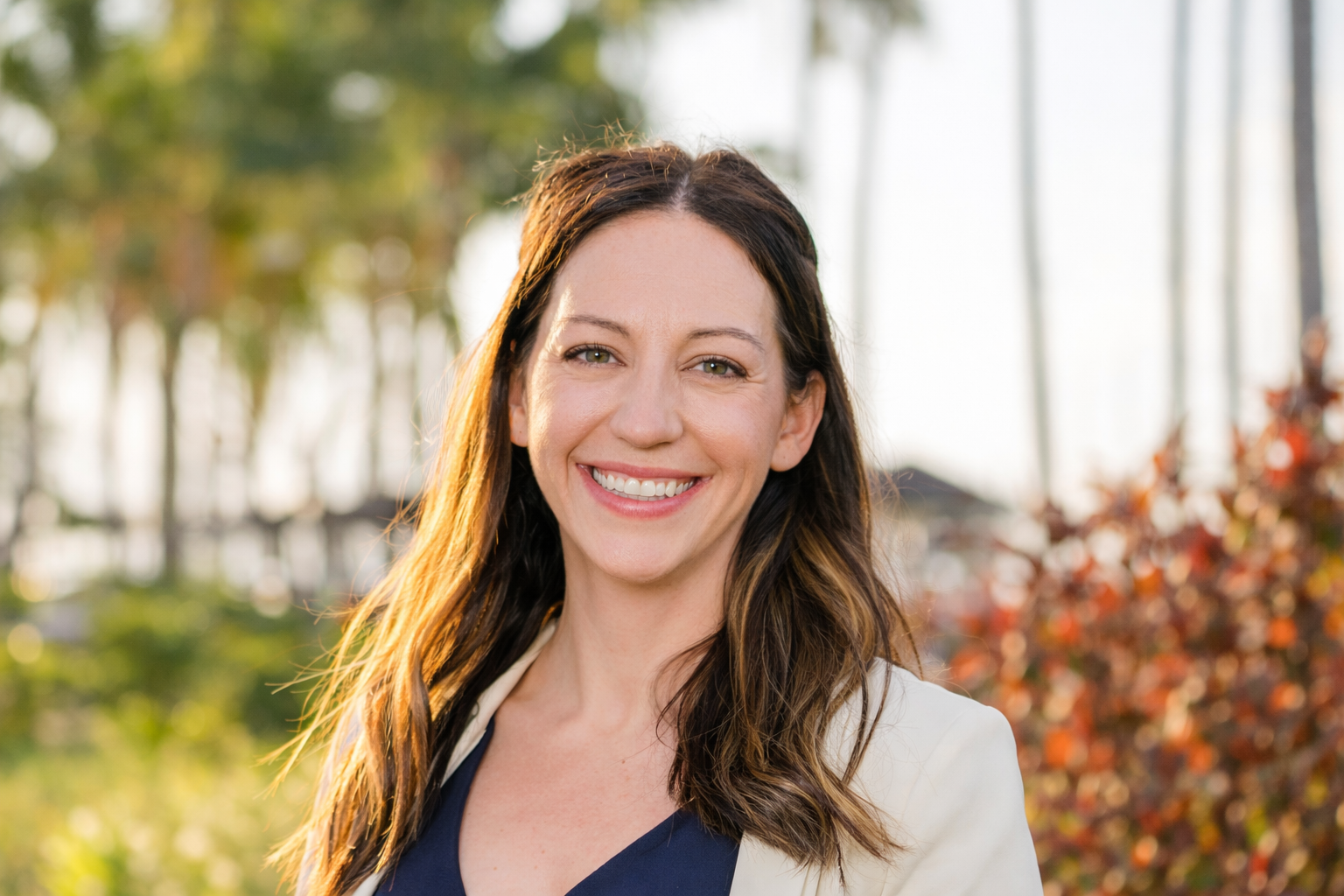
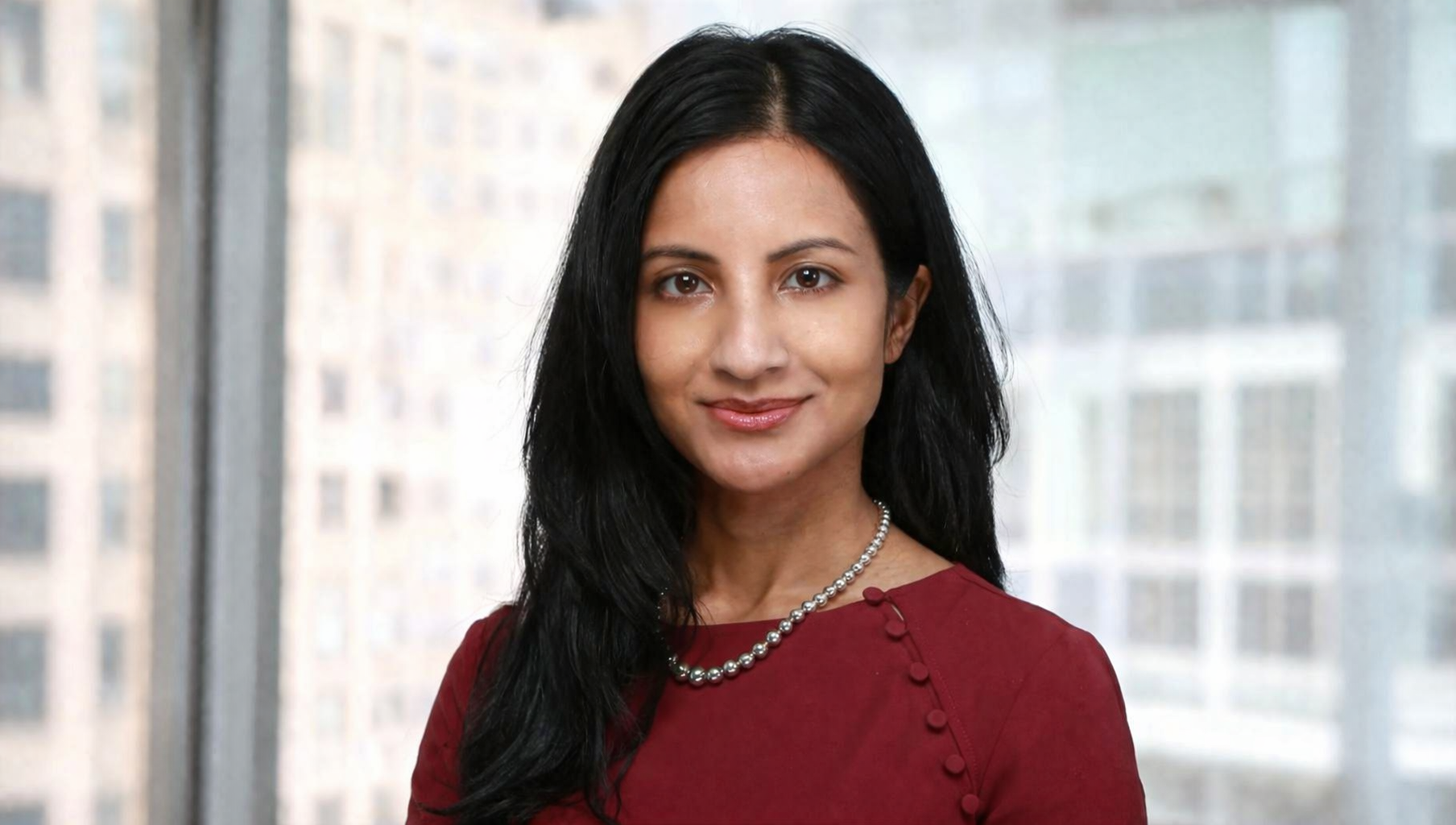
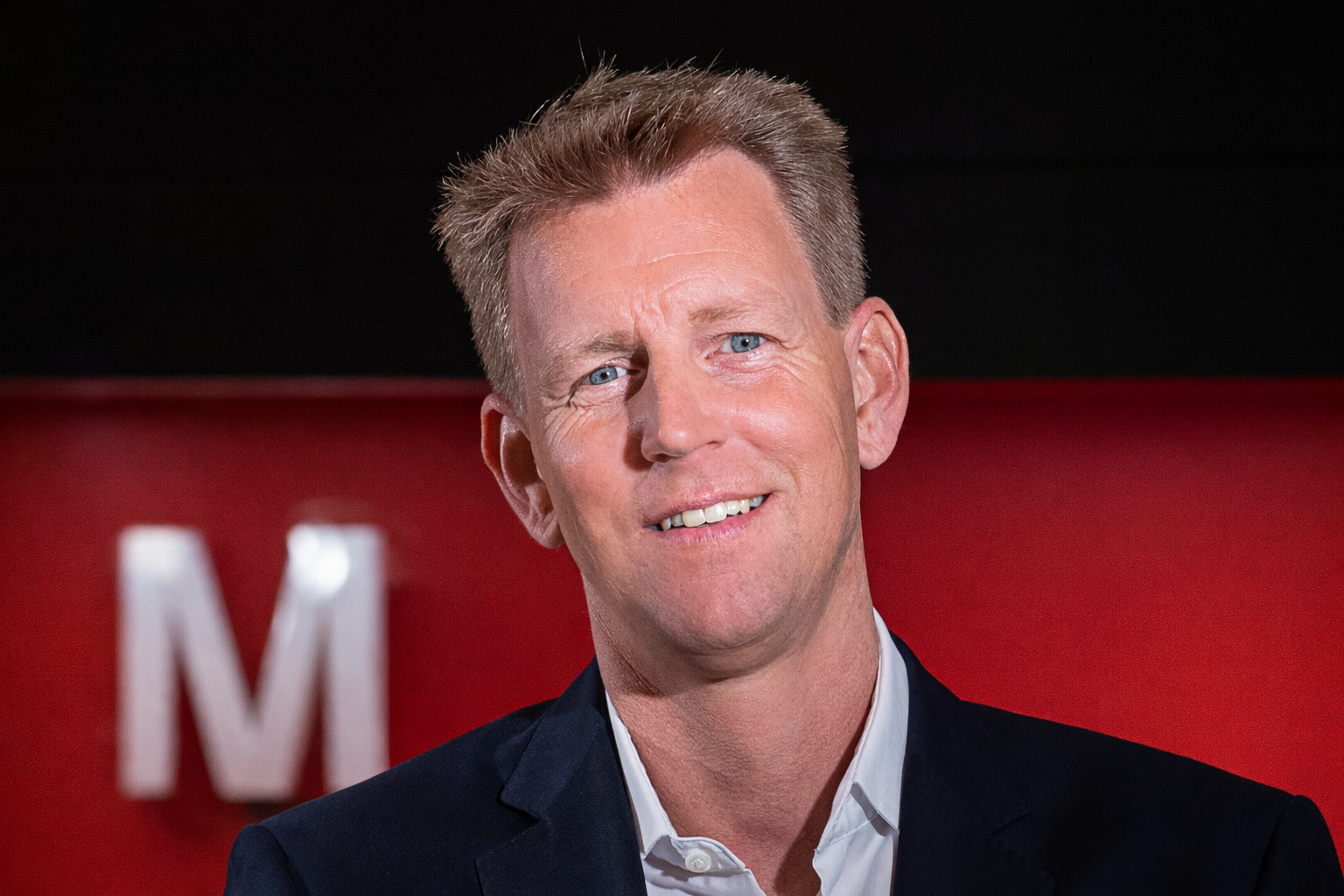
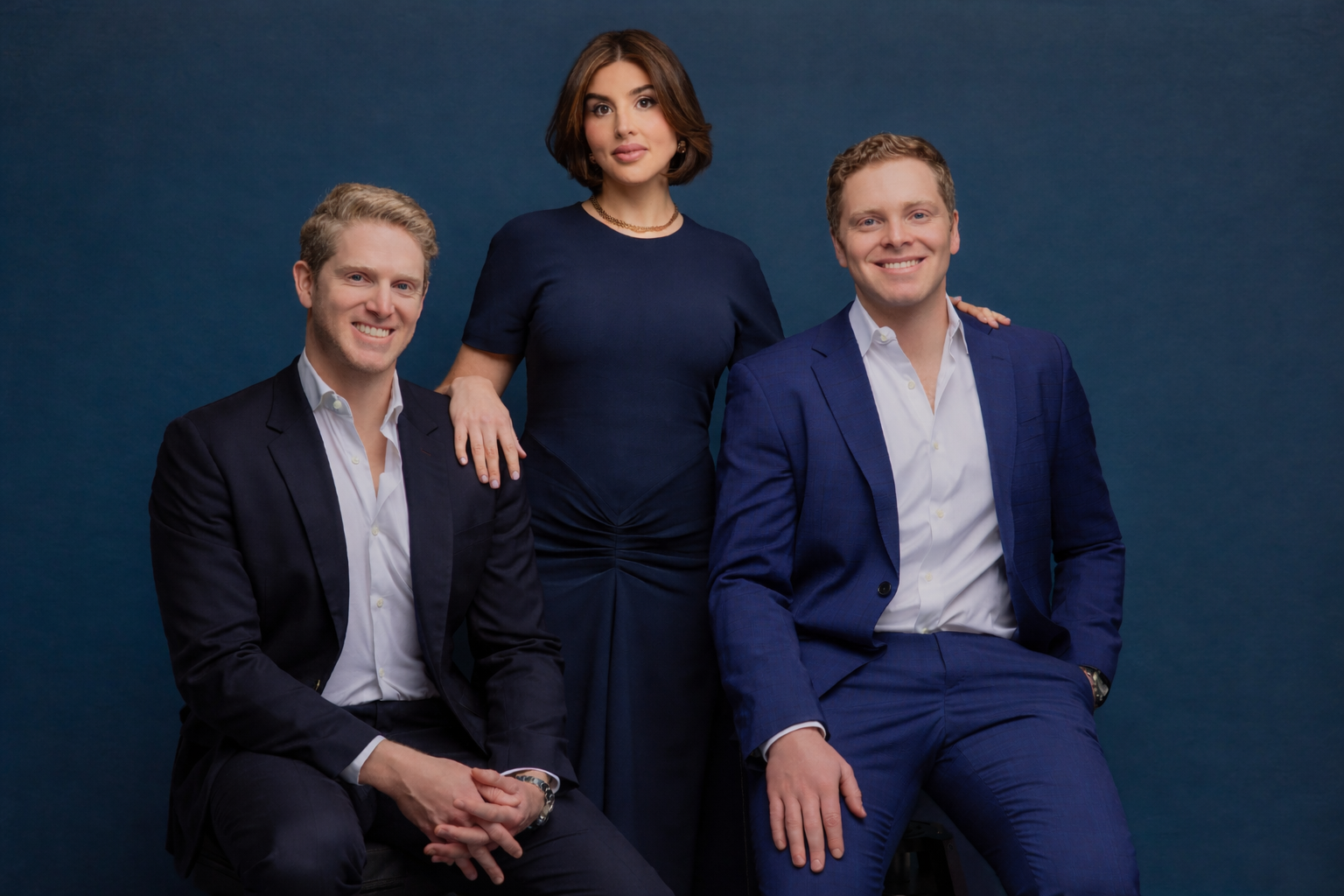
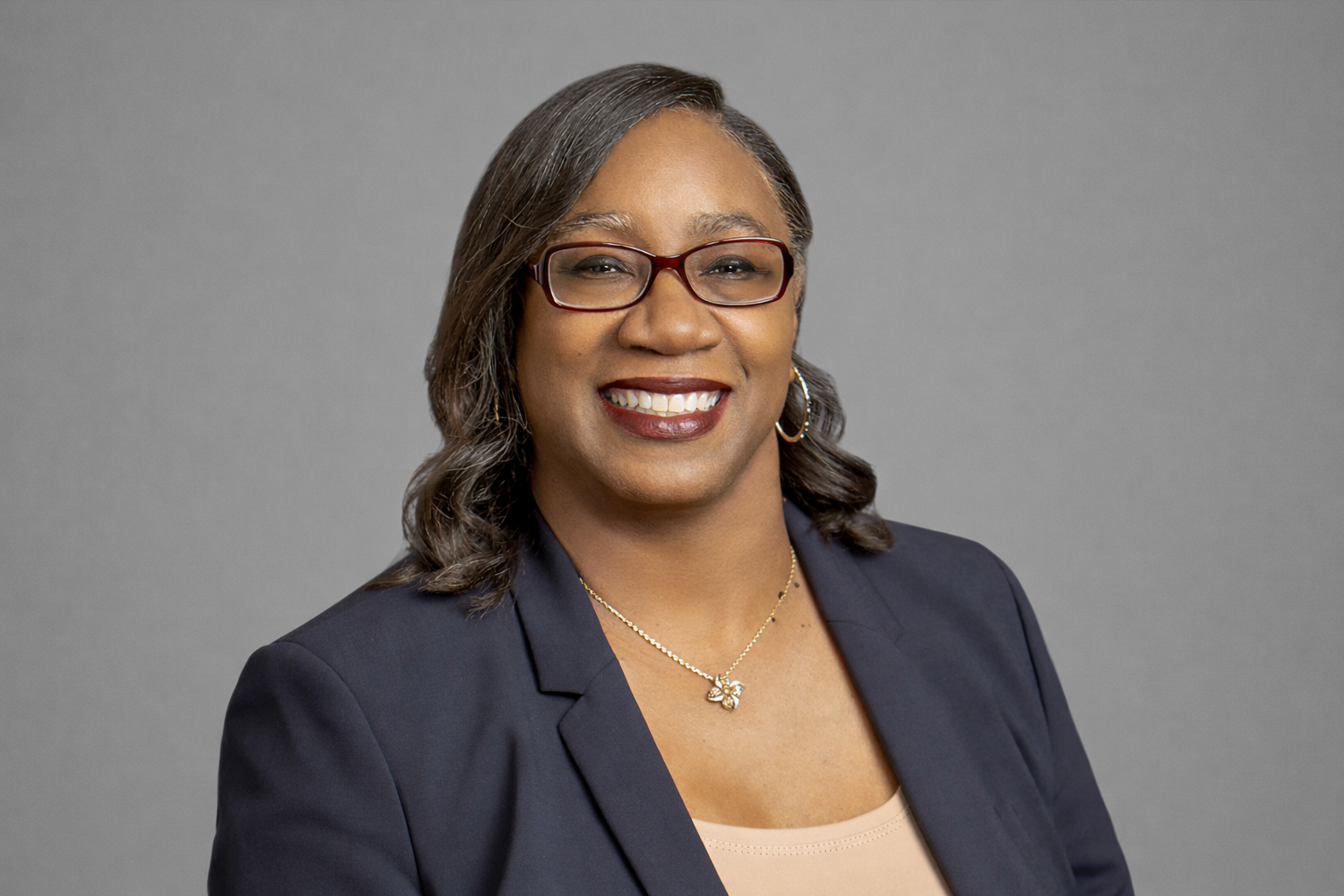
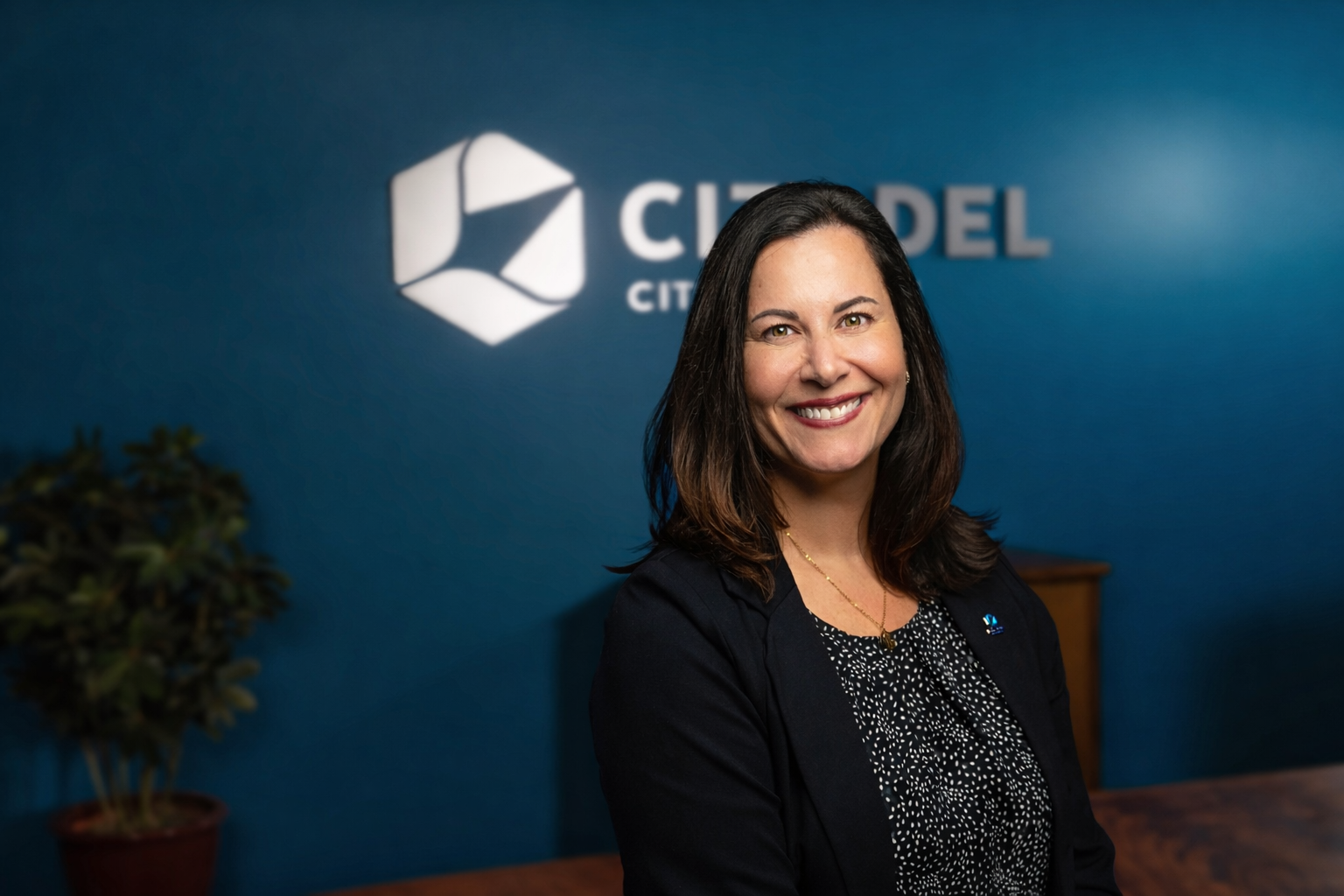
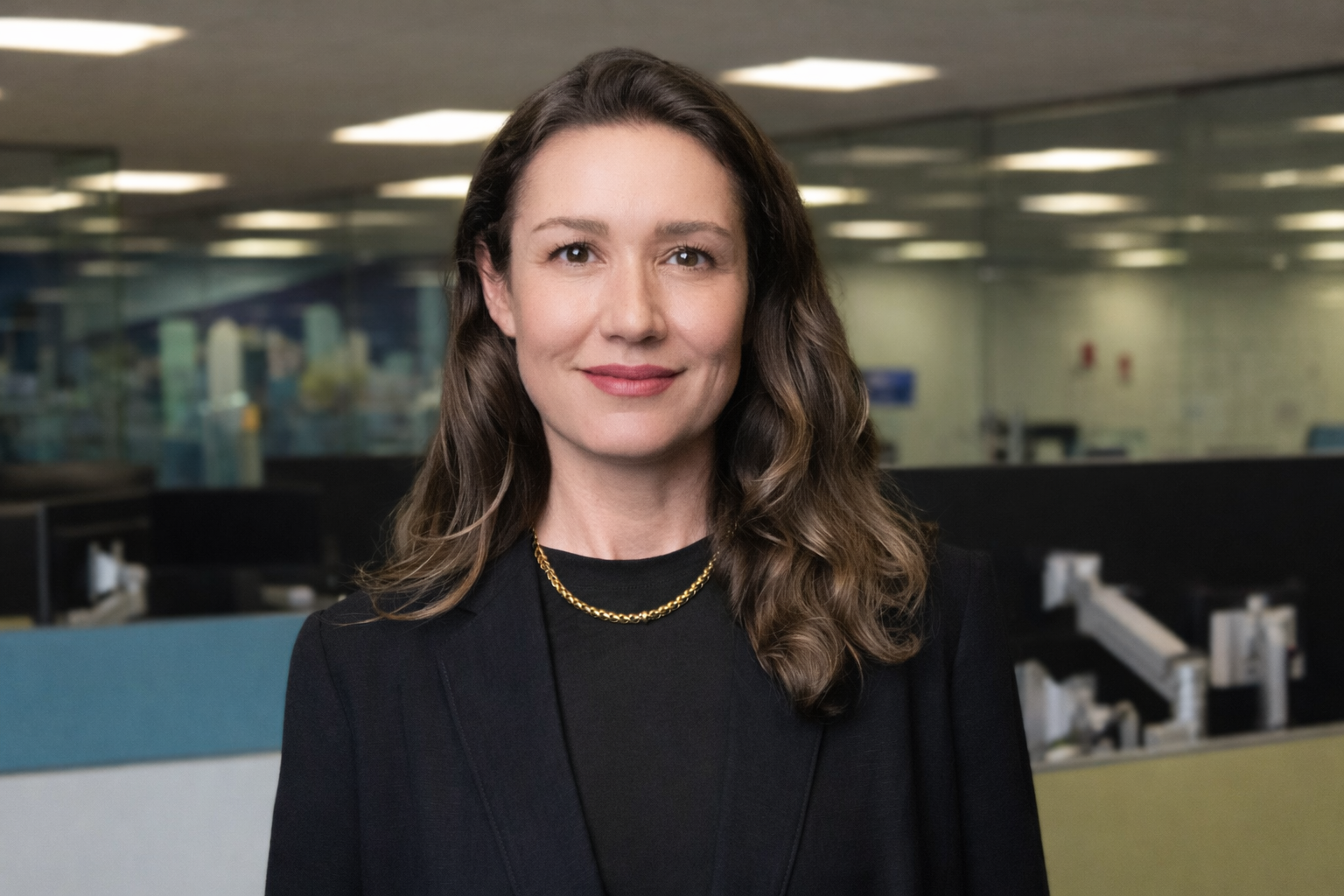
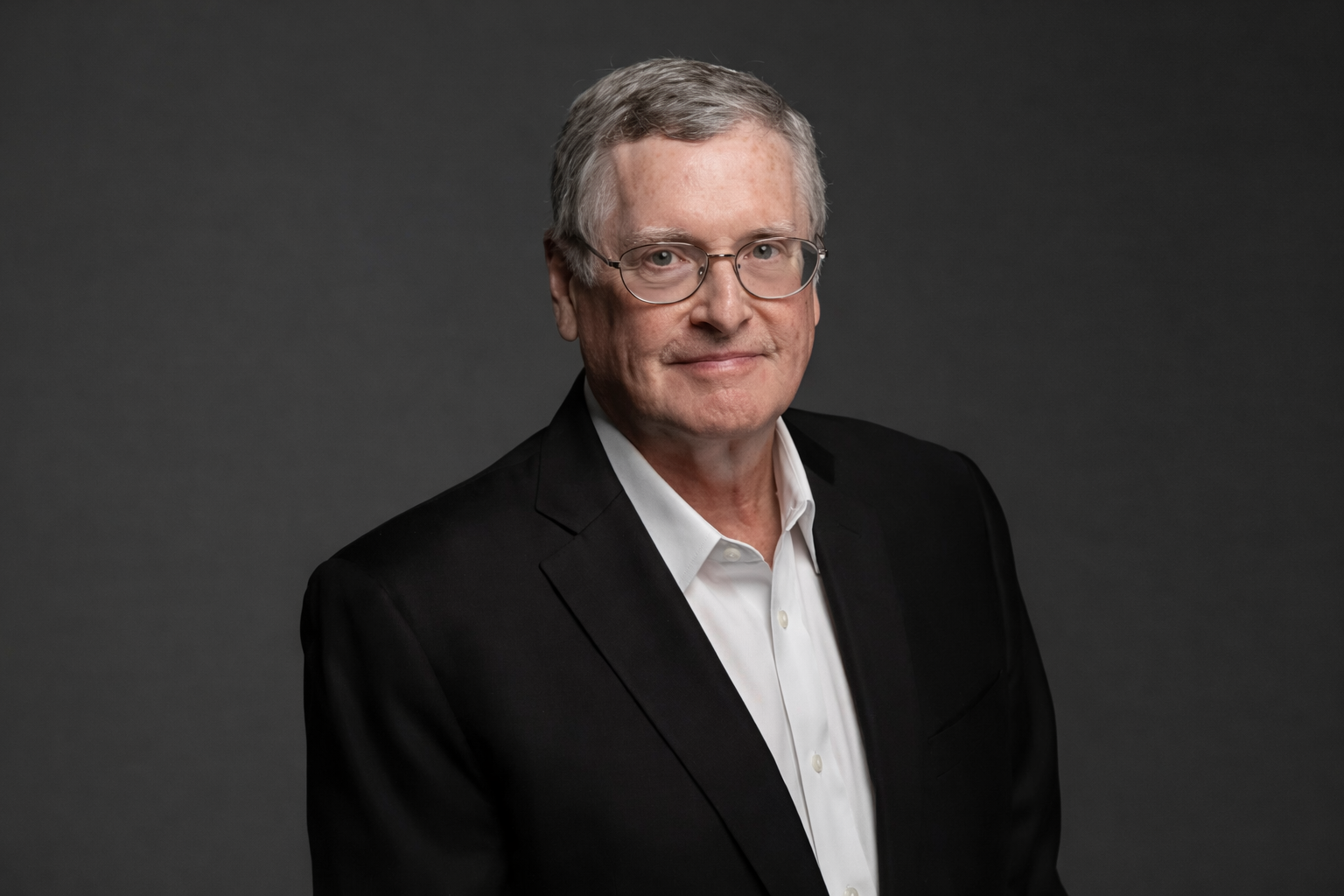
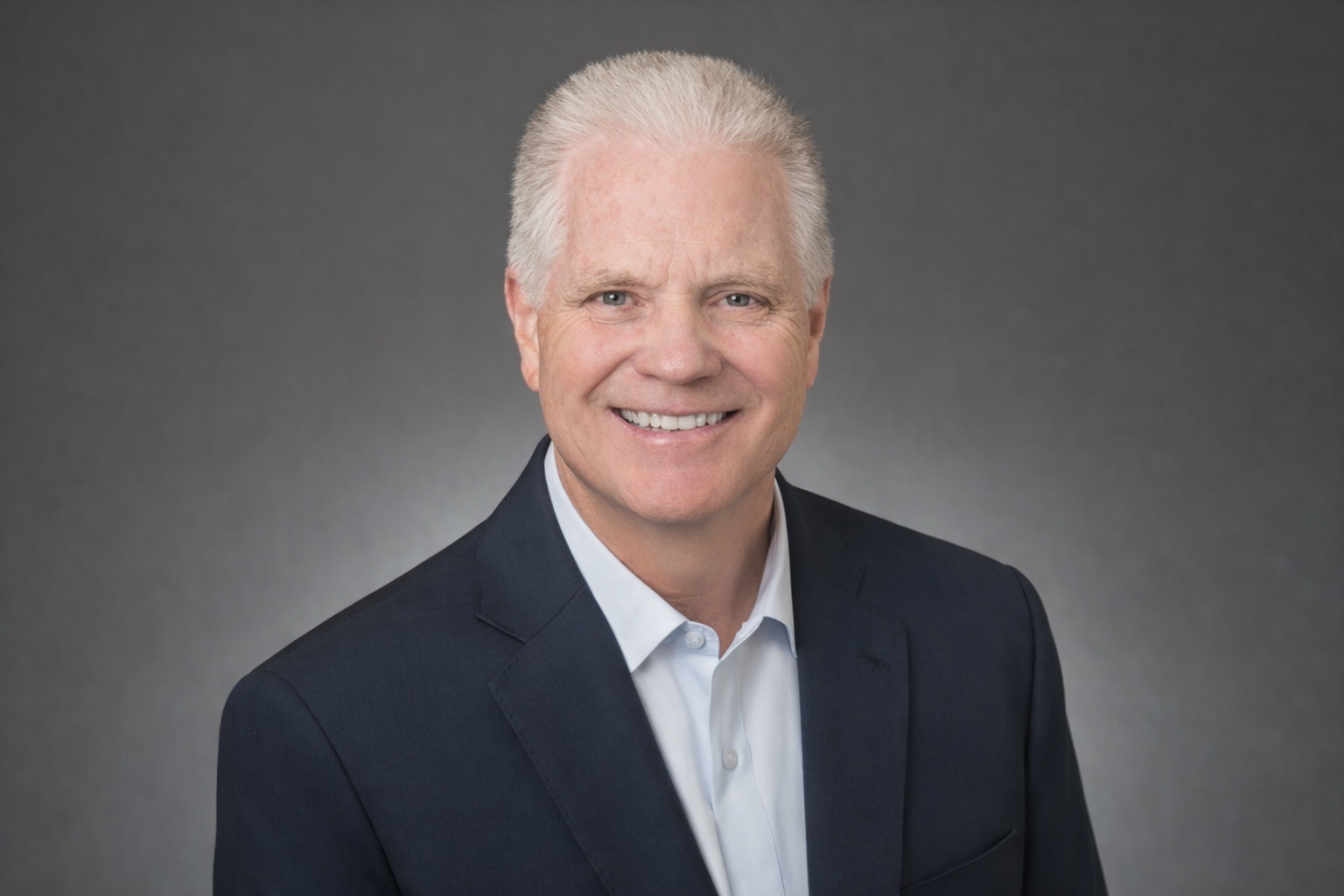
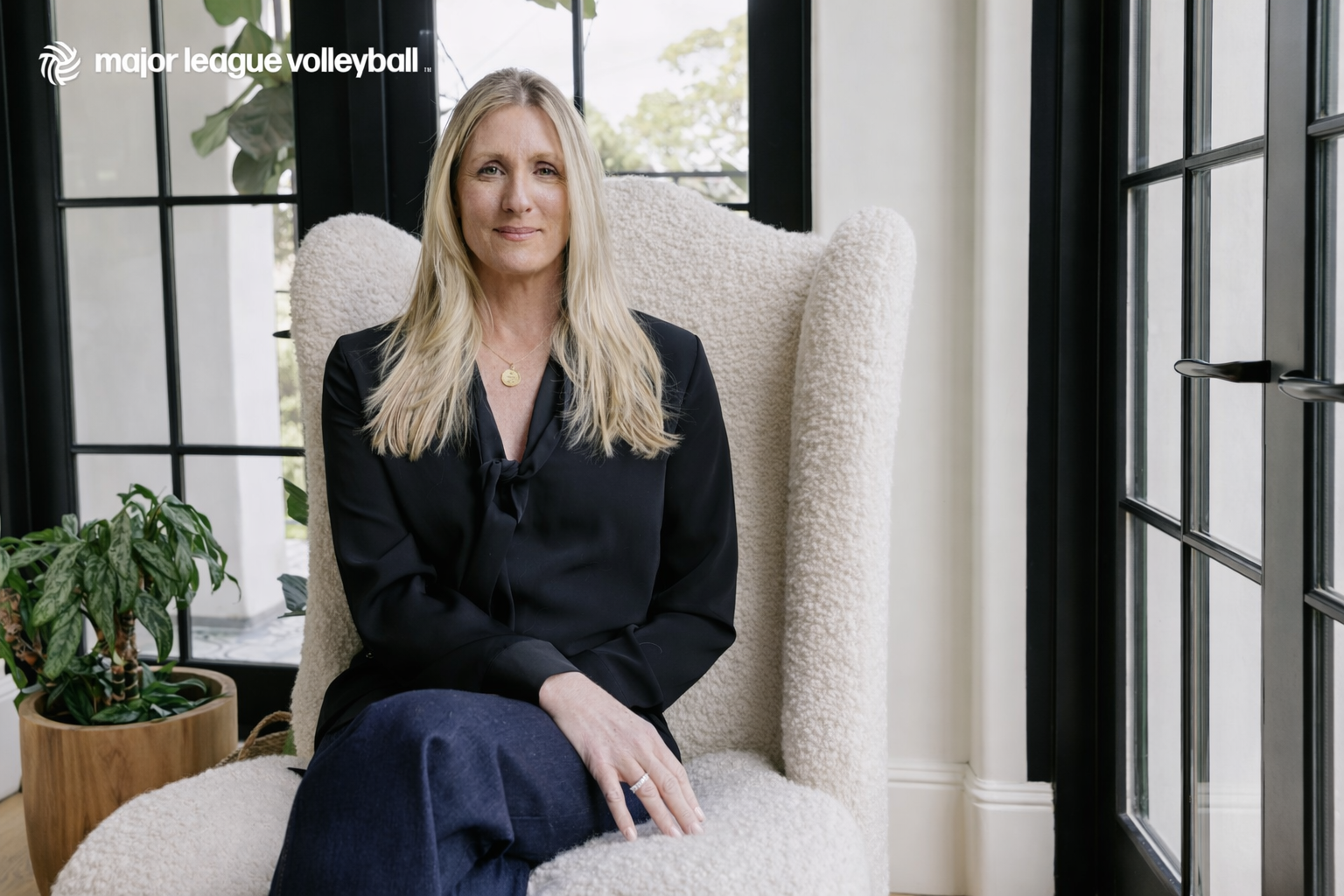
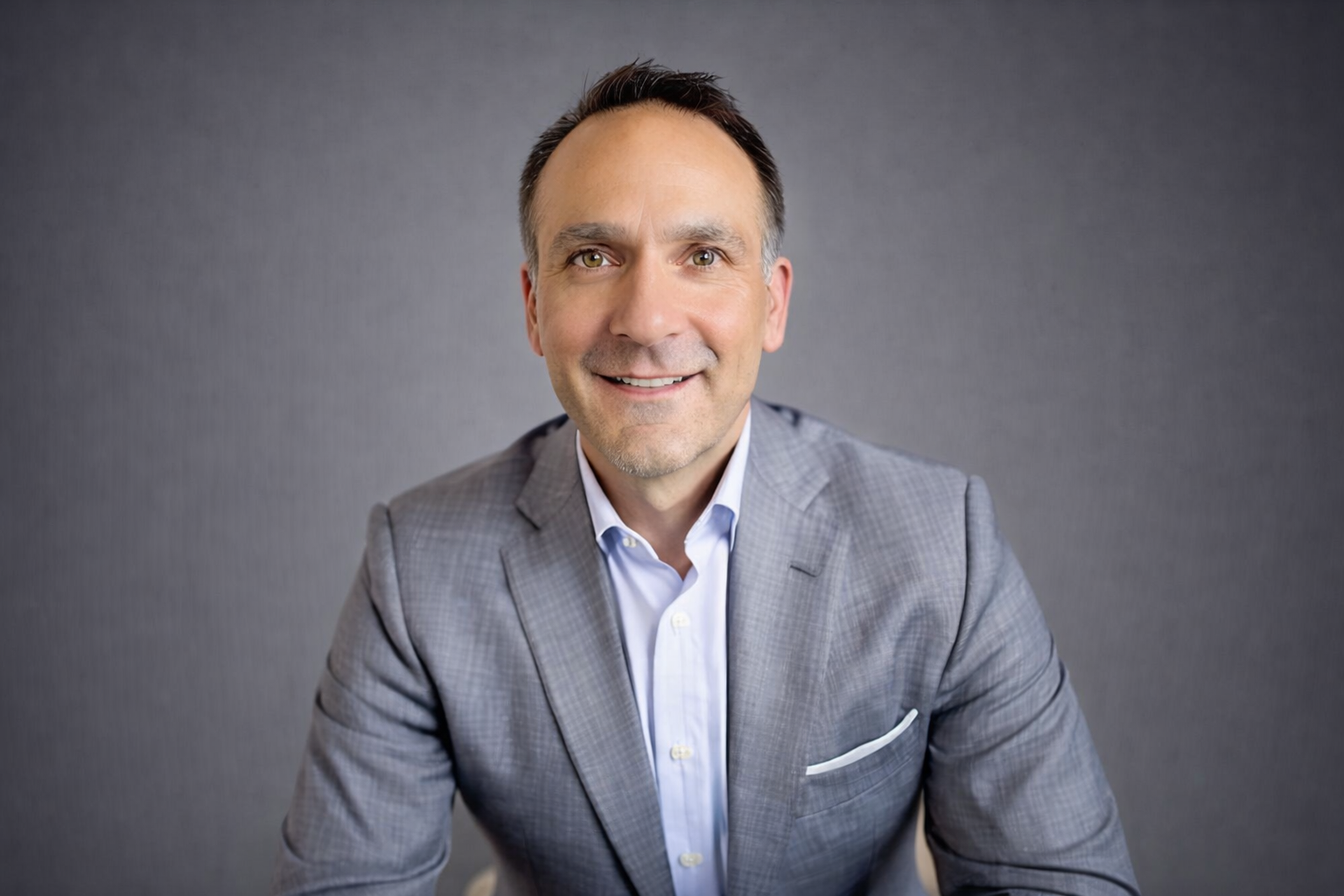
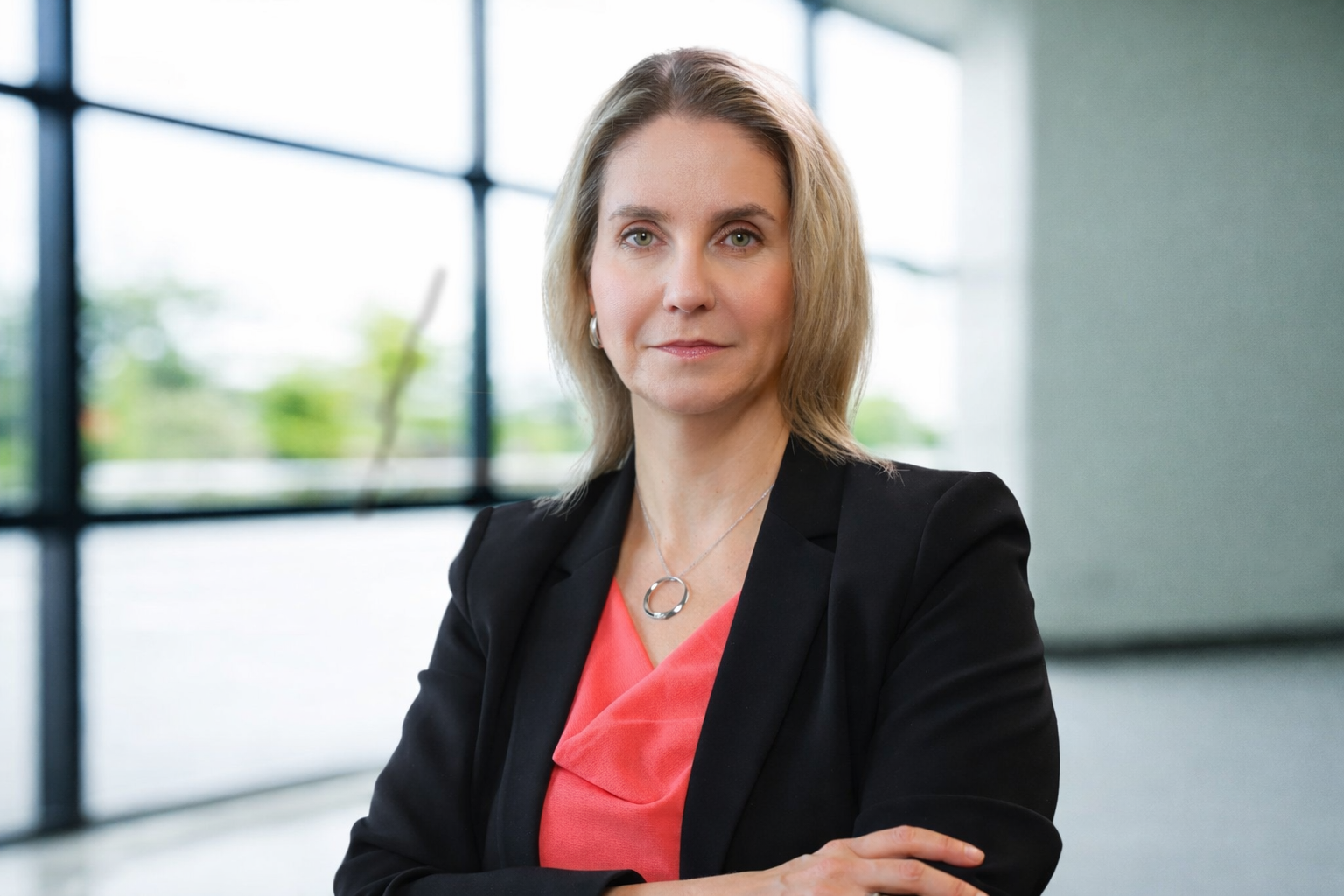
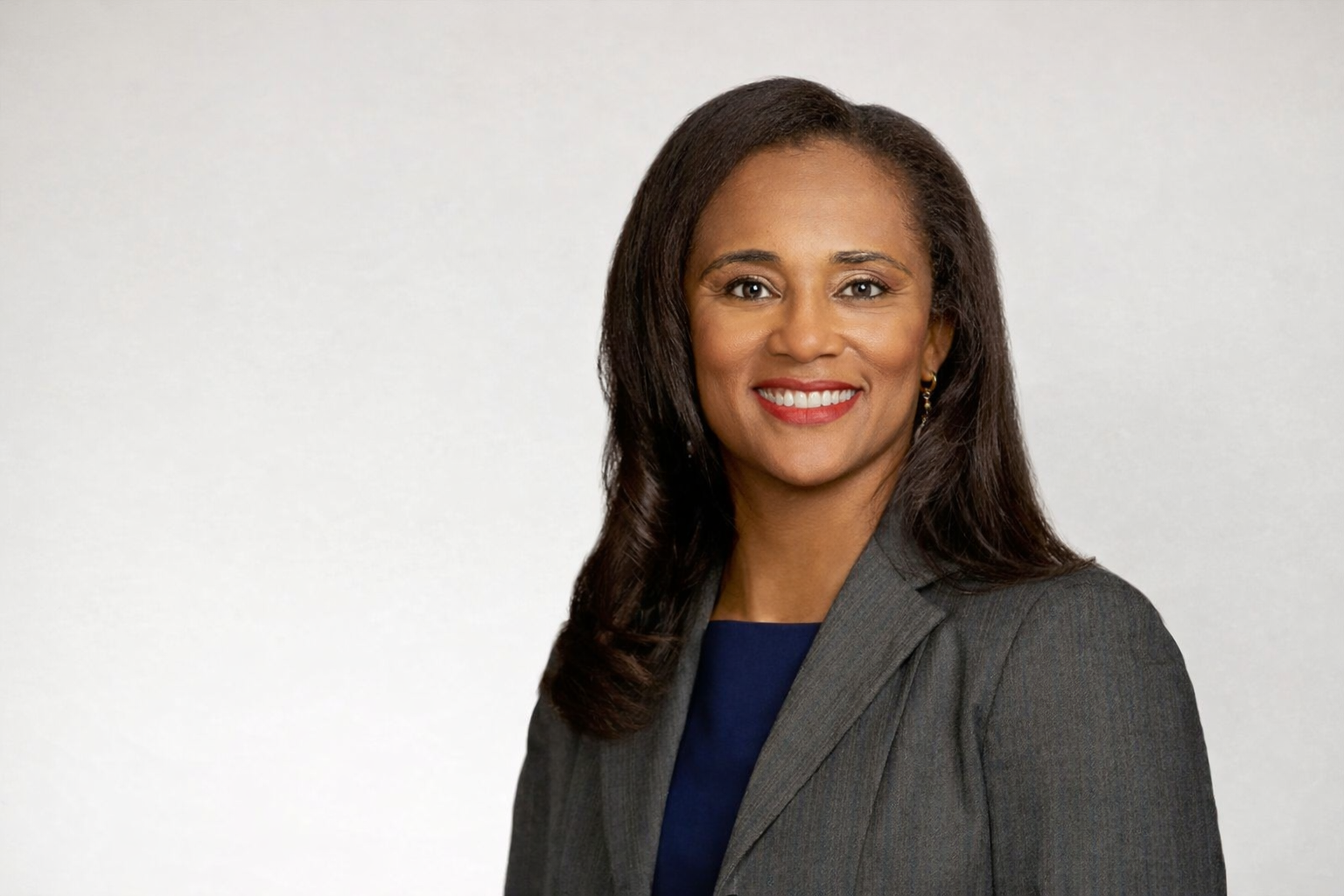
Cresset has named Susie Cranston as its next chief executive officer, formalizing a leadership transition at the Chicago-based multi-family office that serves ultra-high-net-worth clients. Cranston, who has been the firm’s president since 2024, will assume the CEO role in April while co-founders Avy Stein and Eric Becker remain involved as executive co-chairmen.
The appointment reflects an evolution in the firm’s governance structure rather than a dramatic shift in direction. Cresset’s founders will continue shaping strategy and client relationships, while Cranston takes responsibility for overseeing daily operations and guiding the organization through its next stage of development.
In wealth management, leadership transitions often carry significance beyond internal titles. Firms that advise wealthy families across generations must balance entrepreneurial growth with long-term stability, particularly as assets move through complex family structures and evolving regulatory landscapes.
Cresset operates within the growing multi-family office sector, which has expanded rapidly as affluent families seek alternatives to traditional private banking. These firms combine investment management with planning services that address everything from estate strategies to philanthropy and business succession.
Cranston’s background reflects the interdisciplinary nature of the field. Before joining Cresset, she held senior leadership roles at financial institutions including First Republic Bank and JPMorgan Chase, as well as consulting experience at McKinsey & Company.
Her appointment also highlights the increasing professionalization of family-office style advisory firms. As the industry expands, many organizations are moving toward more formal governance structures and clearer leadership succession plans designed to support decades-long client relationships.
Since becoming president, Cranston has helped oversee operational initiatives, acquisitions, and talent development while working alongside the founders and the executive leadership team. The company says these efforts were aimed at strengthening the firm’s platform while maintaining its emphasis on serving families with complex financial needs.
The founders have described Cresset’s long-term ambition as building a wealth advisory firm designed to endure for more than a century. In that context, the leadership shift can be seen as part of a broader attempt to ensure continuity while adapting to the changing expectations of wealthy clients and the evolving wealth management landscape.
As wealth management continues to evolve alongside global markets and generational wealth transfers, leadership decisions like this one often shape how advisory firms position themselves for the decades ahead.