As renewable adoption accelerates, Sungrow’s latest technologies reflect a growing need to stabilize power systems while improving efficiency, highlighting the next phase of Australia’s energy transition.
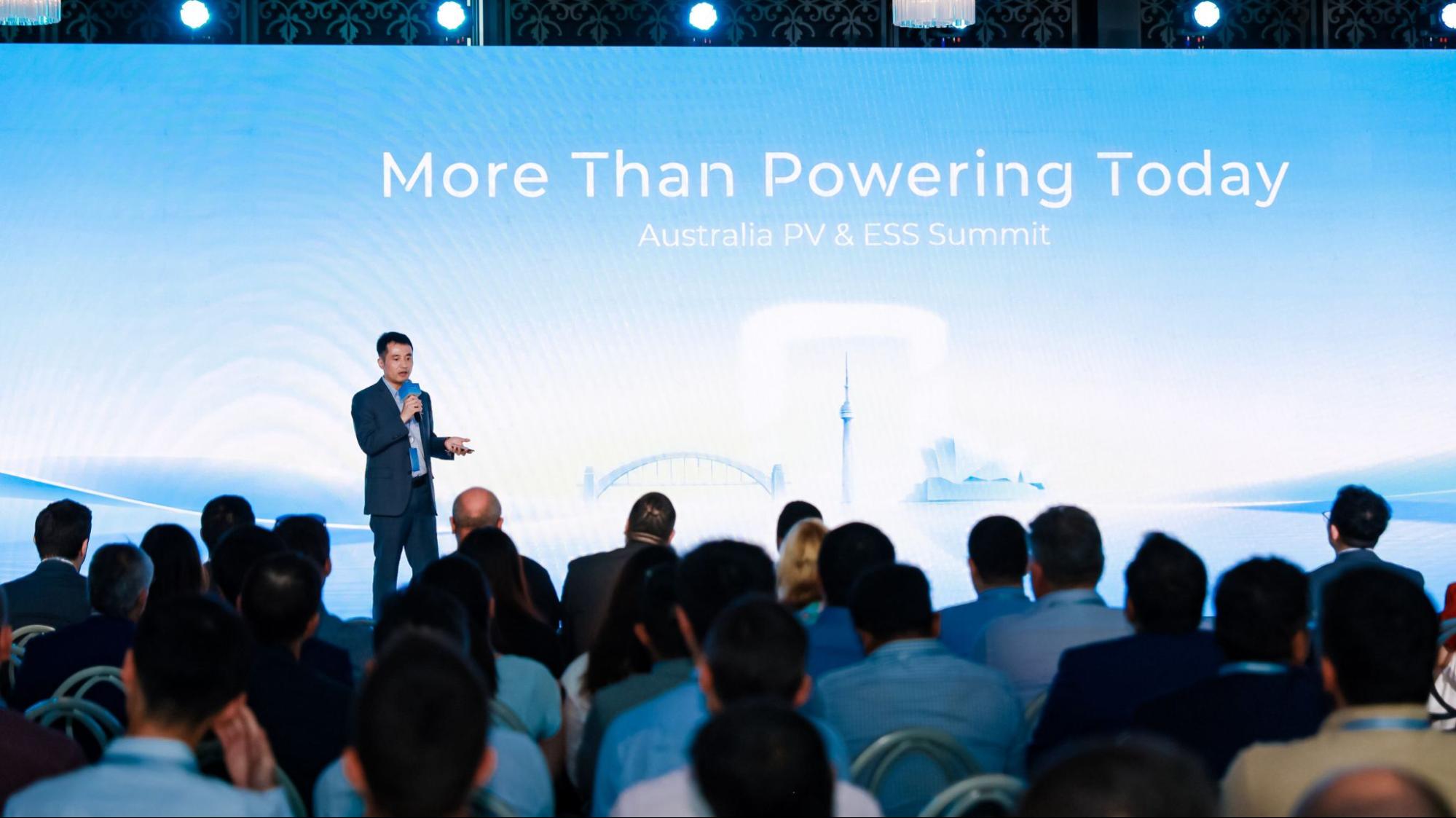
Sungrow introduced new energy storage and solar integration technologies at its Sydney summit, positioning them as responses to Australia’s rapidly evolving power landscape. The company’s updates come as large-scale renewable deployment places increasing strain on grid stability and infrastructure.
Australia’s energy transition has been driven by policy incentives and investor interest, but it has also exposed technical challenges. Developers are contending with issues such as voltage instability, grid connection delays, and rising requirements for systems that can actively support grid performance rather than simply supply power.
Sungrow’s PowerTitan 3.0 system is designed with these constraints in mind, focusing on utility-scale battery storage capable of operating in weaker grid conditions. Its architecture emphasizes higher efficiency, faster deployment, and adaptability, suggesting that energy storage is becoming as much about grid management as energy supply.
Alongside this, the company highlighted hybrid systems that combine solar generation and battery storage into a single platform. By integrating these components more tightly, such systems aim to improve overall efficiency and reduce costs, while offering greater flexibility in how energy is generated, stored, and dispatched.
A key theme emerging from the summit is the growing importance of grid-forming technology, which allows energy systems to actively stabilize frequency and voltage. As renewable penetration increases, these capabilities are becoming critical to maintaining reliability in power networks that rely less on traditional, centralized generation.
The broader implication is that energy storage is no longer a supporting technology but a central pillar of modern power systems. As countries like Australia push toward higher shares of renewable energy, the role of batteries is expanding from backup capacity to active participation in grid operations.
At the same time, the complexity of deploying these systems remains a challenge, with regulatory processes and technical requirements continuing to shape project timelines. The success of new technologies will depend not only on performance but also on how effectively they integrate into existing infrastructure.
Sungrow’s latest announcements illustrate how the focus of the energy transition is shifting. Beyond adding renewable capacity, the challenge now lies in building systems that can manage variability, maintain stability, and deliver consistent performance at scale.