The website platform’s new financial account signals a broader trend among digital business tools: blending commerce, payments, and banking services into unified systems for entrepreneurs.
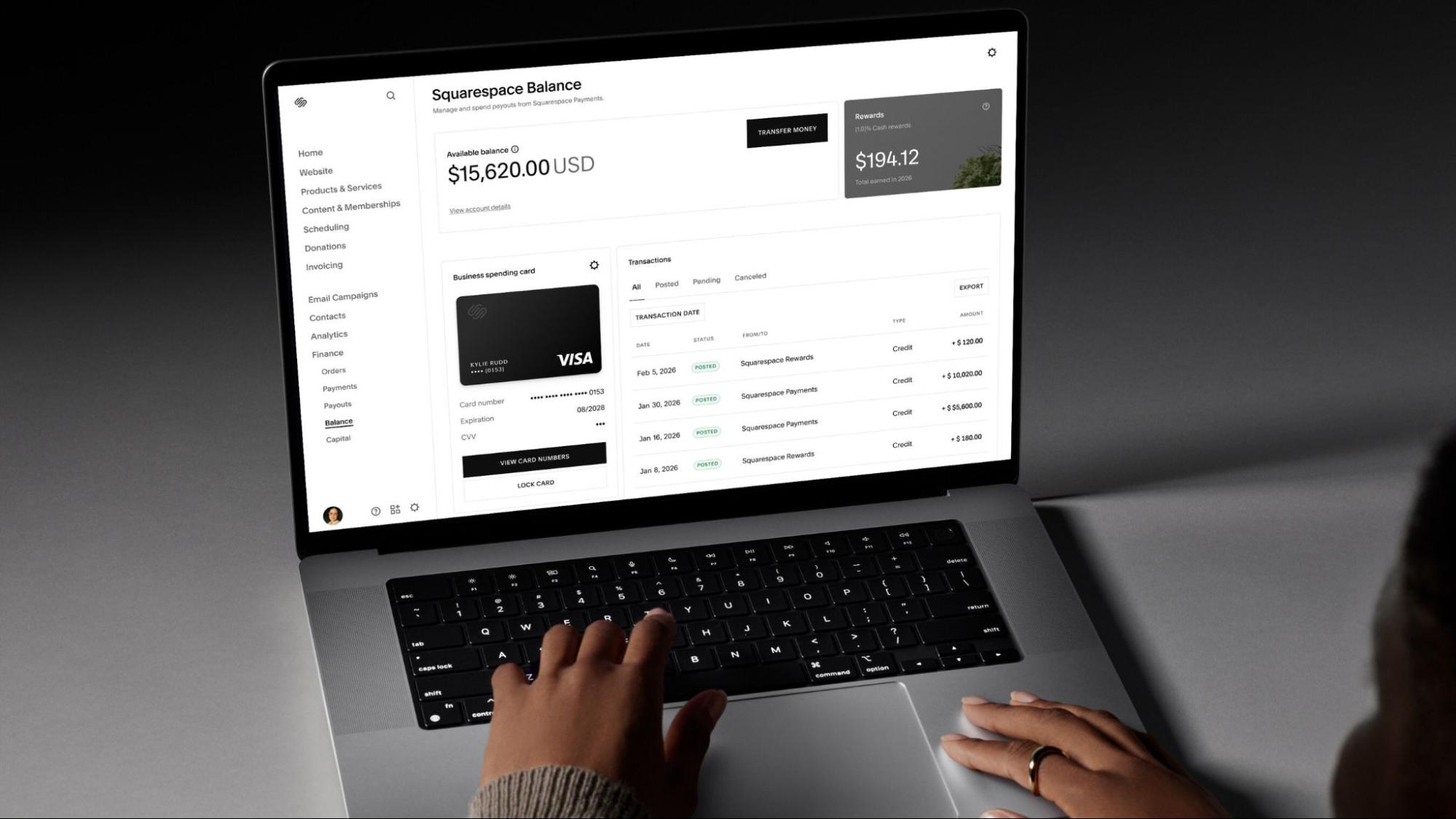
Squarespace has introduced Squarespace Balance, a financial account designed to help entrepreneurs manage revenue, spending, and payments within the company’s platform. The launch reflects the company’s ongoing effort to expand beyond website creation and e-commerce tools into services that support the financial side of running a business.
For many small business owners, managing online sales involves juggling multiple systems—website platforms, payment processors, bank accounts, and expense tools. By integrating a financial account directly into its ecosystem, Squarespace is attempting to reduce that complexity and give merchants a single place to track incoming payments, manage cash flow, and make business purchases.
The move also places Squarespace within a broader shift toward what some analysts call “embedded finance.” Technology companies that originally built software for specific industries—such as retail, restaurants, or creative businesses—are increasingly adding financial services that allow users to store funds, access financing, or issue payment cards without leaving the platform.
Squarespace has been gradually building toward this model in recent years. The company launched its own payment processing system in 2023 and later introduced financing tools intended to help eligible merchants fund growth or manage short-term expenses.
The new Balance account connects directly to those existing features, allowing users to receive payouts from online sales and manage business spending through a linked Visa card. The goal, according to the company, is to make financial management feel like a natural extension of operating an online storefront rather than a separate administrative task.
This kind of consolidation reflects a changing landscape for digital entrepreneurship. As more individuals and small teams build businesses through online platforms, the tools they rely on are evolving from simple website builders into broader operational ecosystems that combine commerce, payments, and financial management.
Whether such platforms can truly simplify the financial lives of entrepreneurs remains an open question. But the direction is clear: companies that once focused on helping businesses appear online are now trying to become the infrastructure that supports how those businesses operate day to day.