Samsung’s latest experiment in live broadcasting suggests a shift in how sports are filmed, with mobile devices beginning to complement traditional cameras by capturing angles once difficult to reach.
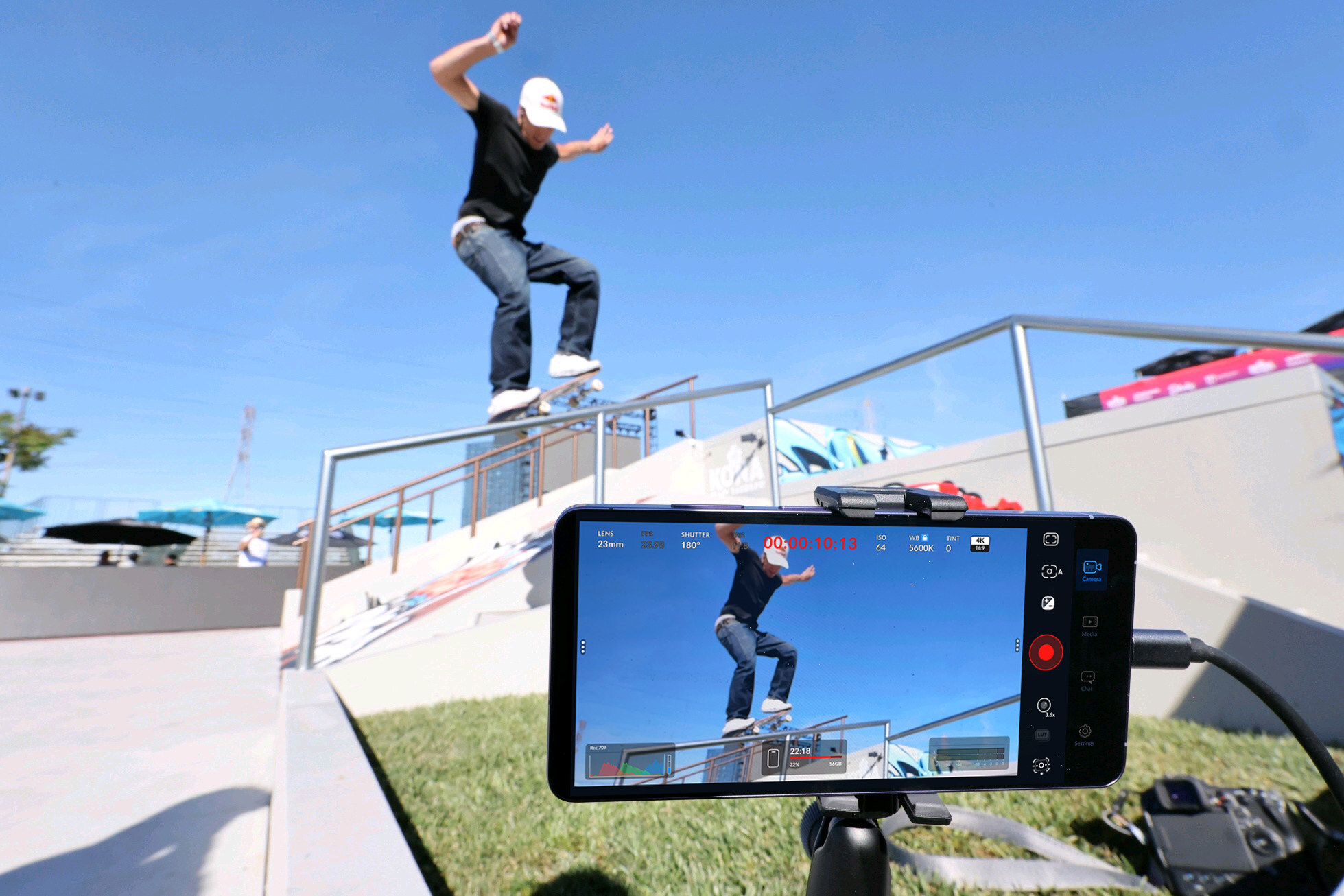
Samsung Electronics has begun integrating its Galaxy S26 Ultra into live sports production, using the device to film professional skateboarding events as part of its partnership with Street League Skateboarding. Rather than operating as a secondary tool, the smartphone is embedded directly into the course, capturing footage from positions that conventional broadcast cameras typically cannot access.
This approach reflects a broader evolution in sports broadcasting, where proximity and perspective are becoming as important as image quality. By placing cameras within rails, ledges, and other course features, producers can offer viewers a more immersive sense of motion and technique. For sports like skateboarding, where subtle movements define performance, these angles can reveal details that are often lost in traditional wide shots.
The use of smartphones in this context also highlights how mobile technology is closing the gap with professional equipment. Advances in stabilization, processing, and low-light performance have made it possible for compact devices to operate within live production environments. At the same time, their size and flexibility allow for creative placements that would be impractical or unsafe for larger cameras.
Samsung has previously tested similar concepts in large-scale events, including global sporting ceremonies, suggesting that this is part of a longer-term strategy rather than a one-off experiment. As these tools become more integrated into production workflows, they may change not only how events are captured but also how they are edited and distributed in real time.
There are, however, limits to how far this transition can go. Traditional broadcast systems still offer advantages in consistency, control, and scale, particularly for major events with complex production demands. Mobile devices are more likely to complement rather than replace these systems, adding new layers of visual storytelling rather than redefining the entire process.
Samsung’s latest deployment points to a future where the distinction between consumer and professional imaging tools continues to blur. As technology advances, the question may shift from what devices are used to how effectively they expand the viewer’s experience of the action itself.