The funding round underscores a growing effort to rethink vehicle manufacturing, as companies explore simpler designs, domestic production, and customization to address rising costs in the auto market
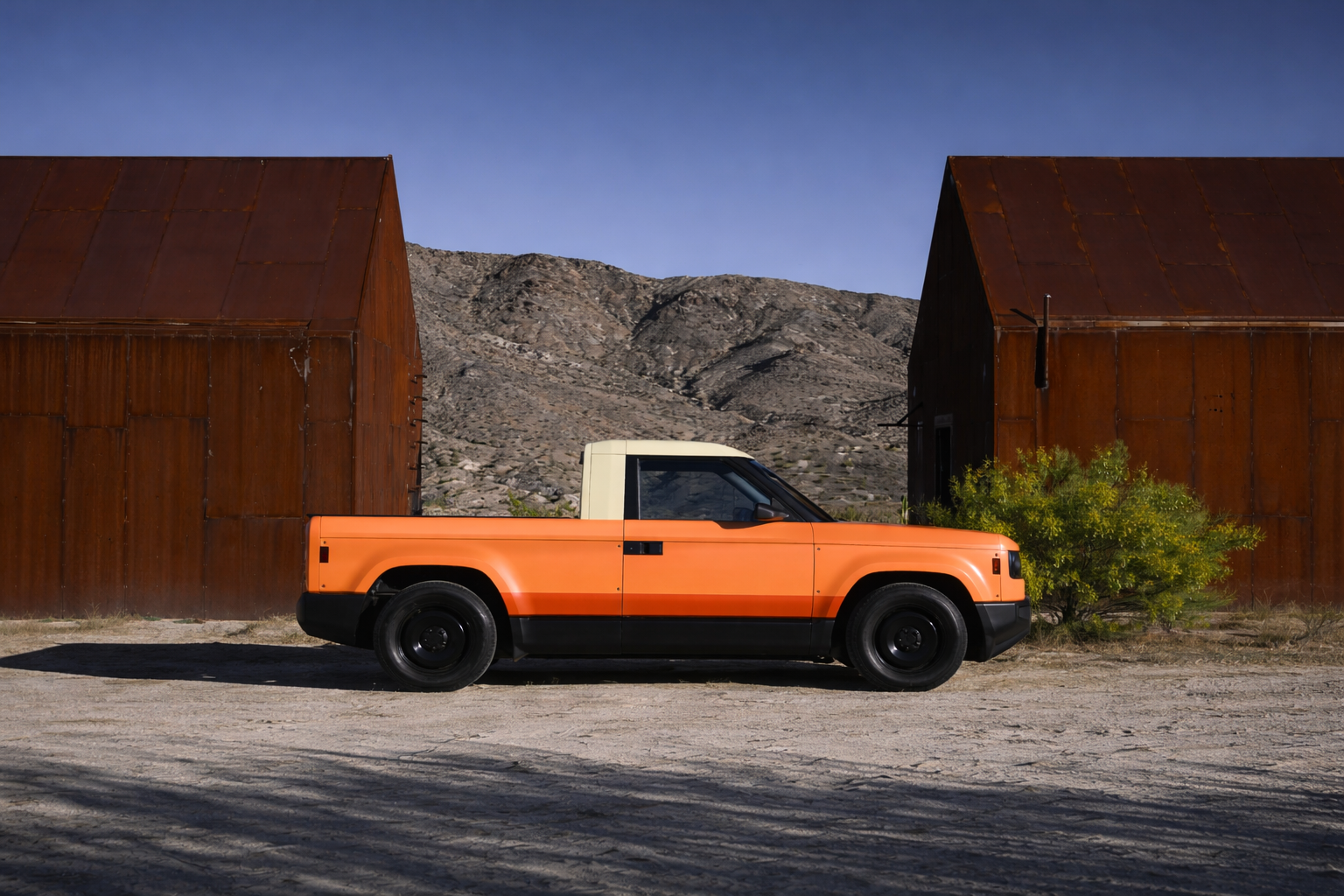
Slate Auto has raised $650 million in a Series C round, positioning the company to move closer to production of its first vehicles later this year. With more than 160,000 reservations already placed, Slate Auto is entering a critical phase where its ideas about affordability and manufacturing will be tested against real-world demand.
The company’s approach centers on simplifying how vehicles are built and sold. Rather than offering multiple configurations at the factory level, Slate plans to produce a single base model that customers can customize after purchase. This model challenges long-standing industry practices, where complexity in manufacturing has often driven up costs and extended production timelines.
Affordability is a key part of the strategy. Slate has indicated that its truck will be priced in the mid-$20,000 range, significantly below the average cost of a new vehicle in the United States. Achieving that target will depend not only on design decisions but also on operational efficiency, particularly as the company prepares to manufacture vehicles at a reindustrialized facility in Indiana.
The emphasis on domestic production reflects a broader shift in the automotive sector. Companies are increasingly exploring localized manufacturing to reduce supply chain risks and align with policy incentives tied to domestic investment. Slate’s planned investment in its Warsaw, Indiana facility, along with projected job creation, situates the company within this wider movement toward rebuilding industrial capacity.
At the same time, Slate’s reliance on external service networks and widespread charging infrastructure points to a more distributed model of vehicle ownership and maintenance. By partnering with existing service providers and leveraging established charging networks, the company avoids building large-scale support systems from scratch.
Taken together, Slate’s funding round highlights an attempt to reframe what an electric vehicle company can be. The success of this approach will depend on whether simplified production and post-purchase customization can deliver both lower costs and a compelling ownership experience in an increasingly competitive market.