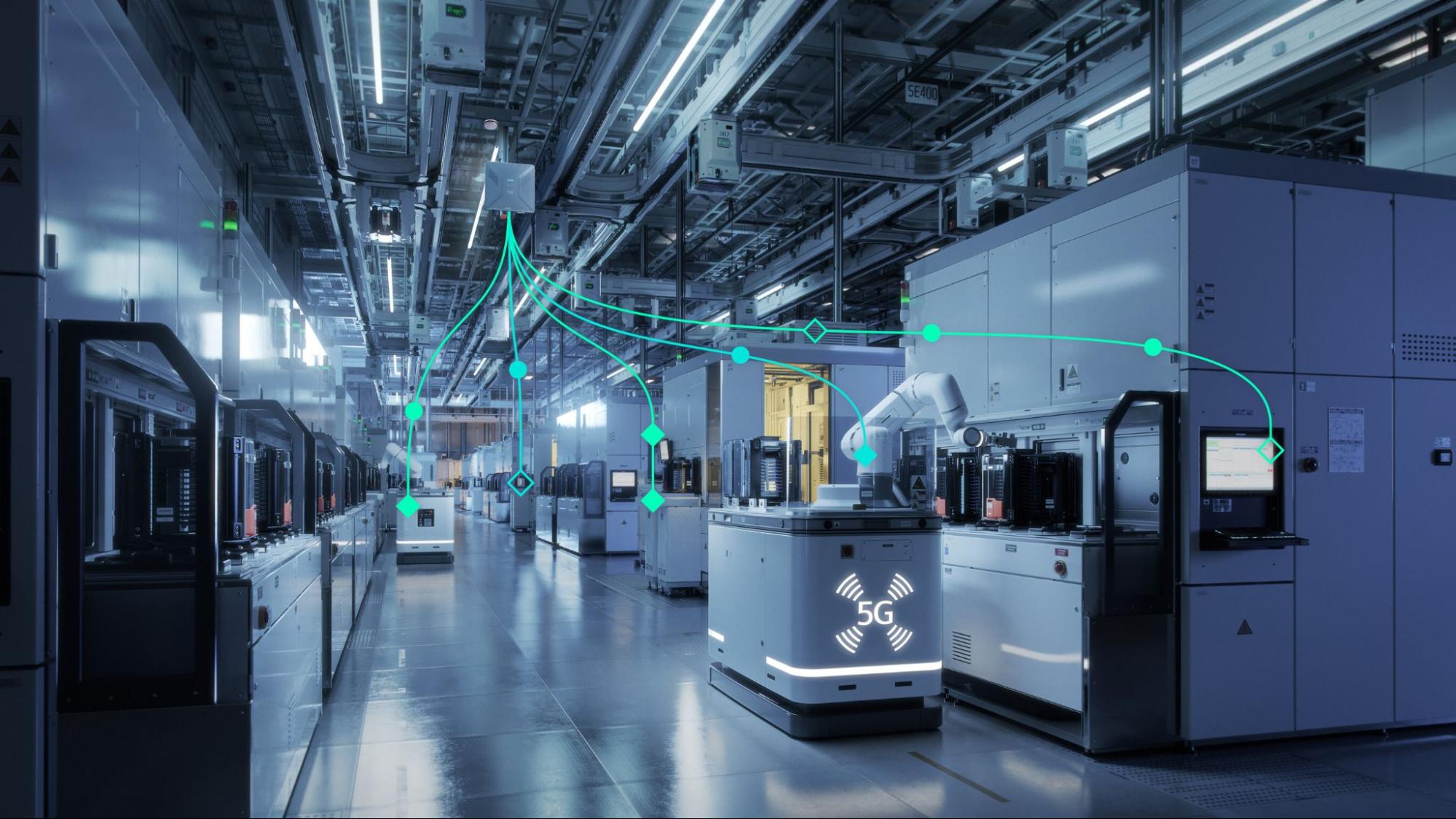
At MWC 2026, Siemens introduced a cybersecurity solution developed with Palo Alto Networks to protect private industrial 5G systems—an increasingly vital infrastructure for factories powered by data, automation, and AI.
Siemens announced a new cybersecurity framework for industrial private 5G networks developed in collaboration with Palo Alto Networks, reflecting the growing importance of secure wireless infrastructure in modern manufacturing. The solution combines Siemens’ private 5G technology with Palo Alto Networks’ firewall platform to create an integrated system designed specifically for industrial environments.
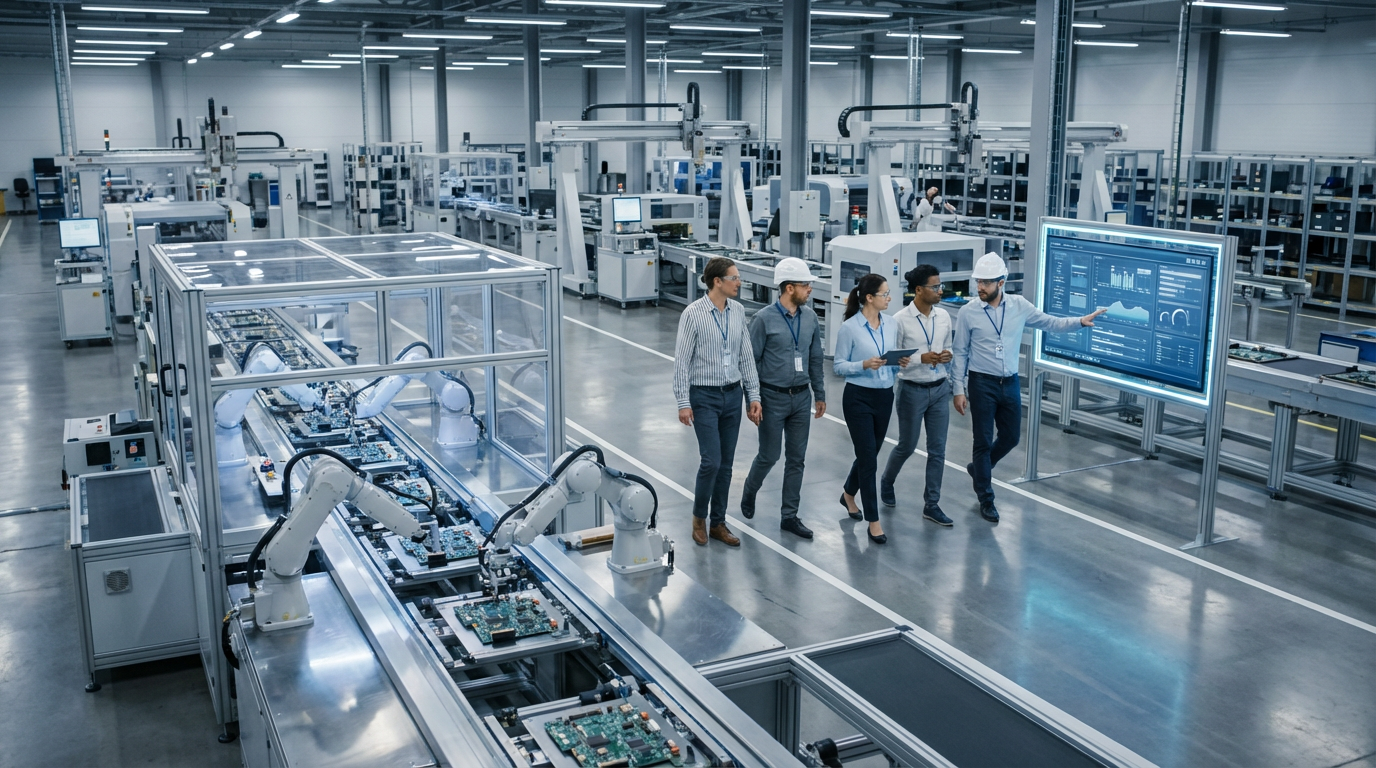
As factories become more connected, the number of devices operating on industrial networks continues to expand. Sensors, mobile robots, automated vehicles, and other connected equipment rely on real-time wireless communication, making private 5G networks an increasingly attractive option for manufacturers seeking reliable, high-speed connectivity within their facilities.
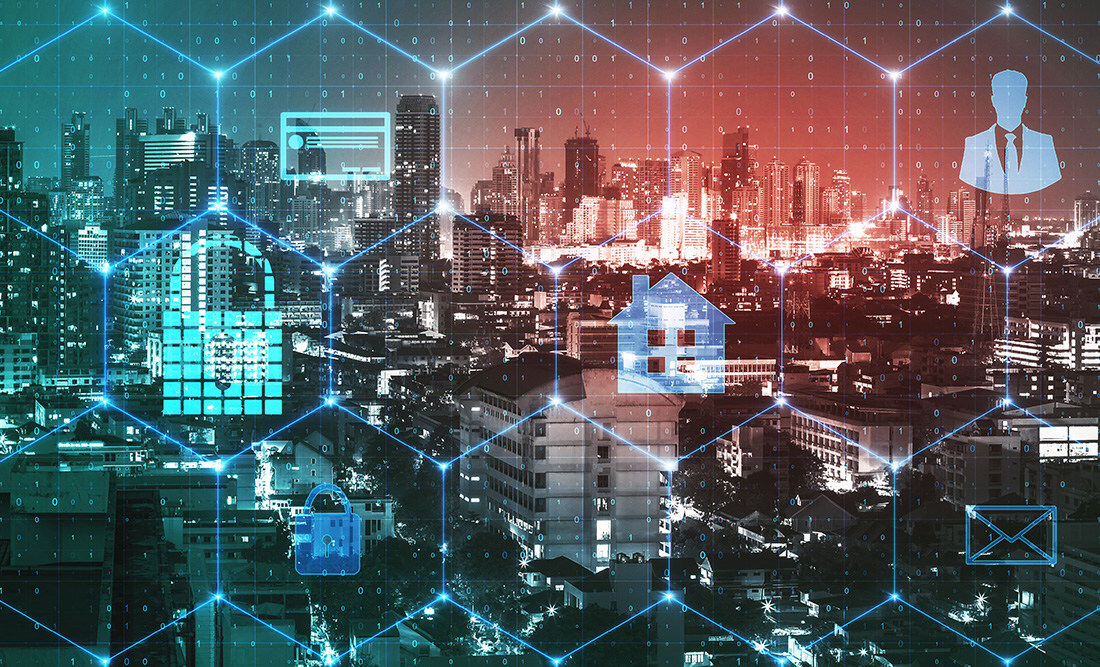
Yet the same connectivity that powers smart factories also introduces new security risks. Cyberattacks targeting industrial systems can halt production lines, compromise sensitive operational data, or even threaten worker safety. At the same time, regulations such as the European Union’s NIS2 directive and security frameworks like IEC 62443 are raising expectations for how industrial networks must be protected.
The joint solution developed by Siemens and Palo Alto Networks attempts to address these challenges through a combination of technologies. Siemens provides the private 5G infrastructure and monitoring tools, while Palo Alto Networks contributes firewall technology designed to analyze and secure operational technology traffic without slowing down real-time industrial processes.
A key element of the system is continuous monitoring that can identify unusual network behavior, such as unauthorized devices or unexpected communication patterns, while production remains active. Because industrial environments require extremely low latency for tasks like robotic control or automated assembly, cybersecurity tools must operate without introducing delays.
The collaboration highlights how cybersecurity is evolving alongside the rapid digitalization of manufacturing. Industrial networks once operated in isolation, but today’s factories increasingly connect machines, analytics systems, and cloud services through wireless infrastructure.
For technology providers, securing those networks has become a central challenge of the so-called Industry 5.0 era, where artificial intelligence, robotics, and human operators interact in highly automated environments. Solutions like the one presented by Siemens suggest that the future of industrial connectivity will depend not only on faster networks, but on systems designed to defend them from threats while keeping production running smoothly.