Founders Row’s investment signals a longer-term bet on founder-led wellness brands, as SculptHouse looks to expand carefully after pandemic-era contraction and a decade of refining its model.
Founders Row has announced an investment in Atlanta-based SculptHouse, creating a partnership aimed at supporting the next phase of growth for founder Katherine Mason’s boutique fitness brand. SculptHouse, founded in 2016, built its early identity around a distinct blend of low-impact strength and cardio training, while treating retail and aesthetics as part of the studio experience rather than an afterthought.
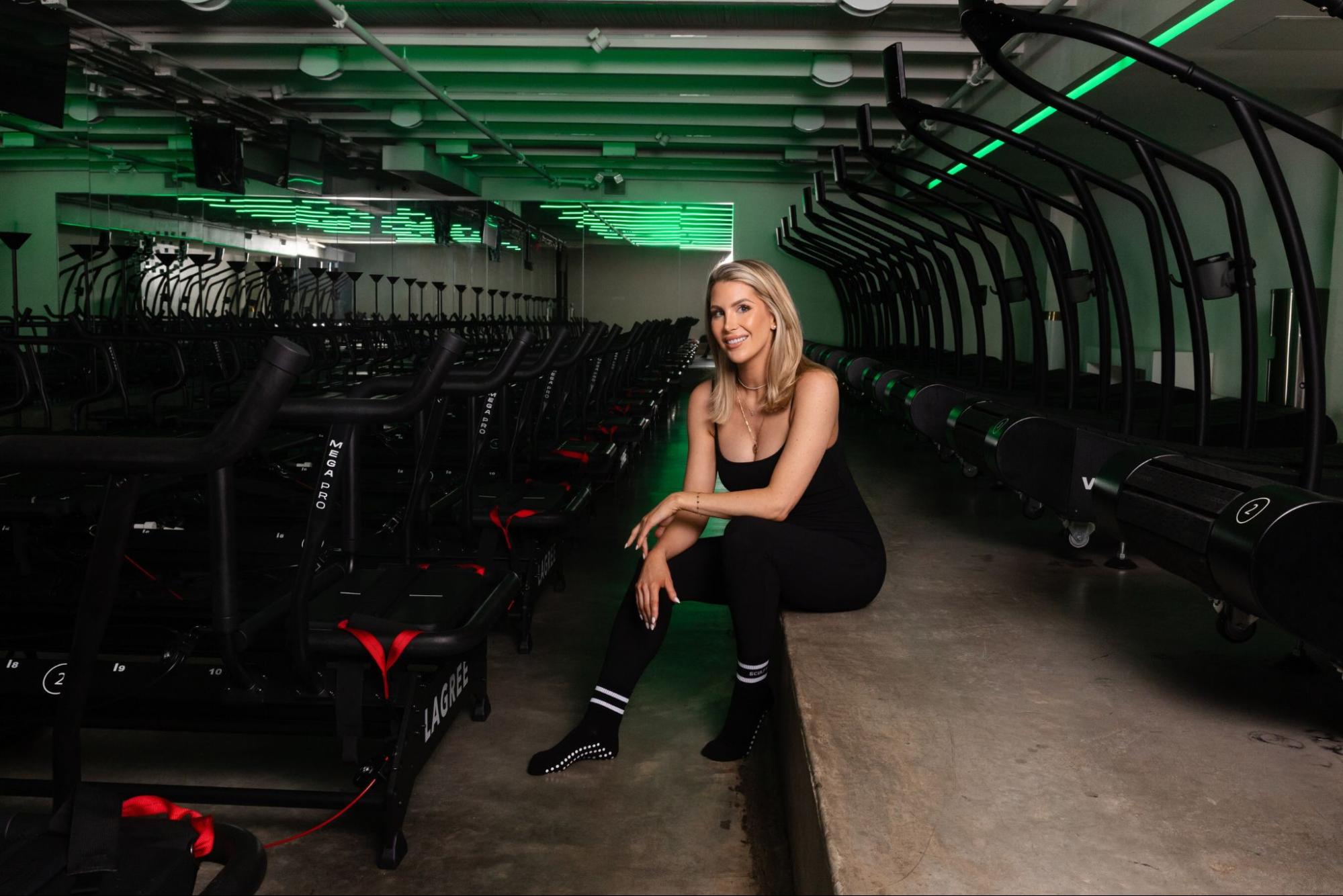
At the core of the brand is its CardioSculpt® Method, described as the first group class format to combine the Megaformer and treadmill. SculptHouse also differentiated itself by integrating a full activewear and lifestyle boutique directly into its studio locations, a move that reflects how modern fitness businesses increasingly operate as hybrid retail and community platforms, not just workout providers.
The company’s trajectory, however, has not been linear. Like many founder-led wellness concepts, SculptHouse expanded quickly before facing major disruption during the pandemic, ultimately closing three of its five locations. What remained was a more focused footprint—studios in Atlanta and Dallas—along with a national instructor certification platform through Lagree Fitness and a growing retail business, both of which Mason positioned as stabilizing extensions of the brand.
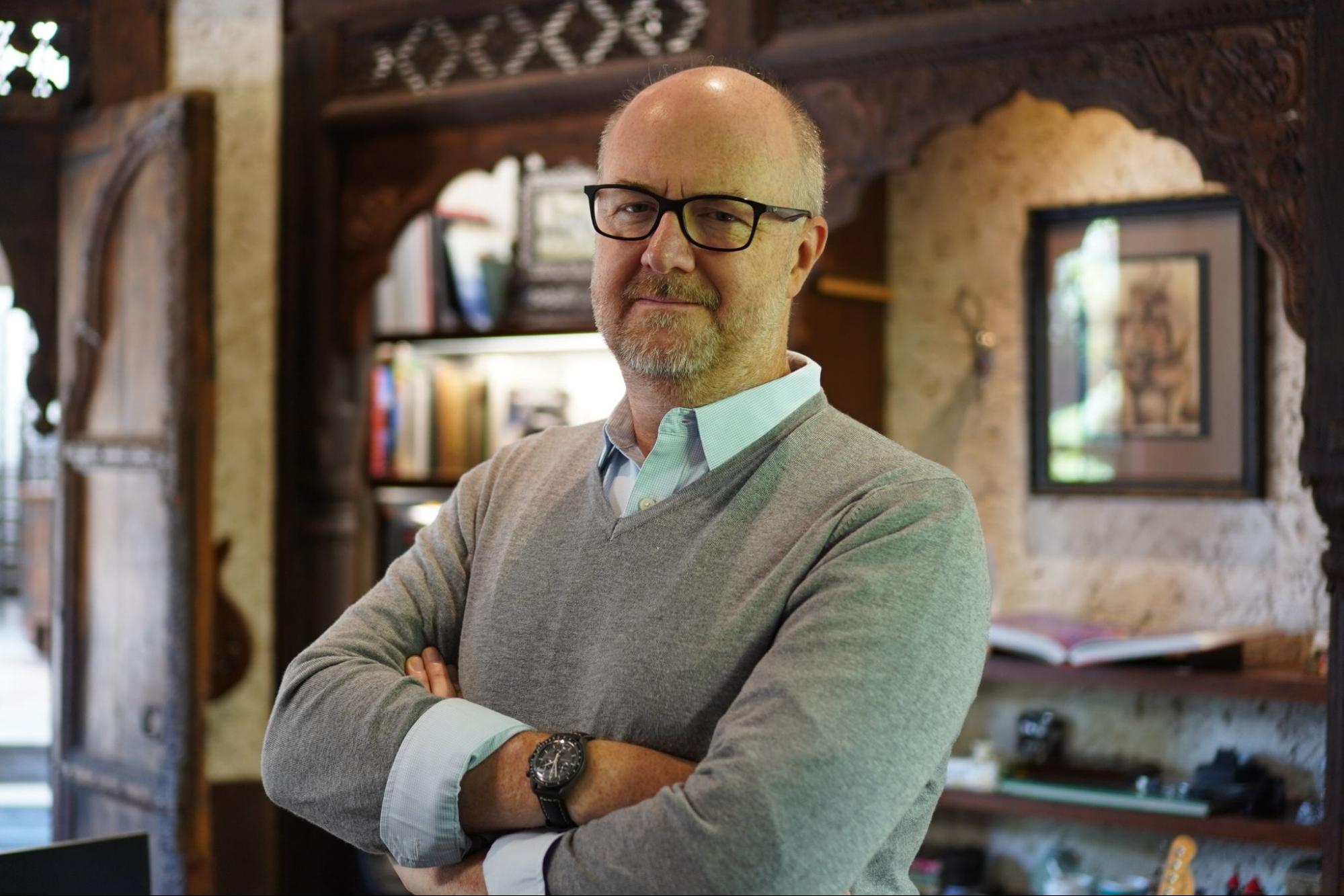
Founders Row, led by wellness operator Jamie Weeks, enters the picture with a background in scaling fitness concepts, including experience as a major Orangetheory Fitness franchisee and the founder of Sweathouz. The partnership reflects a broader shift in the wellness sector: investors are increasingly drawn to brands that have already been stress-tested, rather than concepts built purely on hype-driven expansion. In SculptHouse’s case, its survival and restructuring after contraction may now be part of its appeal.
The companies say they are targeting expansion into major markets, with locations under consideration including Midtown Atlanta, South Florida, Charlotte, Dallas, Nashville, and Boston. While the announcement includes the language of growth, the emphasis appears to be on selective, community-driven scaling rather than rapid rollout.
For boutique fitness, which has cycled through waves of aggressive expansion and correction over the past decade, this partnership highlights an emerging middle ground. The next era may reward brands that can prove durability, maintain differentiation, and grow without losing the founder-led identity that made them viable in the first place.