As connected devices become more interoperable, security systems are evolving from passive monitoring tools into active participants in broader smart home ecosystems
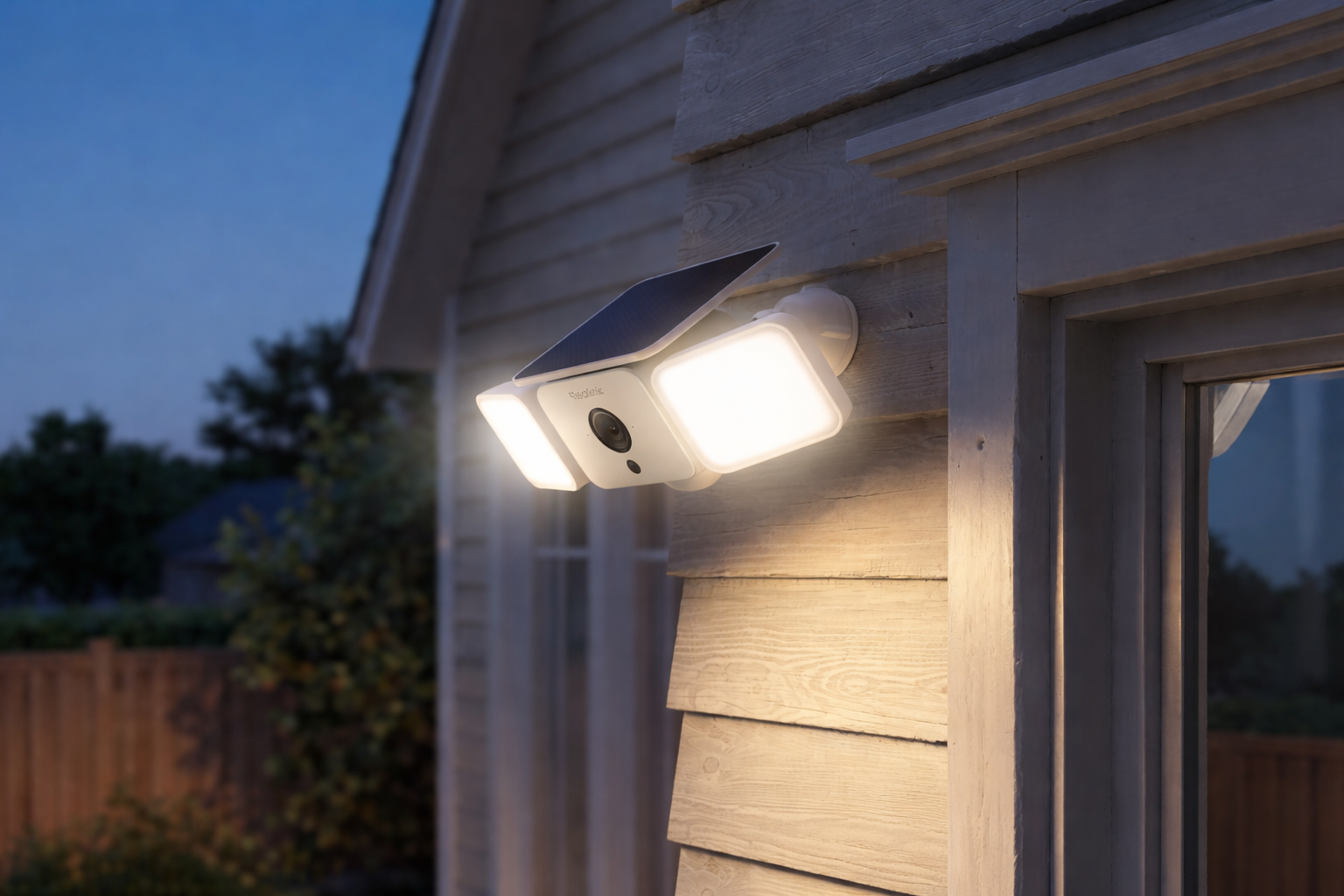
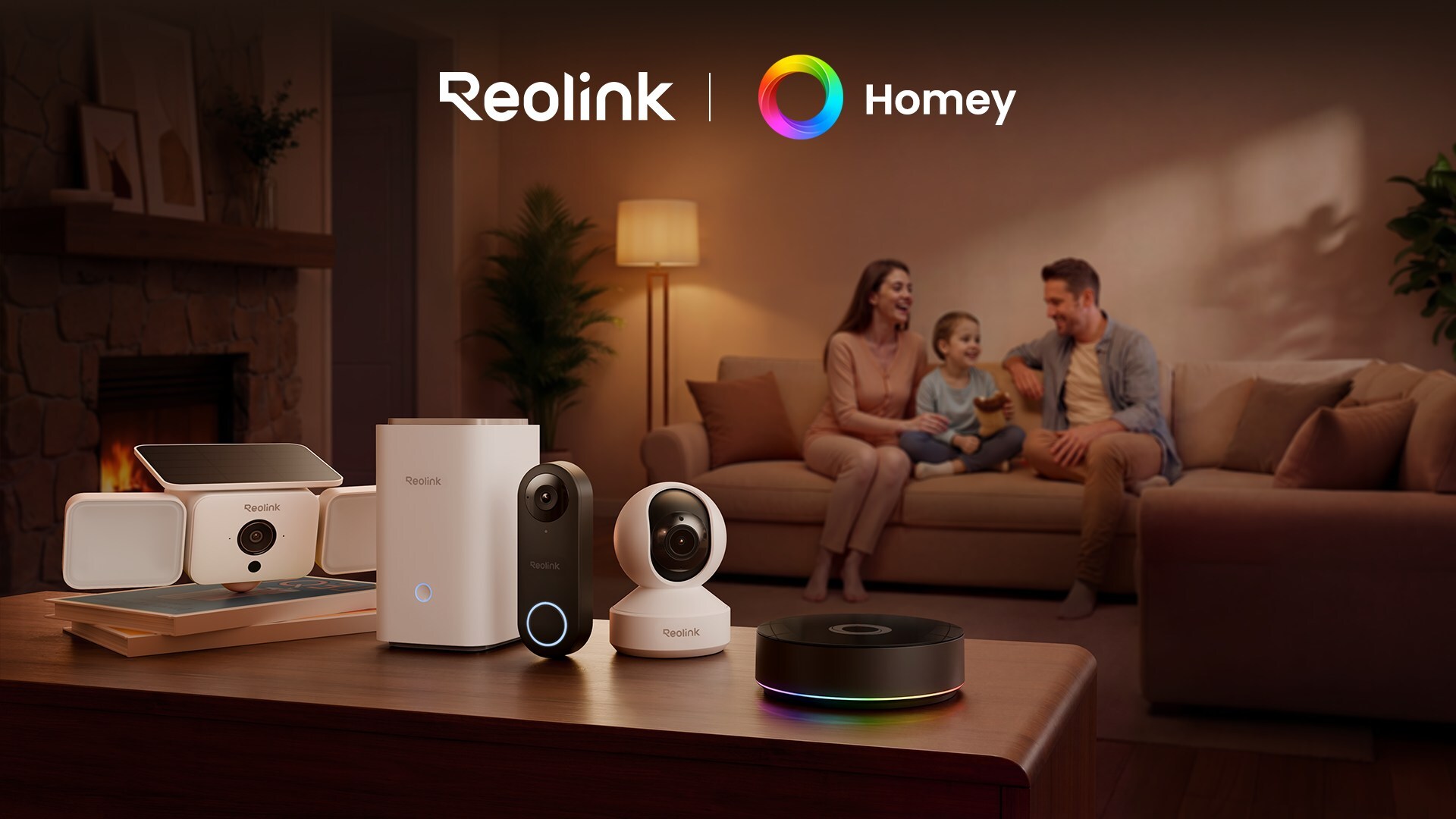
Reolink Innovation Inc. has announced an integration with Homey, a smart home platform developed by Athom, that reflects a growing shift in how connected devices function within the home. Rather than operating as standalone systems, security cameras are increasingly being positioned as central inputs in a wider network of automated responses.
The integration allows Reolink cameras to trigger Homey’s automation sequences, known as “Flows,” based on detected activity. This means that events such as identifying a person or motion can prompt actions across other connected devices, including lighting, locks, or climate controls. In effect, cameras move beyond surveillance to become sensors that influence how a home reacts in real time.
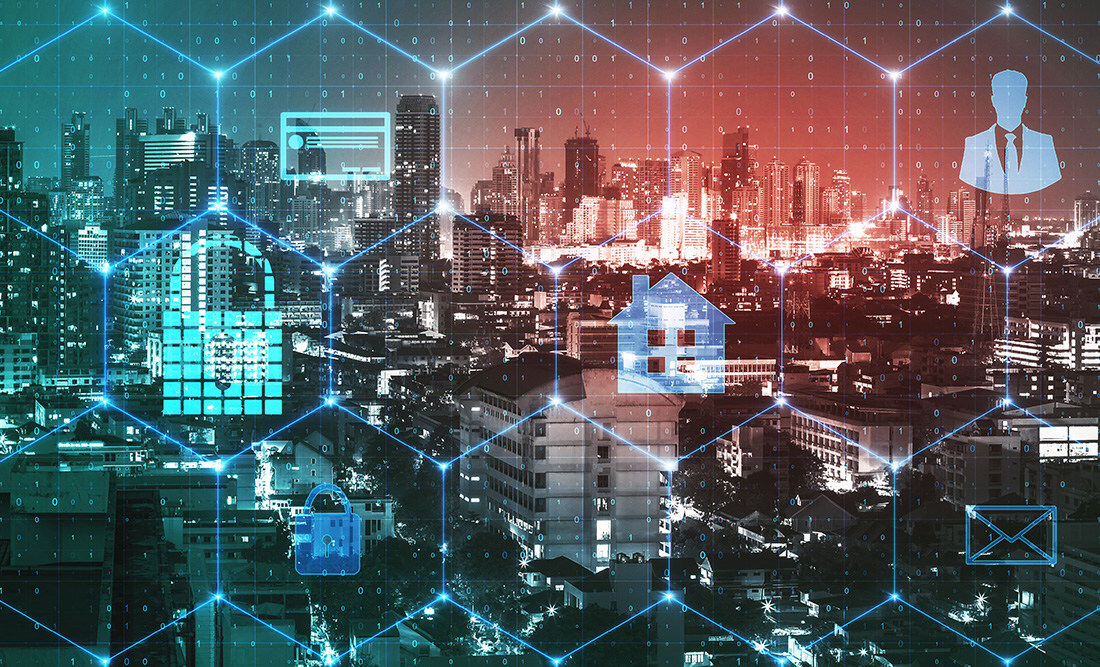
This development highlights a broader trend in the smart home market, where interoperability is becoming a key expectation rather than a differentiator. Platforms like Homey aim to unify devices from multiple brands into a single system, reducing the fragmentation that has historically limited adoption. By linking Reolink’s detection capabilities with a wider ecosystem, the integration suggests how different technologies can be coordinated into more cohesive experiences.
At the same time, the shift raises questions about how automation changes the role of home security. Instead of simply recording events for later review, systems are beginning to anticipate and respond to potential scenarios as they occur. This can enhance convenience and responsiveness, but also introduces new considerations around reliability, user control, and privacy.
The partnership also reflects the increasing influence of larger technology ecosystems, particularly as companies like LG Electronics expand their reach through platforms such as Homey. As more devices become interconnected, the value of individual hardware may depend less on standalone features and more on how effectively it integrates into a broader network. In that context, Reolink’s move points to a future where the smart home is defined not by individual products, but by how seamlessly they work together.