
An interview with a partner at a New York–based wealth management firm on technology, judgment, and client trust
Key Takeaways
- Technology should enhance judgment, not replace it
- Client trust grows from clarity, not complexity
- Personalization matters more than product breadth
- Long-term discipline beats short-term optimization
- Transparency is the foundation of modern advising
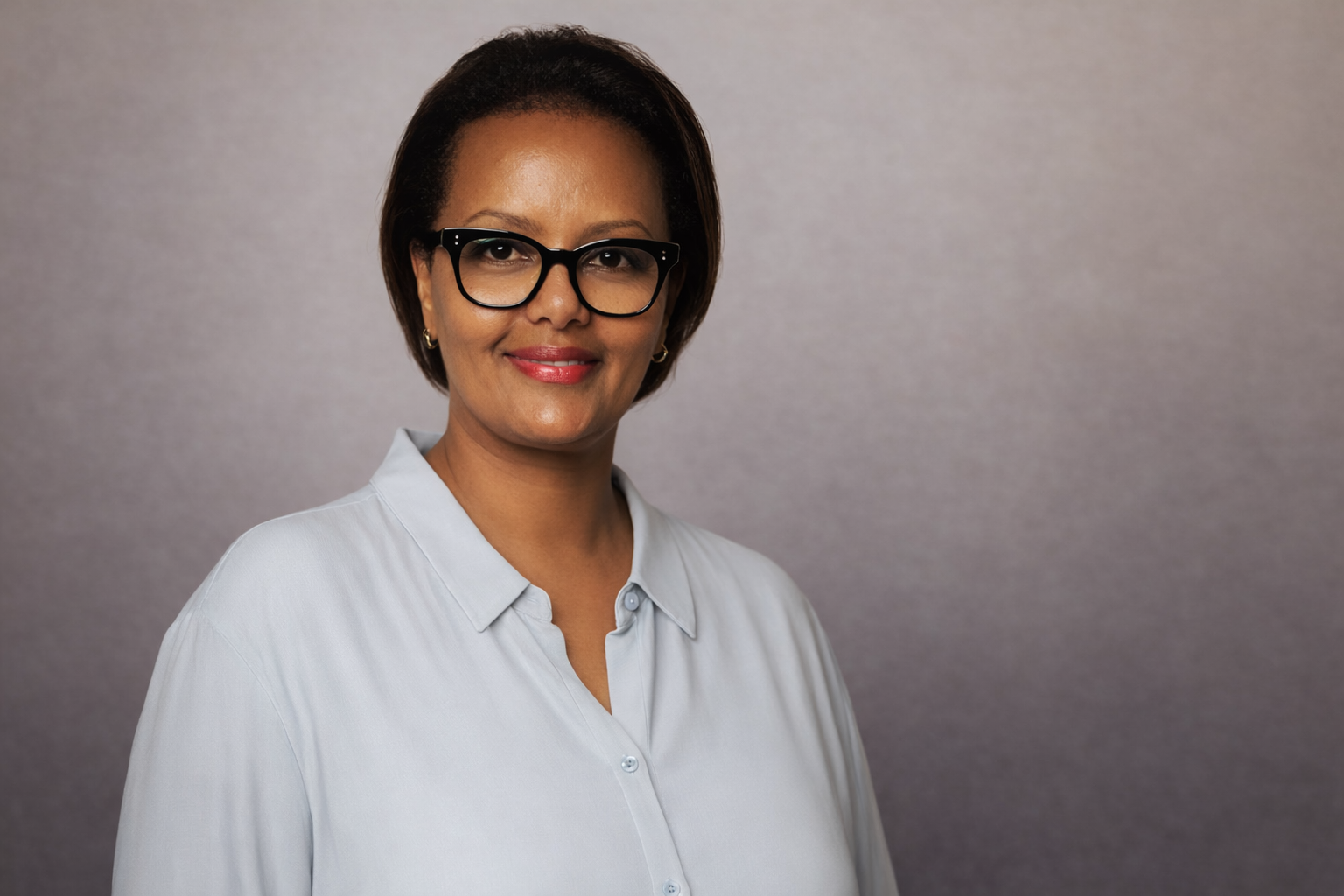
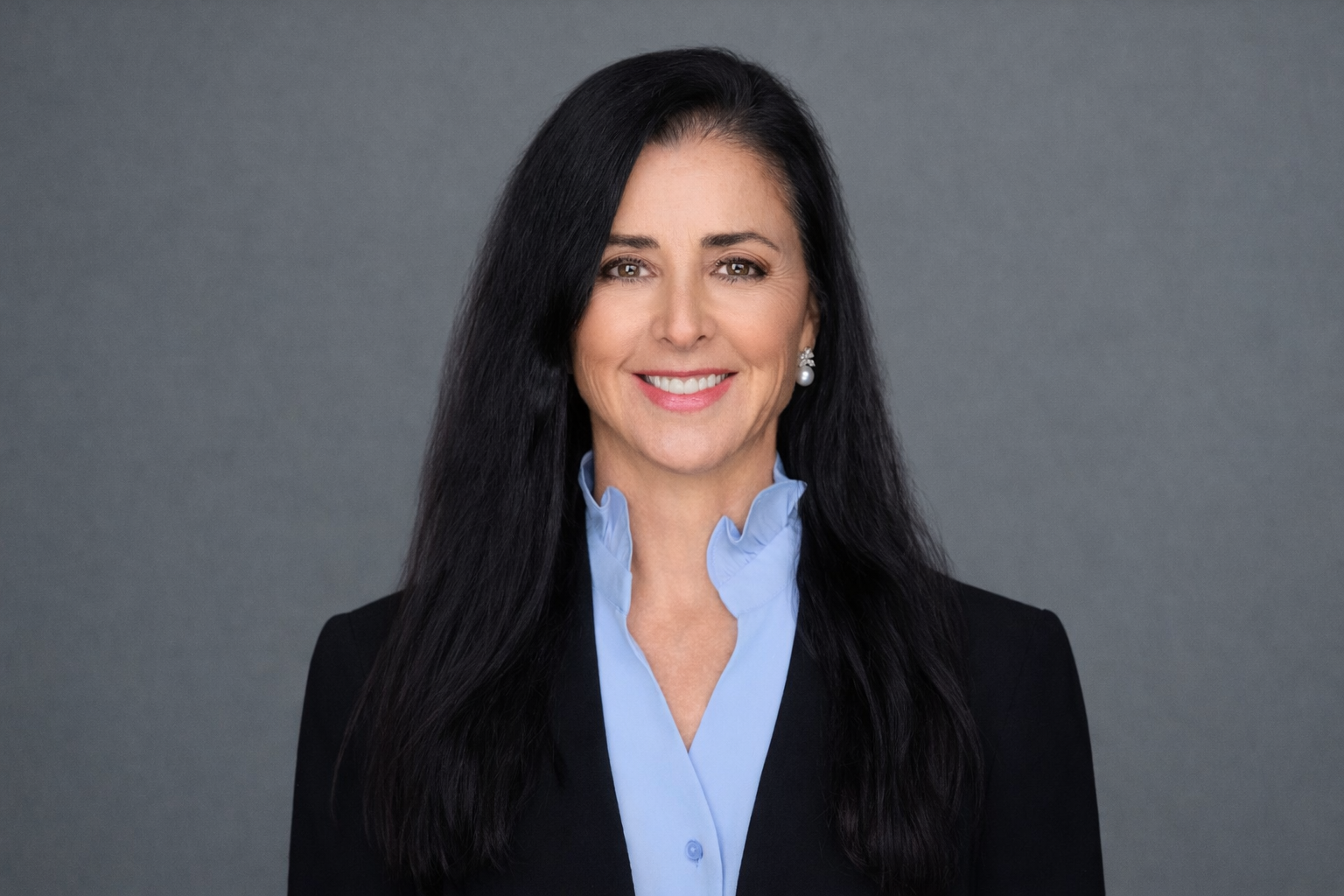
Wealth management has long been shaped by relationships, discretion, and trust—qualities that don’t always align neatly with rapid technological change. Yet as client expectations evolve, firms are under pressure to modernize without losing their human edge. For Rachel Mendelson, Partner at the tech-forward New York City wealth management firm Harborline Advisory, the challenge isn’t adopting new tools—it’s knowing how and when to use them. With a background in institutional finance and fintech strategy, Mendelson has helped guide Harborline’s measured approach to innovation. In this interview, she discusses how technology can support better financial decisions, why restraint is critical in advisory services, and what the future of wealth management may look like when software and human judgment work in concert.
Interview
Q1: Harborline is known for being tech-forward but not tech-first. How do you define that balance?
For us, technology is a means, not an identity. Wealth management is ultimately about helping people make sound decisions in complex, emotional situations. Software can support that, but it can’t replace judgment or context.
We’re intentional about adopting tools that reduce friction—better reporting, scenario modeling, and communication—without overwhelming clients with information. If a piece of technology doesn’t make conversations clearer or decisions calmer, it doesn’t belong in our process. Being tech-forward means being selective, not experimental.
Q2: How has technology changed client expectations in recent years?
Clients expect transparency and responsiveness in ways that simply weren’t possible ten or fifteen years ago. They want to see how decisions are made, not just the results. That’s a healthy shift.
At the same time, access to information has increased anxiety. Clients can see markets move in real time, read conflicting opinions instantly, and feel pressure to act. Our role is to use technology to provide context—to slow the moment down rather than accelerate it. Good advising today often means helping clients not react.
Q3: What role does data play in your investment and planning approach?
Data is essential, but it’s not self-explanatory. We use advanced analytics to model scenarios, stress-test portfolios, and understand risk more precisely. But those outputs are always starting points for conversation, not conclusions.
One of the dangers of modern finance is mistaking precision for certainty. Models can tell you what might happen under certain conditions, but they can’t account for human behavior or unexpected events. Our responsibility is to interpret data with humility and explain it in a way clients can actually use.
Q4: How do you maintain personalization as the firm grows?
Personalization doesn’t come from custom products; it comes from understanding. We invest heavily in systems that give advisors a holistic view of each client’s financial life, goals, and constraints.
That allows us to scale insight without standardizing advice. Growth shouldn’t mean sameness. If clients start feeling like they’re being fit into templates, trust erodes quickly. Technology helps us remember details and see patterns, but the relationship remains central.
Q5: What principles guide your leadership as a partner in the firm?
The first is accountability. When you’re advising people on decisions that affect their futures, responsibility can’t be delegated to a model or a process. Ownership matters.
The second is patience. Wealth is built over decades, not quarters, and our firm has to reflect that time horizon in how we operate. Finally, we prioritize clarity—internally and externally. In a world full of financial noise, being a steady, understandable presence is one of the most valuable services we can offer.
Looking Forward
Harborline Advisory’s approach highlights a broader evolution within wealth management, where technology is increasingly seen as an enabler of better relationships rather than a replacement for them. Mendelson’s perspective underscores the idea that progress in finance doesn’t always mean moving faster or doing more. Instead, it often means creating space for better judgment, clearer communication, and steadier decision-making. In an industry built on trust, the most meaningful innovations may be the ones clients barely notice—but deeply feel.