
An interview with the CEO of a new AI-driven health-tech company on responsibility, realism, and patient trust
Key Takeaways
- AI in healthcare must prioritize safety over speed
- Clinical trust is earned through transparency, not claims
- Technology should support clinicians, not replace them
- Regulation can strengthen, not slow, innovation
- Patient outcomes matter more than technical sophistication
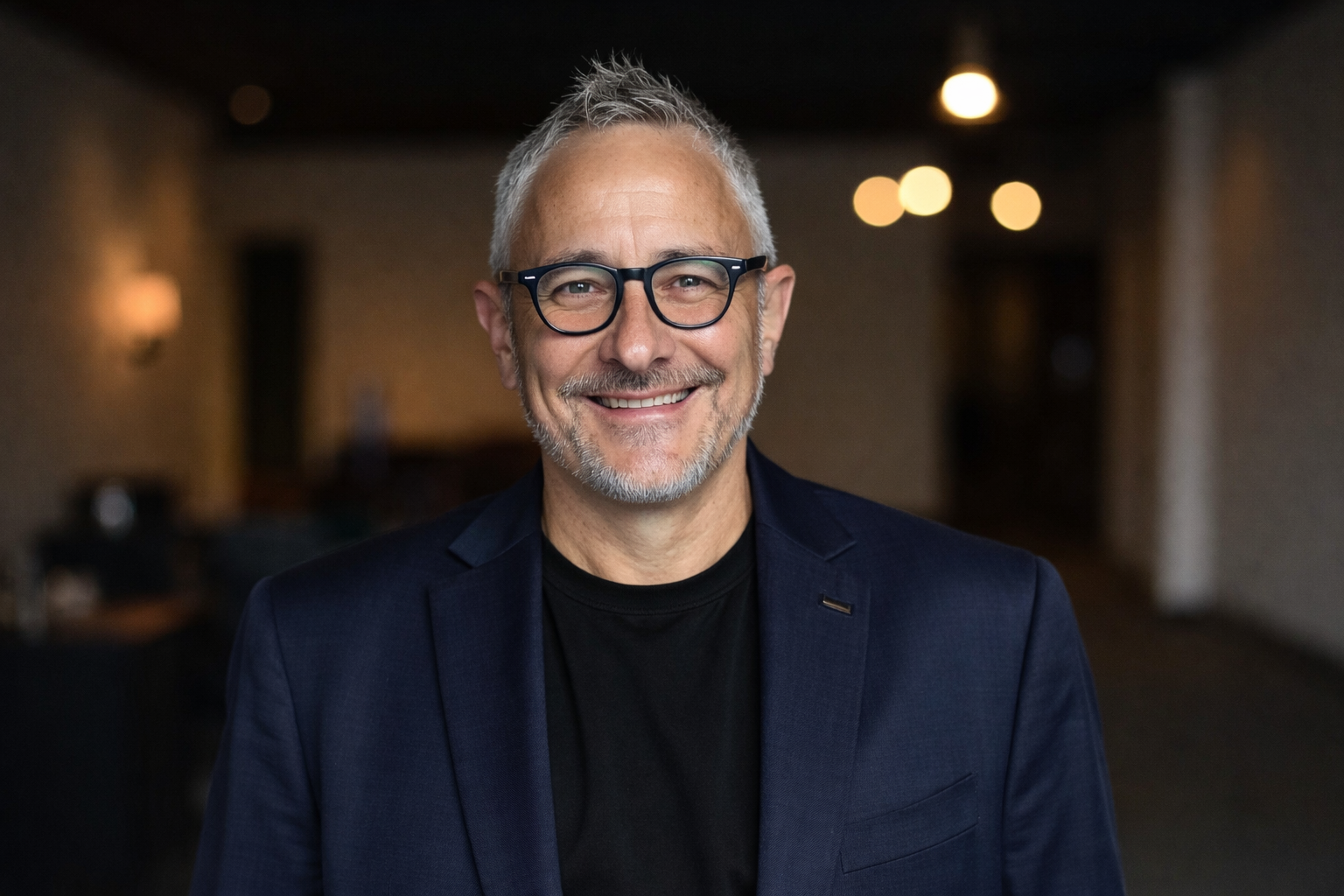
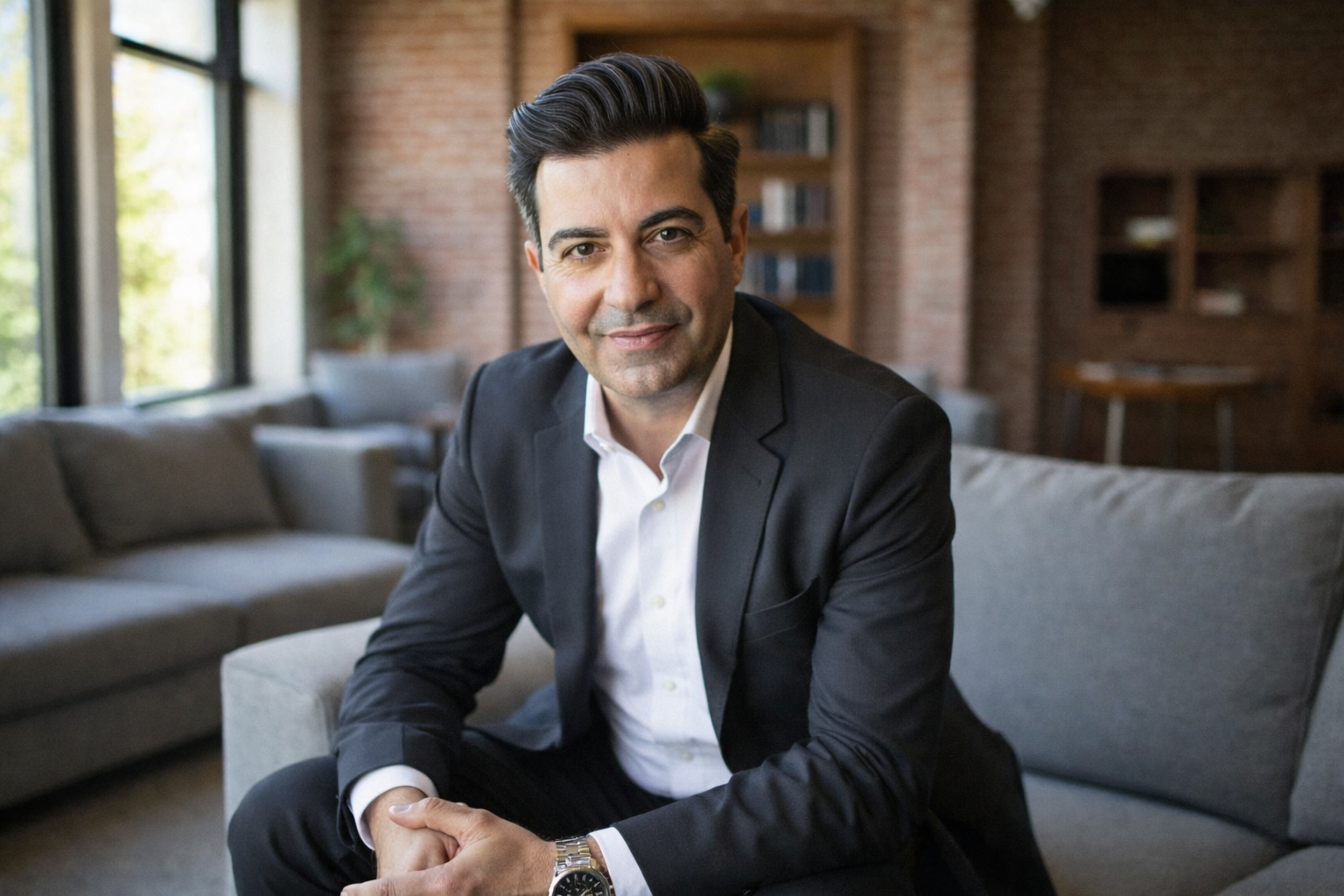
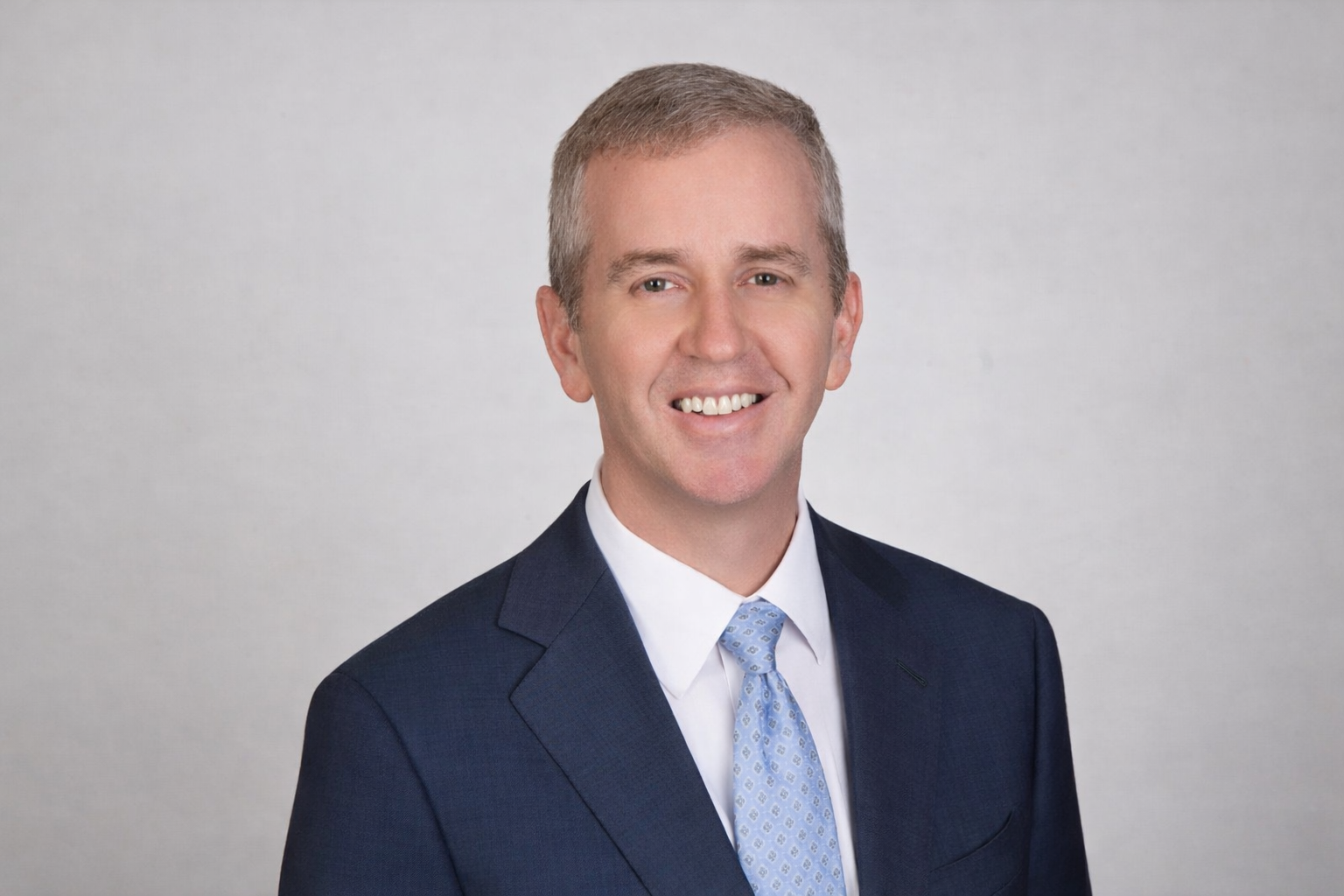
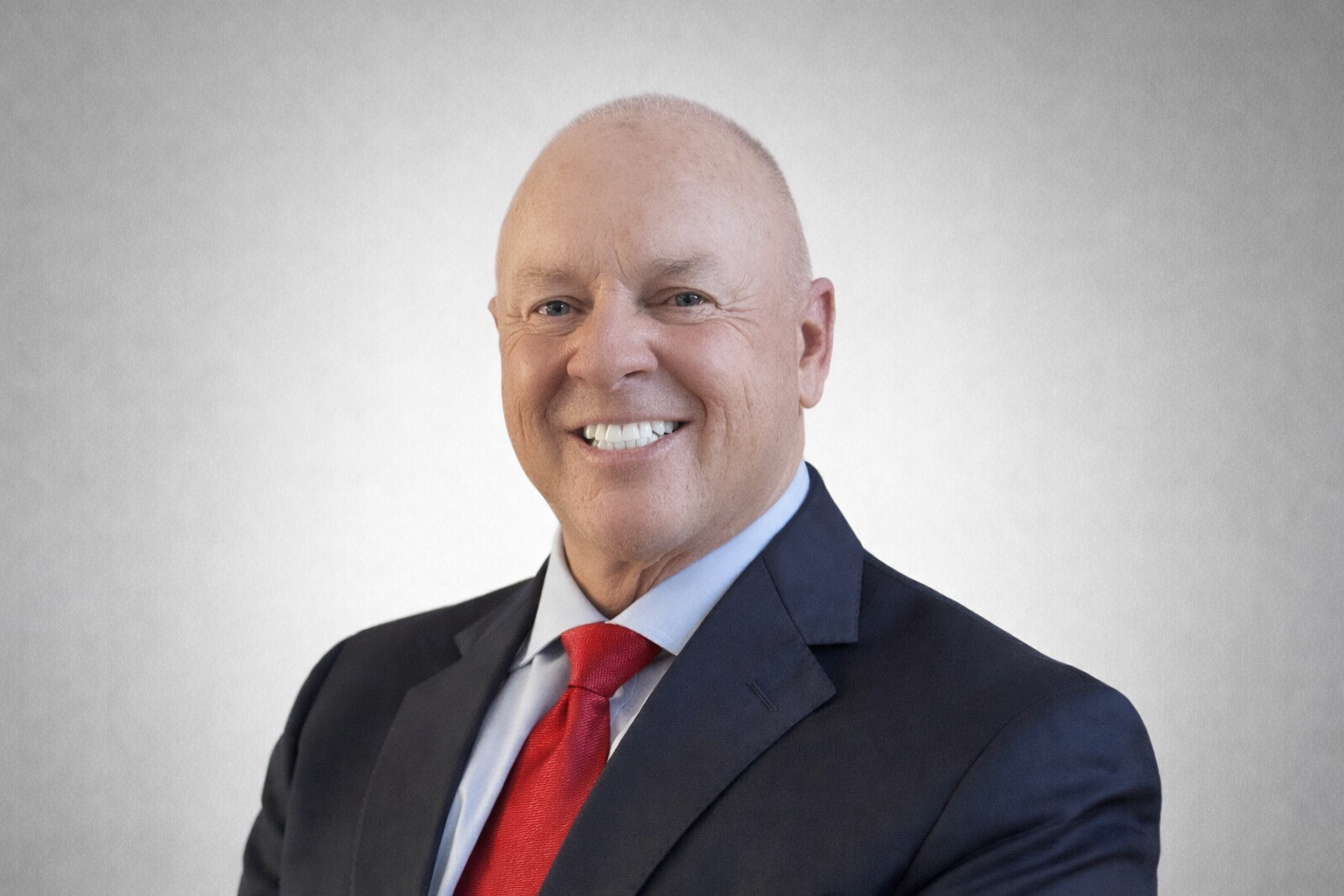
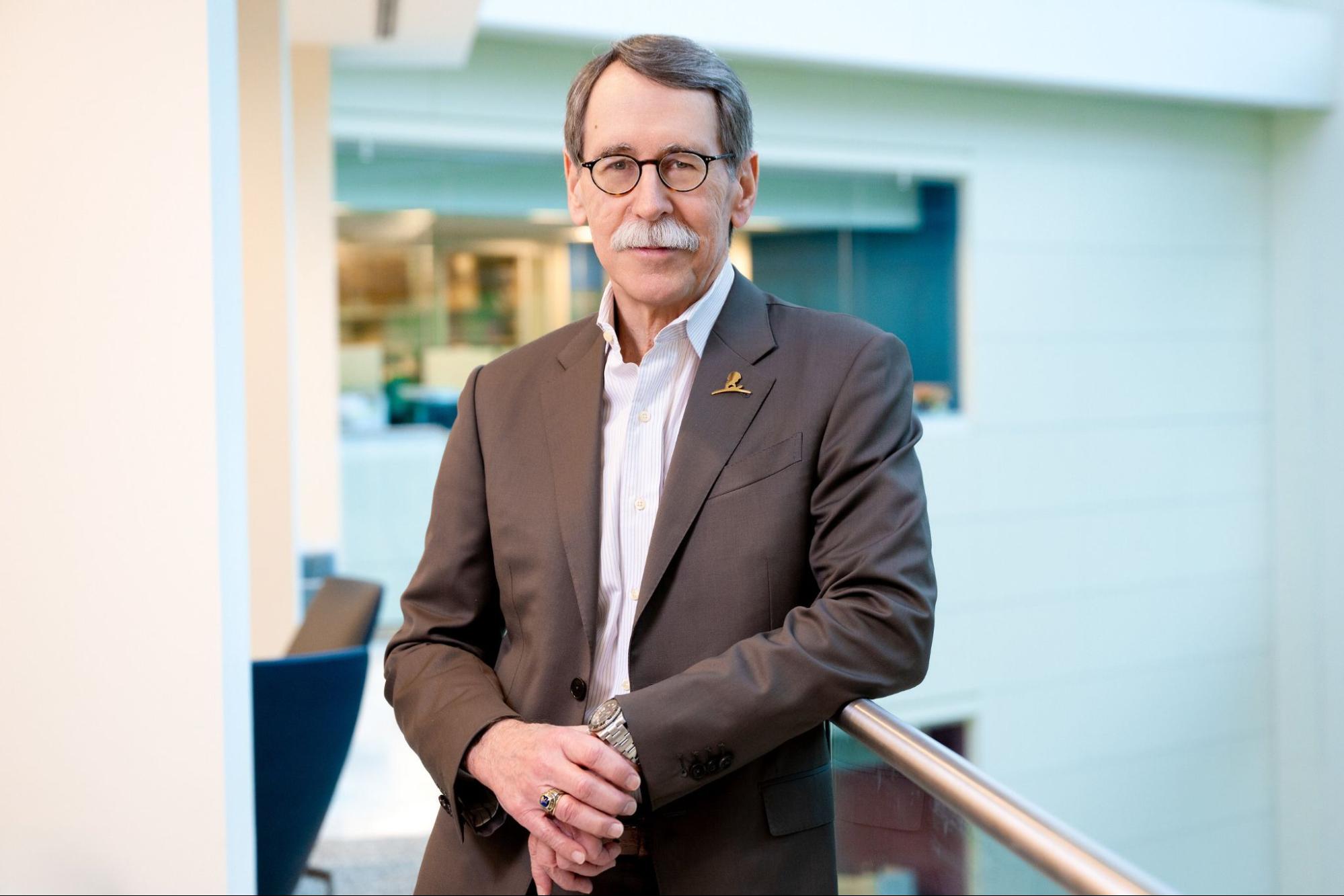
Healthcare is one of the most promising—and unforgiving—arenas for artificial intelligence. Small gains can mean meaningful improvements in patient outcomes, while small mistakes can carry serious consequences. For Dr. Samuel Ortega, CEO and founder of the emerging health-tech company Clarion Health AI, that reality shapes every decision the company makes. A former practicing physician turned health-tech executive, Ortega founded Clarion to address gaps he witnessed firsthand in clinical workflows and decision-making. In this interview, he discusses why restraint is essential in healthcare innovation, how AI can augment—not override—medical judgment, and what it truly takes to earn trust in a regulated, high-stakes industry.
Interview
Q1: What led you to start an AI company in healthcare rather than continuing in clinical practice?
Leaving clinical practice wasn’t an easy decision. I loved patient care, but I was increasingly frustrated by how much time clinicians spent navigating systems that didn’t actually help them make better decisions. The problem wasn’t a lack of data—it was fragmentation and overload.
I saw AI as a way to reduce that cognitive burden, not by replacing clinicians, but by organizing information in a way that supports clearer judgment. Clarion was born from the belief that better tools can restore focus to what matters most: the patient in front of you.
Q2: Healthcare AI is often surrounded by bold promises. How do you define realistic impact?
We define impact very narrowly, and that’s intentional. Instead of asking, “What could AI do?” we ask, “What should it do safely today?” In healthcare, ambition without evidence is dangerous.
Our models are designed to support specific clinical decisions, with clear boundaries and confidence levels. We’re explicit about uncertainty, because pretending certainty where it doesn’t exist erodes trust. Real impact comes from consistency and reliability, not dramatic demos.
Q3: How do you approach regulation as a startup CEO?
Regulation is often framed as a burden, but in healthcare, it’s a form of alignment. It forces you to articulate your assumptions, validate your claims, and document your processes. That discipline makes the product stronger.
We work closely with regulators and clinical partners early, even when it slows development. The goal isn’t just approval—it’s confidence. When clinicians know a system was built with regulatory rigor, they’re more willing to integrate it into their workflows.
Q4: How do you build trust with clinicians who are skeptical of AI tools?
The skepticism is healthy. Clinicians are trained to question tools that affect patient care, and we respect that. Trust starts by positioning AI as an assistant, not an authority.
We design our system to show its reasoning and data sources clearly, so clinicians can evaluate recommendations rather than accept them blindly. Adoption improves when users feel their expertise is being respected. AI should elevate professional judgment, not compete with it.
Q5: As CEO, how do you balance innovation with ethical responsibility?
Ethics isn’t a separate track—it’s embedded in every decision. We regularly ask ourselves not just “Can we build this?” but “Should we?” and “Under what conditions?”
That means setting limits on use cases, declining partnerships that don’t align with patient benefit, and being willing to slow down. In healthcare, moving carefully isn’t a weakness; it’s a moral obligation. Long-term trust is far more valuable than short-term growth.
Looking Forward
Clarion Health AI represents a growing movement within health-tech toward more measured, evidence-driven innovation. Ortega’s leadership reflects an understanding that credibility in healthcare is earned slowly, through transparency, humility, and clinical partnership. As AI continues to make inroads into medicine, the companies that succeed may be those that resist overreach and center their work on patient well-being. In an industry where lives are at stake, thoughtful progress may be the most meaningful form of disruption.