PepsiCo’s new global platform reflects how brands are moving beyond sponsorships to embed themselves in fan culture, focusing on rituals, identity, and everyday moments surrounding football.
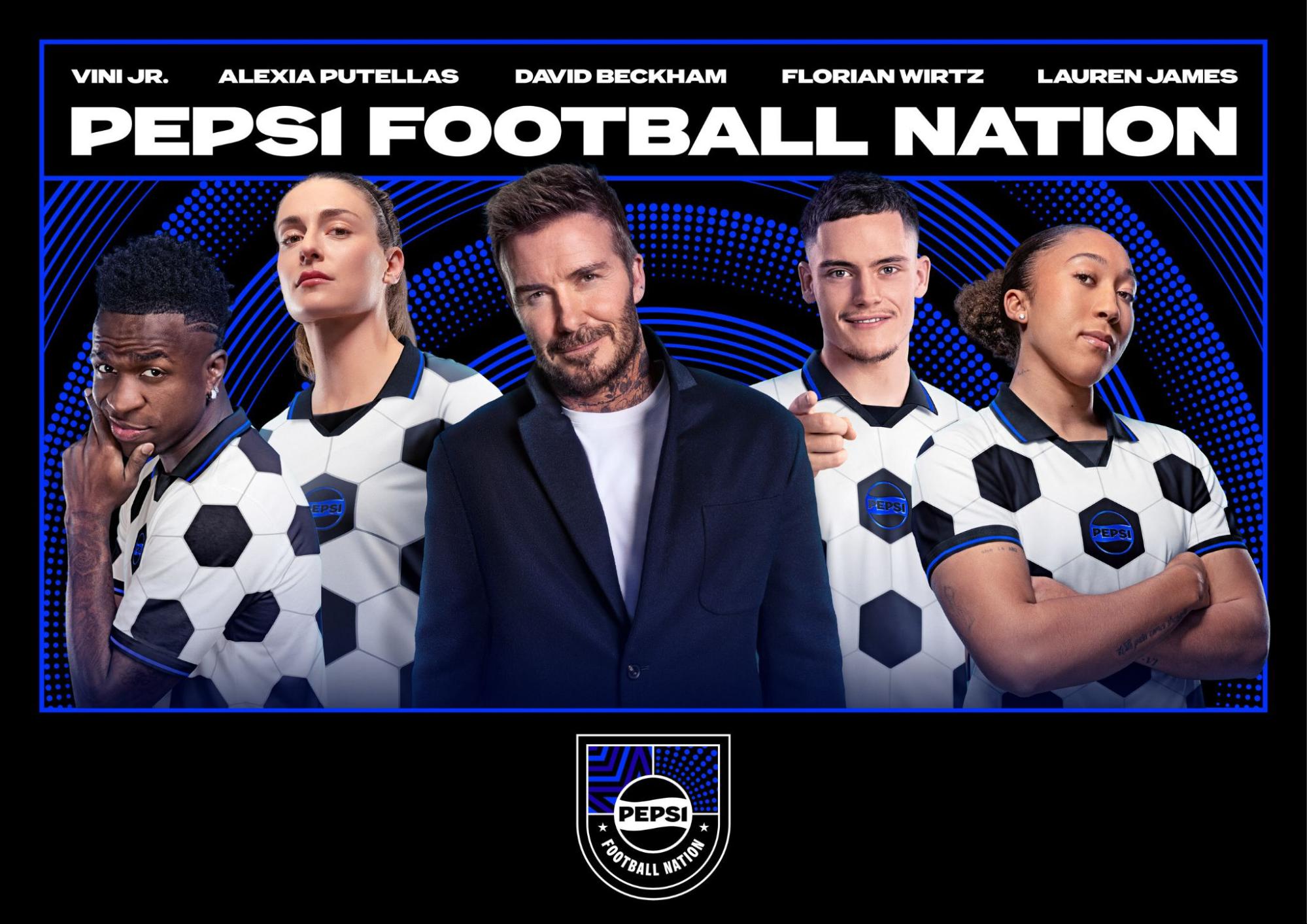
PepsiCo has introduced “Pepsi Football Nation,” a global platform designed to unify its long-standing involvement in football under a broader cultural narrative. Rather than focusing solely on matches or tournaments, the initiative positions the brand within the wider ecosystem of fan experiences that extend beyond the game itself.
The move reflects an evolution in sports marketing, where brands increasingly seek relevance in how audiences live with sports rather than how they watch them. Football, in this context, is framed not just as competition, but as a network of rituals, conversations, and shared identities that shape everyday life across different regions.
Pepsi’s history in football spans decades, including partnerships with major competitions and high-profile events. By consolidating these efforts into a single platform, the company appears to be responding to a fragmented media landscape, where audiences engage with sports across digital, social, retail, and live environments simultaneously.
Central to the platform is the idea that football culture is driven as much by fans as by players. From chants and rivalries to pre-match traditions and post-game debates, these elements are presented as defining features of the sport’s global appeal, offering brands a way to connect through emotion and shared experience rather than direct promotion.
The initiative also highlights how athlete influence now extends beyond performance, intersecting with entertainment, fashion, and social media. By emphasizing this crossover, the platform aligns with a generation of fans who engage with football as part of a broader cultural identity rather than a standalone activity.
Pepsi Football Nation ultimately illustrates how brands are adapting to a more participatory model of engagement. As audiences become both consumers and contributors to sports culture, the role of companies shifts from sponsor to storyteller, attempting to integrate into the rhythms of fandom rather than simply appearing alongside them.
In doing so, PepsiCo is betting that cultural proximity will matter as much as visibility. The success of such platforms may depend less on traditional advertising metrics and more on whether they resonate with the lived experiences of fans across different communities and contexts.