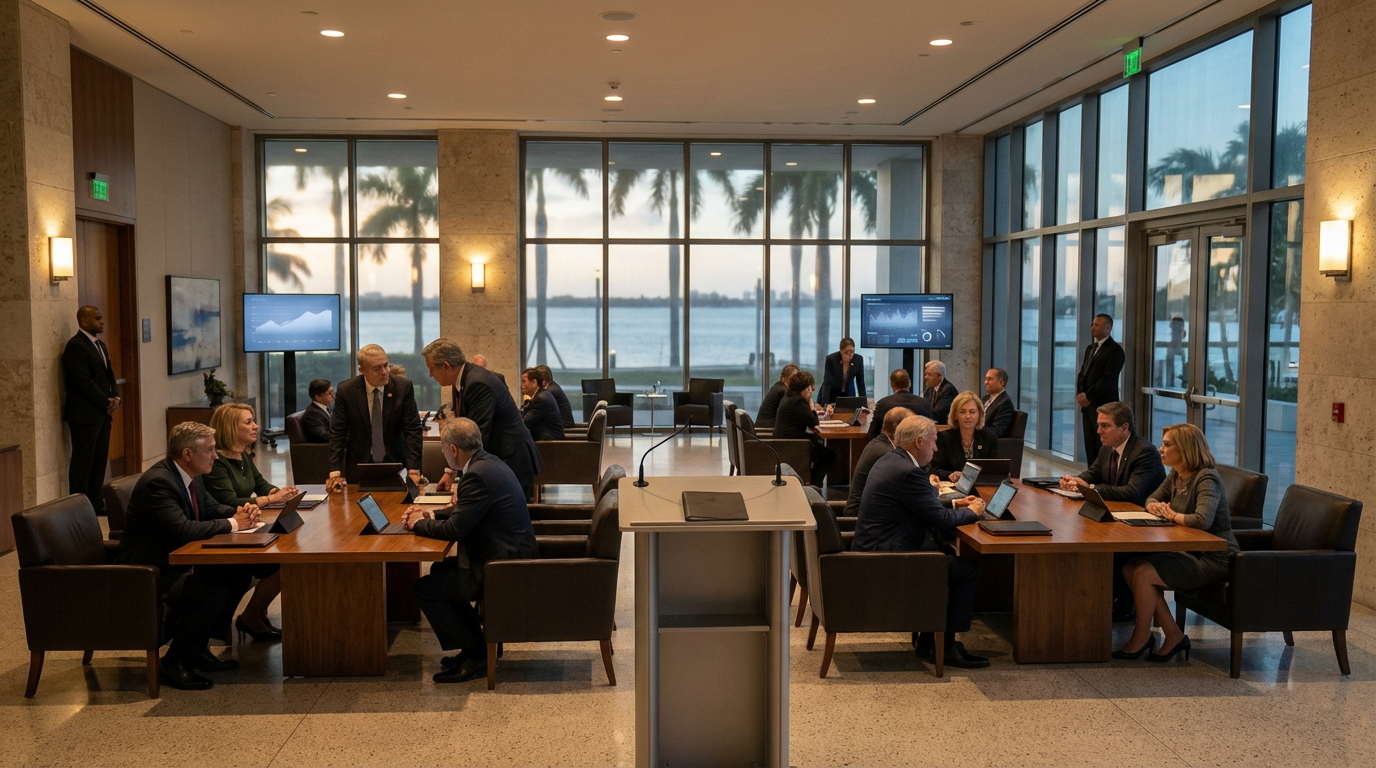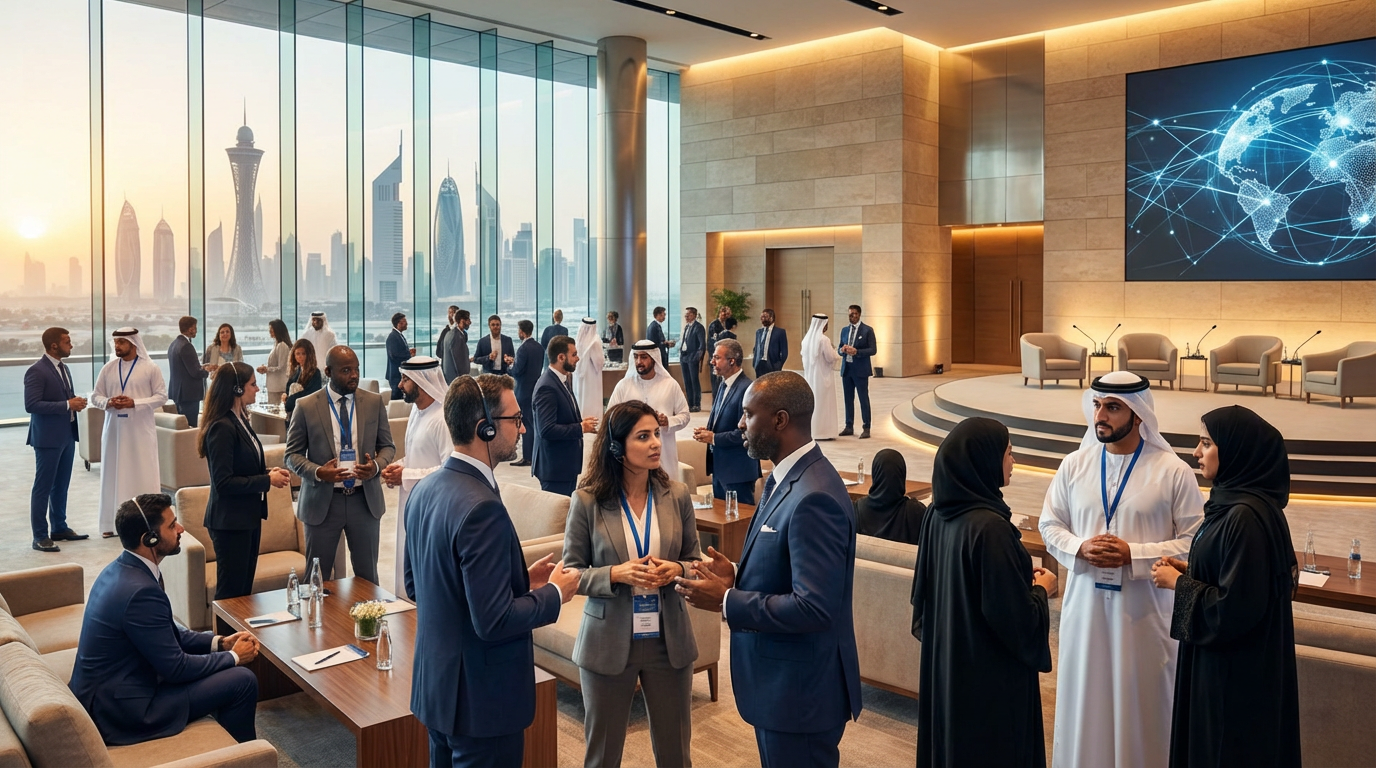
At SXSW 2026, Paralyzed Veterans of America used its platform to highlight how accessibility shapes culture and innovation, urging industries to rethink inclusion as a driver of progress.
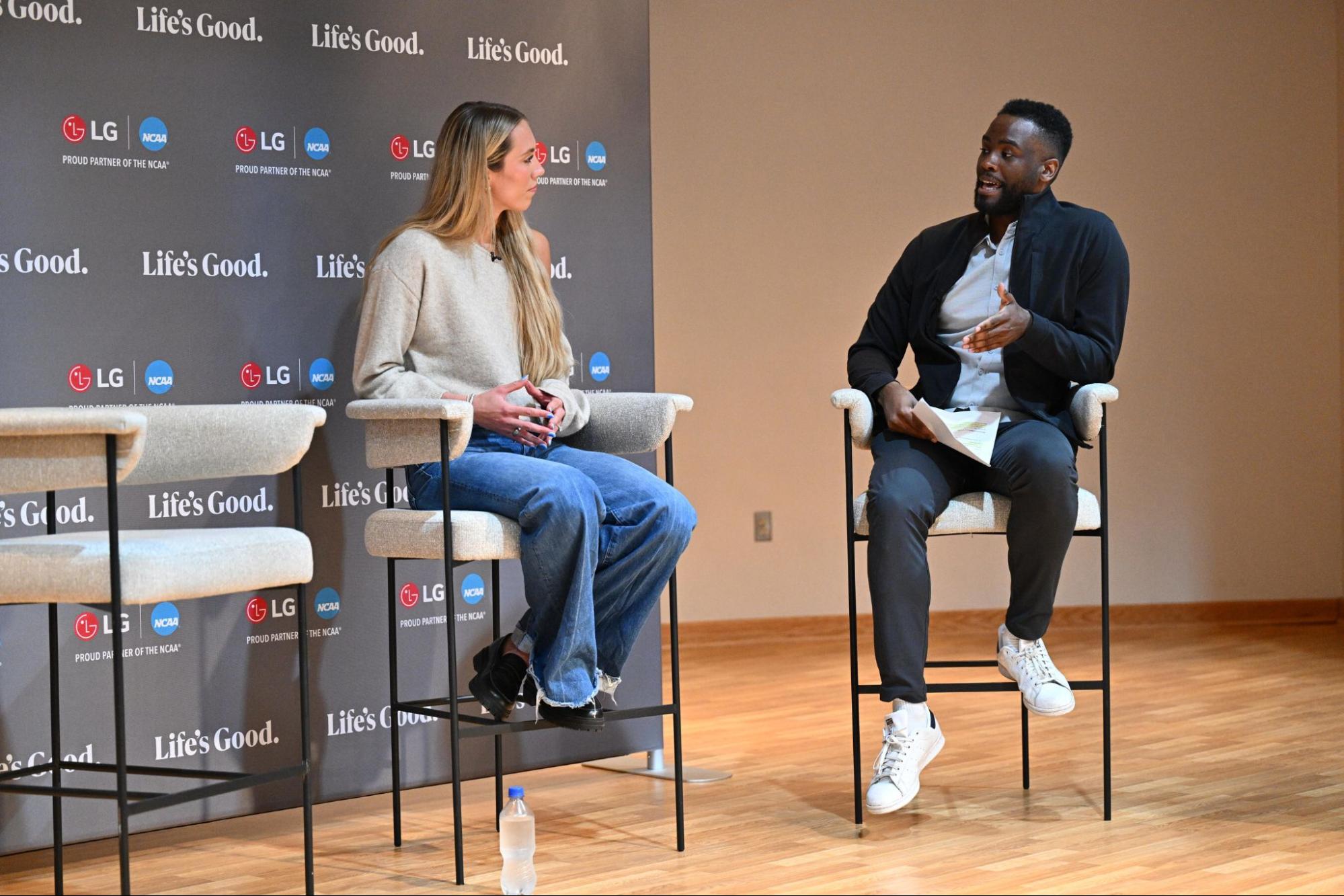
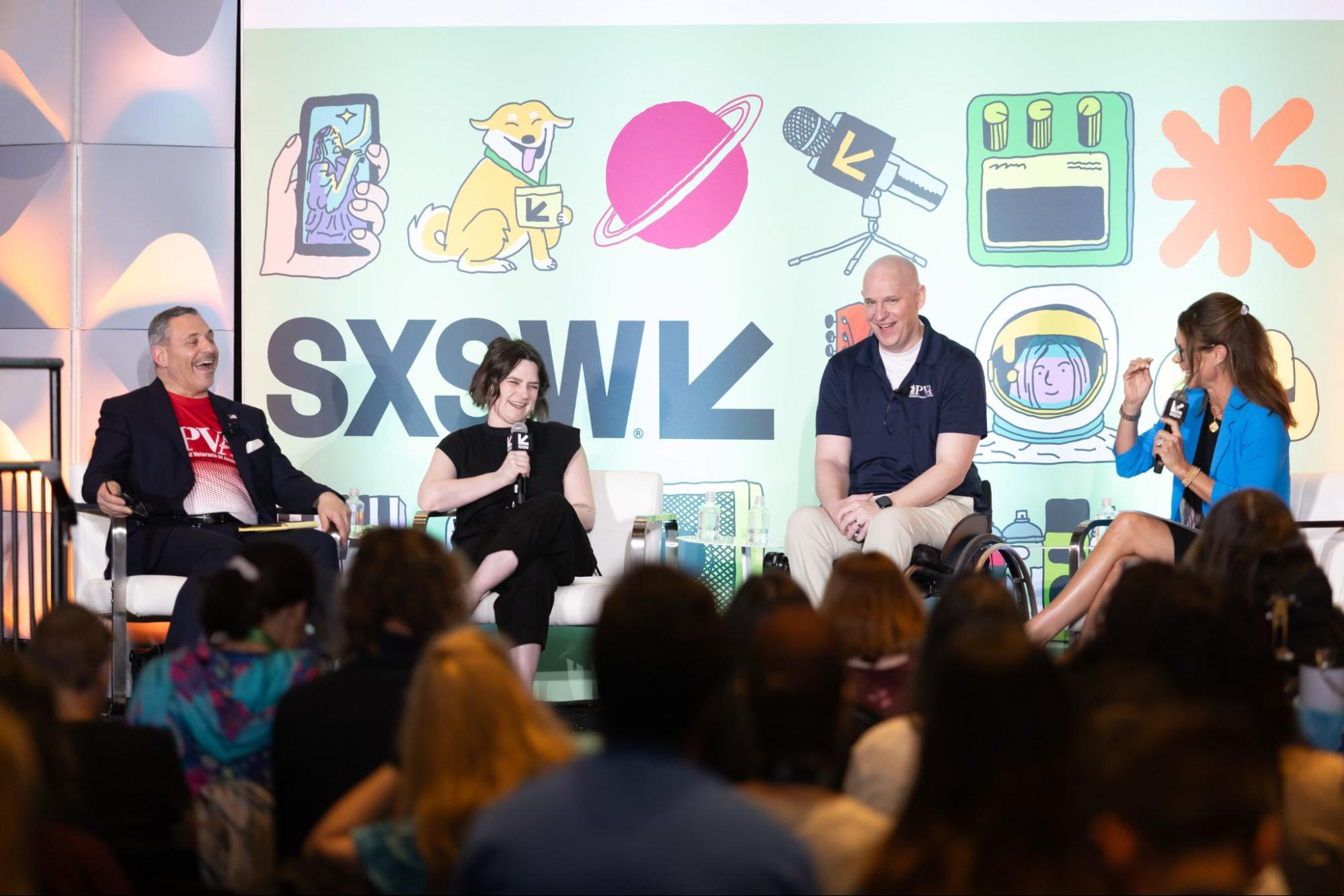
Paralyzed Veterans of America marked a milestone at SXSW 2026 by hosting its first-ever panel discussions at the festival, placing accessibility at the center of conversations about culture and innovation. The nonprofit, which has spent eight decades advocating for veterans with spinal cord injuries and the broader disability community, used the event to reinforce its ongoing public awareness campaign tied to its 80th anniversary.
The discussions focused on how barriers—both physical and systemic—continue to limit participation in creative and public life. By framing accessibility as foundational rather than optional, the panels challenged long-standing assumptions about who gets to contribute to cultural spaces and how those decisions are made.
One session explored the role of cultural gatekeepers, examining how industries such as entertainment, events, and media can unintentionally exclude disabled voices. The conversation underscored that when participation is restricted, the resulting cultural output reflects a narrower set of perspectives, potentially limiting both creativity and relevance.
A second panel took a different angle, presenting disability not as a constraint but as a catalyst for innovation. The discussion highlighted how design challenges often lead to broader solutions, suggesting that insights from the disability community can influence everything from architecture to technology in ways that benefit wider audiences.
These themes align with a broader shift across industries, where inclusion is increasingly linked to both ethical responsibility and competitive advantage. As organizations look to differentiate themselves, accessibility is being reconsidered not only as compliance, but as a source of insight that can shape better products, experiences, and systems.
The organization’s presence at SXSW also reflects how advocacy groups are engaging with mainstream cultural platforms to expand their reach. By situating accessibility within conversations about design and innovation, Paralyzed Veterans of America is attempting to move the issue beyond policy discussions and into everyday decision-making.
Ultimately, the panels suggest that accessibility is not a niche concern but a lens through which broader progress can be understood. As industries continue to evolve, the extent to which they integrate diverse perspectives may determine not only who participates, but how culture itself is shaped.