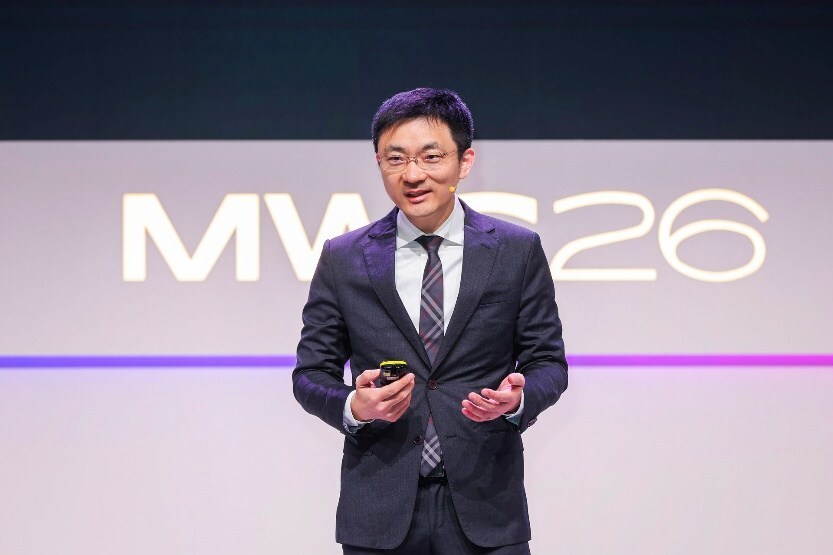
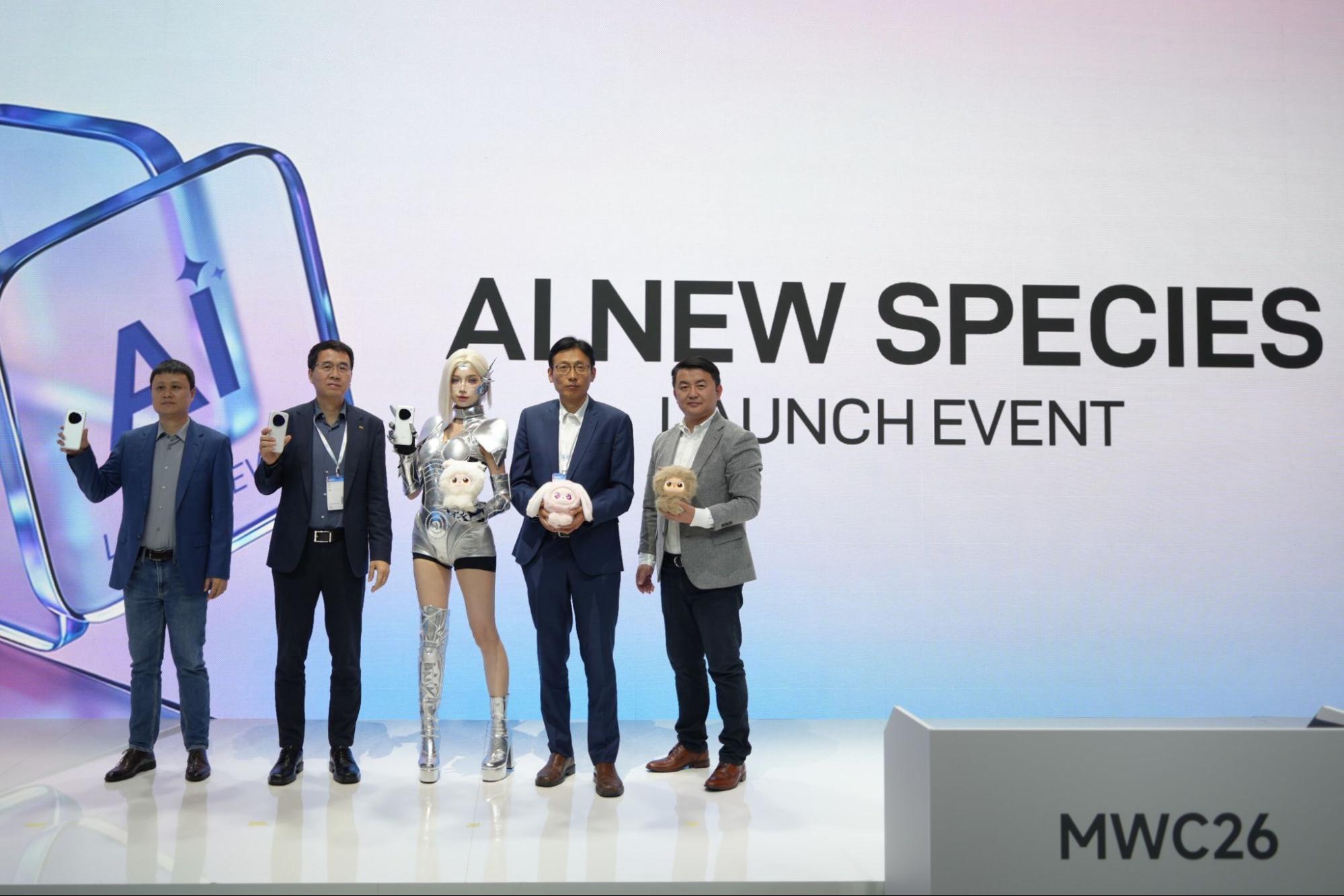
At MWC Barcelona 2026, ZTE’s nubia brand unveiled an AI-native smartphone and a responsive robotic pet, reflecting a broader push to make artificial intelligence less tool and more partner.
ZTE Corporation used the stage at MWC Barcelona 2026 to present new devices under its nubia brand that aim to rethink how people interact with technology. The company introduced the nubia M153 smartphone with Doubao AI Assistant and a soft, interactive AI pet called iMoochi, both positioned as steps toward more integrated, everyday artificial intelligence.
The nubia M153 is described as an “AI-native” phone, meaning AI functions are embedded at the operating system level rather than layered on as optional apps. Through collaboration with Doubao, the device is designed to interpret natural language commands and carry out multi-step tasks across different applications. In practical terms, that could mean searching for restaurants, comparing prices and booking a table through a single voice request.
This approach reflects a broader industry ambition to shift from reactive digital assistants to more autonomous systems. Instead of users navigating apps themselves, the phone handles workflows in the background, supported by high-end hardware including a Snapdragon 8 Elite platform and 16GB of RAM. The model saw a limited launch in China late last year, suggesting the company is testing consumer appetite for deeper AI integration.
Alongside the phone, nubia introduced iMoochi, an AI-powered companion designed to simulate emotional interaction. Covered in a soft exterior and equipped with tactile sensors and haptic feedback, the device responds to touch and environmental cues with sounds and movements. A companion app allows users to track its “mood” and personalize the experience, positioning it as a stress-relief tool or alternative to a traditional pet.
Together, the products highlight a shift in how technology companies frame artificial intelligence. Rather than focusing solely on productivity, nubia’s devices suggest AI could play roles in both task automation and emotional companionship. Whether consumers embrace that vision may depend less on novelty and more on how seamlessly these systems integrate into daily life.