
An industry award highlights Novelis’ development of automotive aluminum made entirely from recycled vehicle scrap, illustrating how circular manufacturing could reshape material sourcing in the car industry.
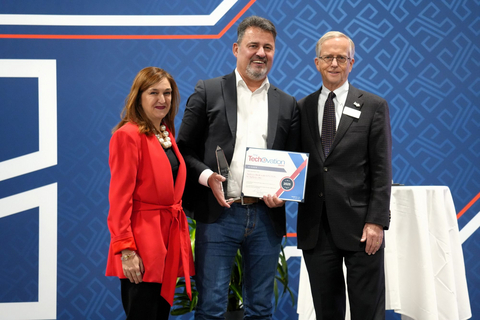
Novelis has received the 2026 Münchner Management Kolloquium Award of Excellence for developing aluminum sheet made entirely from end-of-life vehicle scrap. The material, designed for exterior automotive body panels, represents a step toward what the company describes as “car-to-car” recycling—turning metal from retired vehicles into raw material for new ones.
The recognition comes as automakers face increasing pressure to reduce the environmental impact of vehicle manufacturing. While electrification often dominates discussions about sustainable transportation, the materials used to build cars—from steel to aluminum—also play a significant role in the industry’s overall carbon footprint.
Aluminum has long been valued in automotive design because of its strength and relatively low weight, which can improve vehicle efficiency. But producing primary aluminum is energy-intensive, making recycling an increasingly important part of the metal’s lifecycle. According to industry estimates cited by the company, recycling aluminum requires roughly 95 percent less energy than producing it from raw materials.
Novelis’ new approach focuses on recovering aluminum directly from vehicles at the end of their usable life and refining it into high-quality sheet metal suitable for exterior car bodies. Achieving this level of recycled content presents technical challenges, since automotive panels must meet strict standards for durability, surface quality, and structural performance.
The development also reflects a broader shift toward circular manufacturing models in the automotive supply chain. Rather than relying primarily on newly mined resources, manufacturers and material suppliers are experimenting with ways to reuse existing materials while maintaining industrial quality standards.
Novelis already incorporates recycled content across many of its aluminum products, reporting an average of more than 60 percent recycled material globally. By demonstrating that aluminum recovered from old vehicles can be reused in visible exterior components, the company is testing whether circular material flows can become a practical part of mass-market car production.
The implications extend beyond a single product innovation. If widely adopted, car-to-car recycling could reduce both the energy demands and the environmental impact associated with producing lightweight metals—an increasingly important consideration as the automotive industry balances electrification, manufacturing emissions, and resource use in the transition to more sustainable mobility.