The move signals how global hospitality brands are targeting emerging coastal destinations, blending high-end living, dining, and tourism to capture shifting patterns in international travel demand.
Nobu Hospitality has announced plans to open new hotel, restaurant, and residential developments in Baku, Azerbaijan, and Montenegro, marking an expansion into two coastal markets gaining visibility among global travelers. The projects, developed in partnership with Sea Breeze Resort, reflect the brand’s continued push into lifestyle-driven destinations beyond traditional luxury hubs.
Both developments follow a similar model, combining boutique hotels with private residences and a signature Nobu restaurant at their core. This integrated approach points to a broader trend in hospitality, where experiences are designed to extend beyond short stays and into long-term living and ownership.
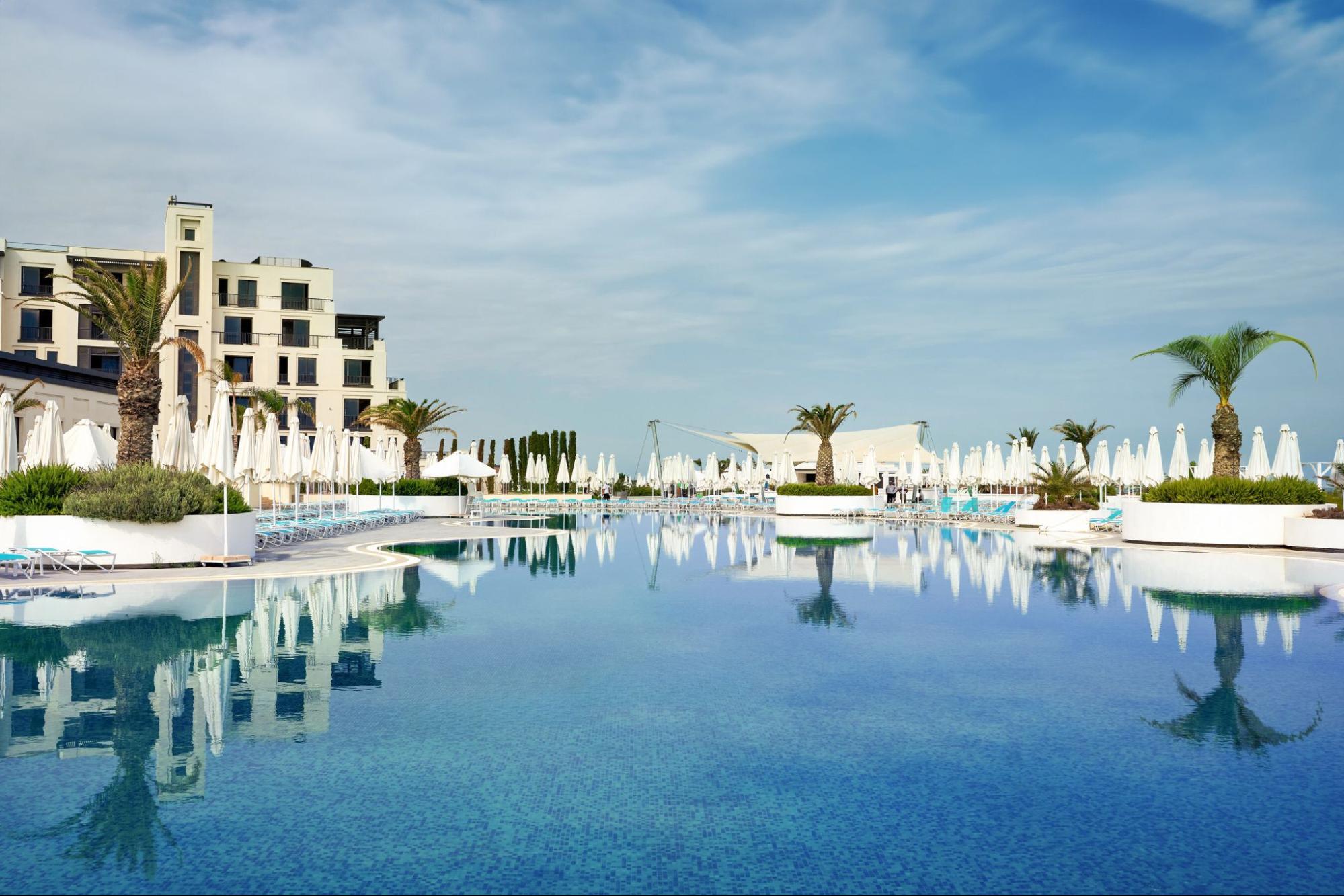
In Baku, the project will introduce the brand to Azerbaijan for the first time, situating it along the Caspian Sea in a resort area that is positioning itself as a regional destination. The inclusion of villas, residences, and wellness amenities suggests a focus on attracting both international visitors and affluent buyers seeking a hybrid of travel and real estate investment.
The Montenegro development, set along the Adriatic coast, builds on the region’s growing reputation as an alternative to more established Mediterranean destinations. With panoramic views and proximity to established tourist routes, the project reflects how brands are leveraging natural landscapes to create differentiated luxury offerings.
These expansions come at a time when travel preferences are shifting toward destinations that combine cultural appeal with relative exclusivity. As traditional hotspots become more crowded, emerging locations are gaining attention from both travelers and developers looking to capture new demand.
The emphasis on residential components also highlights a changing relationship between hospitality and real estate. Increasingly, luxury brands are not only hosting guests but offering them a way to buy into a lifestyle, blurring the line between tourism and long-term habitation.
At the same time, such developments raise questions about sustainability and the impact of large-scale projects on local environments and communities. As more destinations pursue international recognition, balancing growth with preservation remains an ongoing challenge.
Nobu’s expansion into Baku and Montenegro illustrates how the geography of luxury travel is evolving. Rather than concentrating in a handful of global cities, the industry is spreading into new regions, reshaping how and where high-end experiences are created and consumed.