
As healthcare providers struggle with administrative complexity, Nitra’s funding signals growing interest in platforms that use artificial intelligence to streamline finances, inventory, and daily clinic operations.
Nitra has raised $187 million in new financing as the company expands its artificial intelligence–driven platform designed to manage the business operations of healthcare practices. The New York–based firm says its system, which integrates financial management, procurement, and patient administration tools, has already processed more than $1 billion in annualized transaction volume.
The investment reflects a growing recognition that some of healthcare’s most persistent inefficiencies lie outside the exam room. Analysts often note that administrative expenses account for a significant portion of healthcare spending in the United States, with clinics frequently relying on fragmented software systems for billing, scheduling, inventory management, and insurance verification.
Nitra’s platform attempts to address that fragmentation by embedding AI tools directly into these operational workflows. Its system includes financial automation tools such as expense management and payment processing, as well as procurement and inventory functions designed to help practices manage medical supplies and pharmaceuticals.
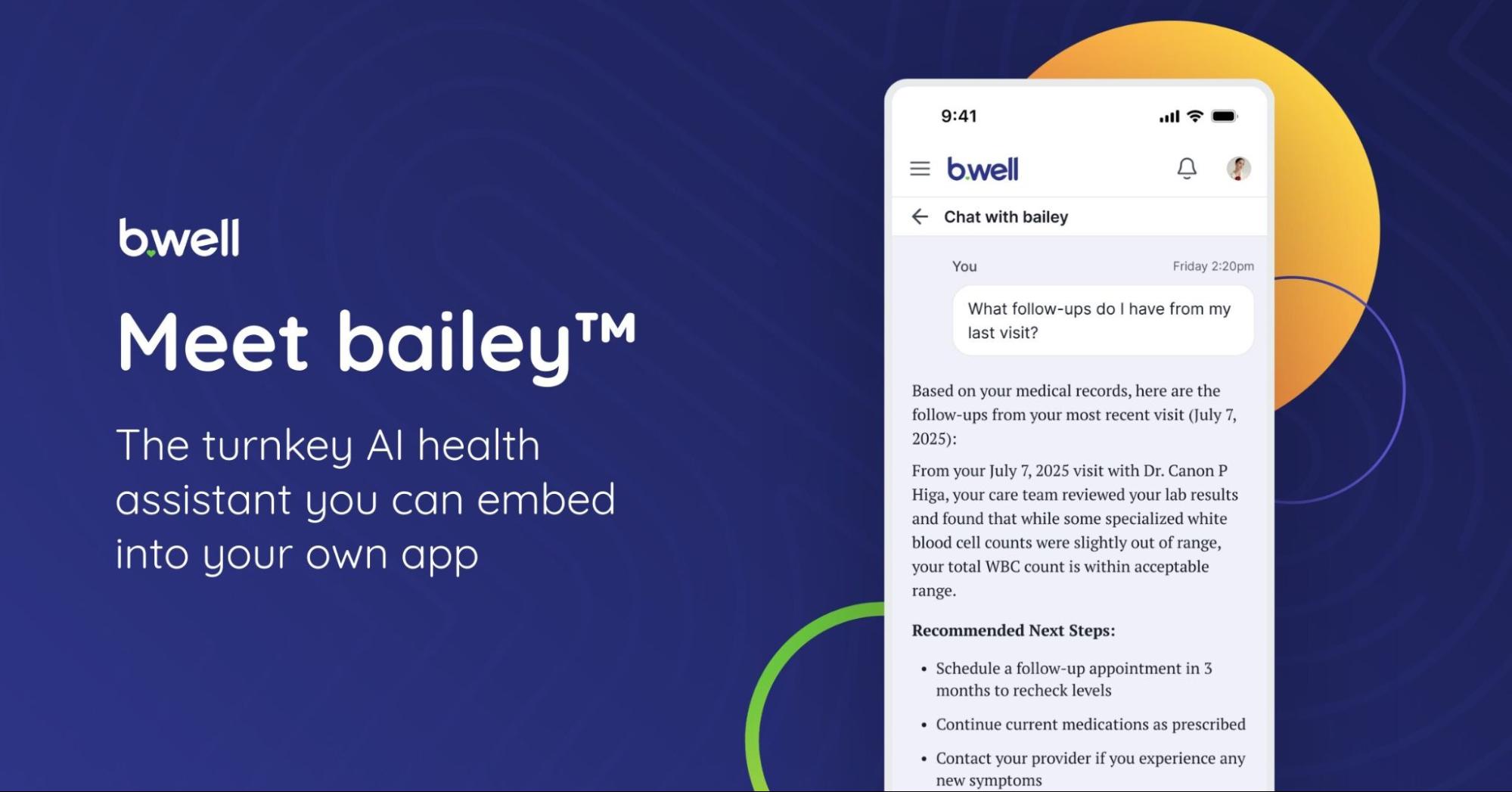
The company has also begun integrating patient management features, including voice-based AI agents that assist with appointment scheduling and insurance eligibility checks. These tools are intended to reduce the administrative workload placed on physicians and staff, a burden widely cited as a contributor to burnout within the healthcare profession.
The company’s rapid growth reflects rising demand for operational technology within the healthcare sector. Nitra reports that its revenue increased sharply in 2025 and that its platform is now used by physicians across hundreds of clinics.
The financing round included a combination of equity investment, venture debt, and lending facilities, bringing the company’s total capital raised to more than $200 million. As part of its expansion, the company also added healthcare entrepreneur Dr. Richard Park, founder of urgent care network CityMD, to its board of directors.
Investors appear to be betting that AI’s impact on healthcare will extend far beyond clinical decision-making tools. While much attention has focused on AI assisting doctors with diagnostics or medical documentation, administrative systems may offer a faster path to measurable cost savings.
If that trend continues, platforms like Nitra could become part of the digital infrastructure that supports everyday healthcare operations. By focusing on financial workflows, supply chains, and patient coordination, the company is positioning itself at the intersection of healthcare services and financial technology—two sectors increasingly linked by automation and data-driven systems.