With its U.S. debut of My Mario, Nintendo extends the Mario universe beyond screens, testing how toys, apparel, and simple digital tools can shape brand relationships with families long before children become gamers.
Nintendo is bringing its My Mario product line to the United States this February, marking a deliberate expansion of its reach into early childhood play. Launching first at Nintendo NEW YORK and Nintendo SAN FRANCISCO, the initiative reflects a broader effort to meet families where play often begins, well before consoles enter the picture. Rather than focusing on traditional gaming, My Mario reframes familiar characters as companions in everyday, parent-guided activities.
The move matters because it acknowledges how early brand exposure increasingly shapes long-term consumer relationships. By targeting infants, toddlers, and caregivers together, Nintendo is positioning Mario not as a game mechanic, but as a shared cultural reference that fits into homes, routines, and learning moments. This approach mirrors trends in early childhood products that emphasize open-ended play and parental involvement over passive entertainment.
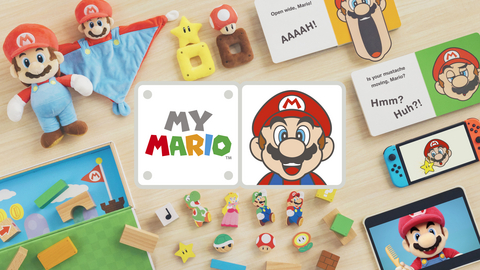
My Mario blends physical objects, light digital experiences, and storytelling in a way that avoids the sensory overload often associated with licensed children’s products. Wooden block sets, board books, plush toys, and bath items emphasize tactile exploration, while the free Hello, Mario! app offers simple interaction without requiring advanced skills or competitive play. The balance suggests an awareness of parental concerns around screen time and developmental appropriateness.
The inclusion of apparel and stop-motion content further extends Mario into daily life, reinforcing familiarity rather than novelty. These elements are not designed to stand alone, but to work together as an ecosystem that introduces characters gradually and gently. In that sense, My Mario functions less like a product launch and more like a long-term experiment in how intellectual property can evolve alongside a child.
For Nintendo, the U.S. rollout represents a strategic test of whether its most recognizable franchise can sustain relevance outside the traditional gaming lifecycle. If successful, My Mario could help redefine how entertainment companies cultivate loyalty across generations, starting years earlier than before. It also signals that Nintendo sees its future not only in new hardware or software, but in shaping how play itself is experienced at the earliest stages.