As Europe accelerates its transition toward lower-emission infrastructure, Midea Building Technologies’ latest showcase reflects how heating, cooling, and data systems are being redesigned to meet stricter energy and environmental demands.
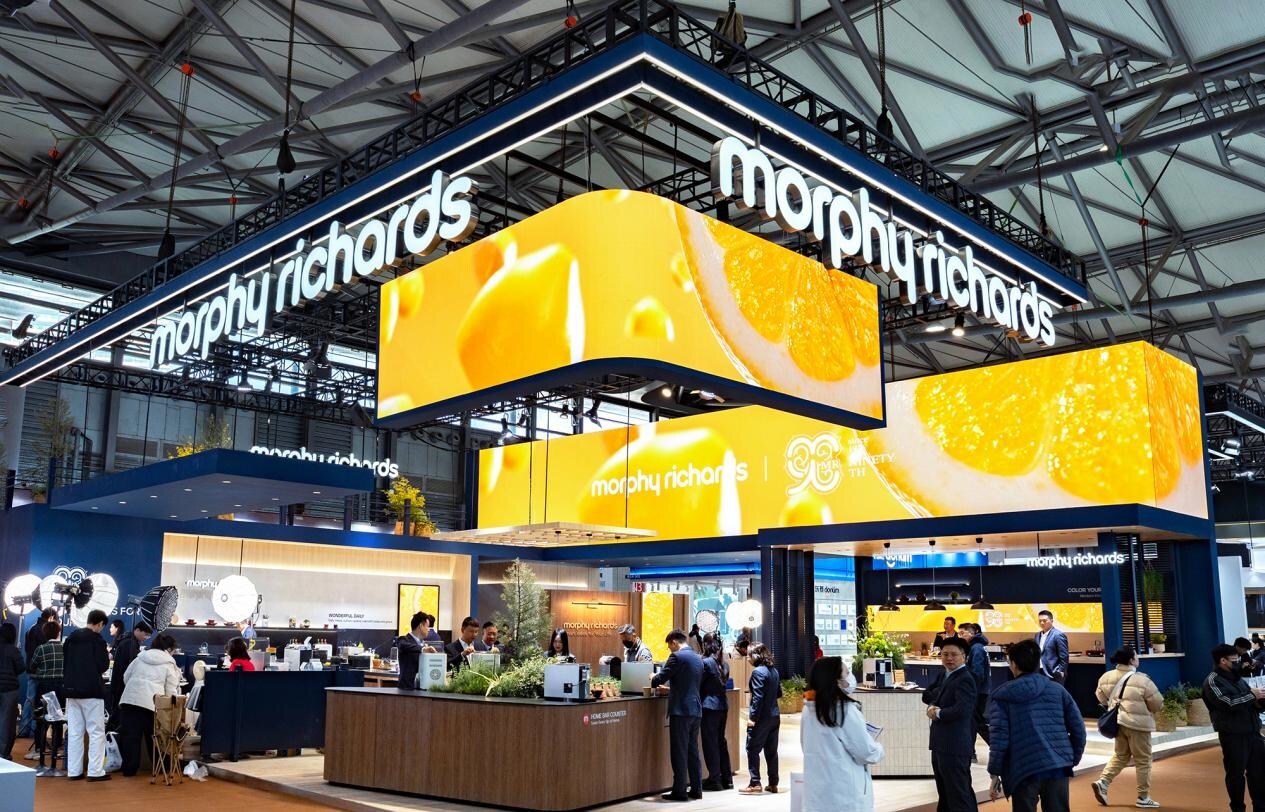
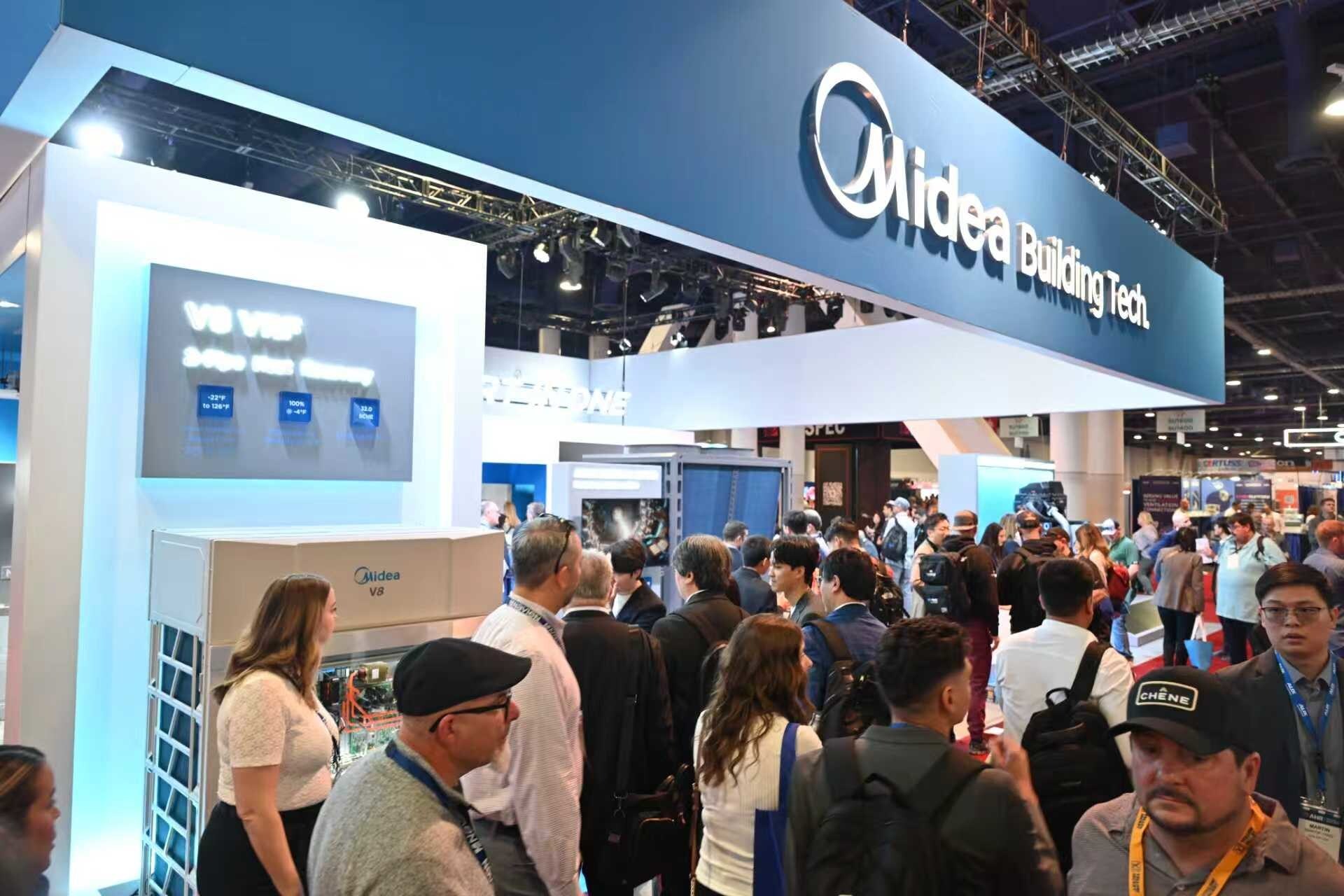
Midea Building Technologies (MBT) presented a range of new systems at MCE 2026 in Milan, focusing on energy efficiency and alternative refrigerants across building and industrial applications. The company’s display centered on three areas: variable refrigerant flow systems, heat pumps using natural refrigerants, and cooling technologies tailored for data centers.
One of the featured developments was a new VRF system designed to improve performance while reducing environmental impact through the use of R32 refrigerant. The system incorporates compact engineering and enhanced durability features, pointing to a broader industry push to balance efficiency with resilience in increasingly demanding operating environments.
MBT also highlighted a portfolio of heat pumps using R290, a natural refrigerant gaining traction as regulators and manufacturers seek alternatives to traditional options with higher environmental impact. These systems are designed to operate across a range of temperatures and use cases, from residential to industrial settings, reflecting the expanding role of heat pumps in electrification strategies.
The emphasis on heating technology aligns with Europe’s ongoing shift away from fossil fuel-based systems, where heat pumps are seen as a key component of decarbonization efforts. At the same time, their adoption depends on factors such as infrastructure readiness, upfront costs, and performance in colder climates.
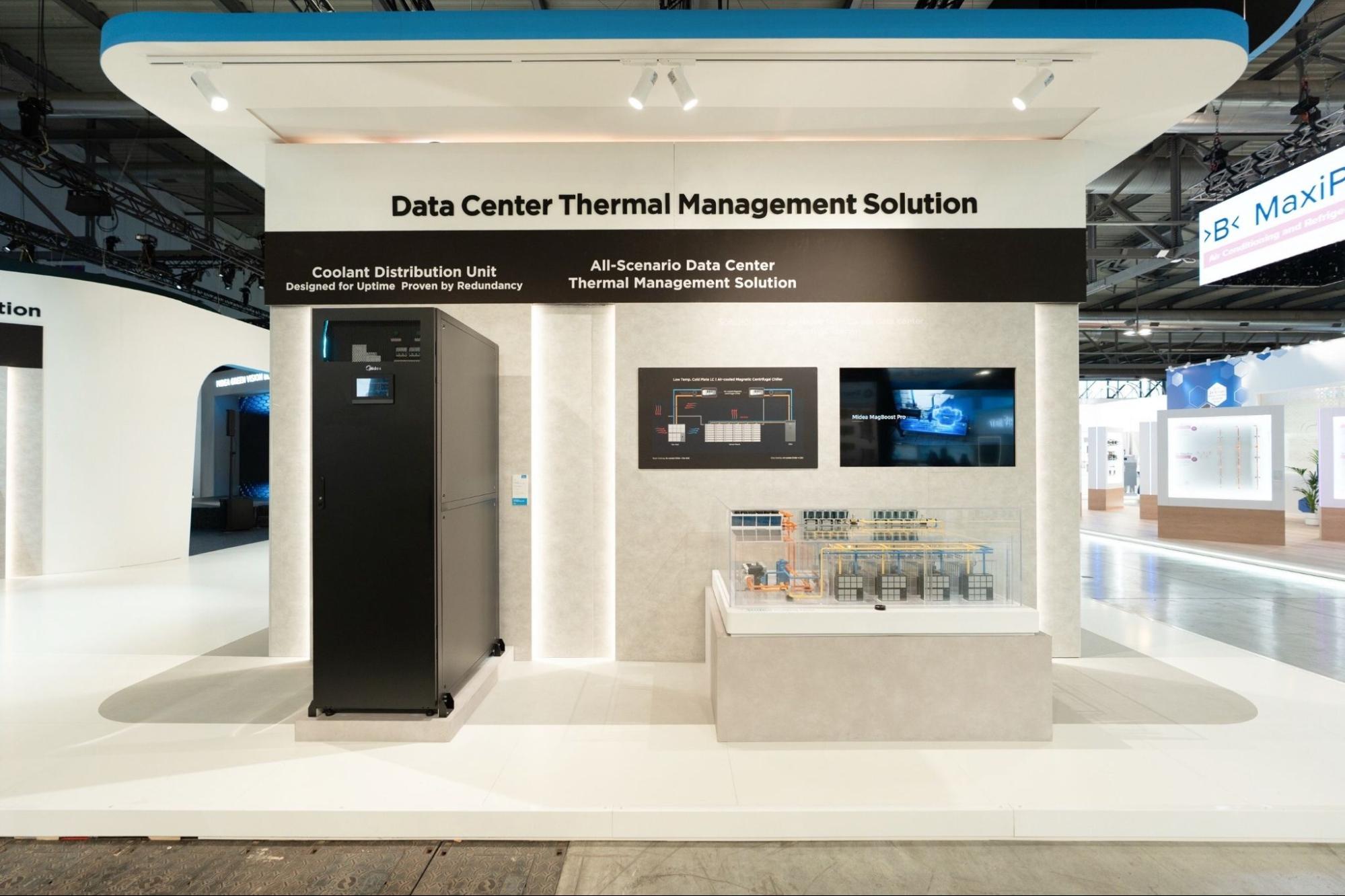
In parallel, MBT’s focus on data center cooling highlights another dimension of energy demand. As digital infrastructure expands, managing the heat generated by computing systems has become a critical efficiency challenge, with cooling solutions playing a significant role in overall energy consumption.
The company’s approach integrates liquid cooling and high-efficiency chillers aimed at reducing power usage effectiveness, a key metric in data center operations. This reflects a growing recognition that sustainability efforts must extend beyond buildings to include the infrastructure supporting digital services.
Taken together, MBT’s showcase illustrates how multiple sectors are converging around similar priorities: reducing emissions, improving efficiency, and adapting to new regulatory and operational pressures. The technologies on display point less to a single breakthrough and more to an incremental reshaping of how energy is produced, managed, and consumed across modern systems.