After years of serving patients through employers and health plans, Maven Clinic is returning to its consumer roots with a national platform designed to address the fragmented landscape of women’s health care.
Maven Clinic is opening its virtual care platform directly to women across the United States, marking a shift for a company that has largely operated through employers and health plans for much of the past decade. Founded in 2014, Maven built its reputation as a digital health provider focused on fertility, maternity, and family care, eventually partnering with more than 2,300 organizations and reaching tens of millions of covered lives.
The new direct-to-consumer offering reflects both the company’s origins and a broader moment in healthcare. While interest in treatments such as GLP-1 medications and hormone therapy has surged, many women still navigate care through a patchwork of apps, specialists, and brief appointments that rarely connect the full story of their health.
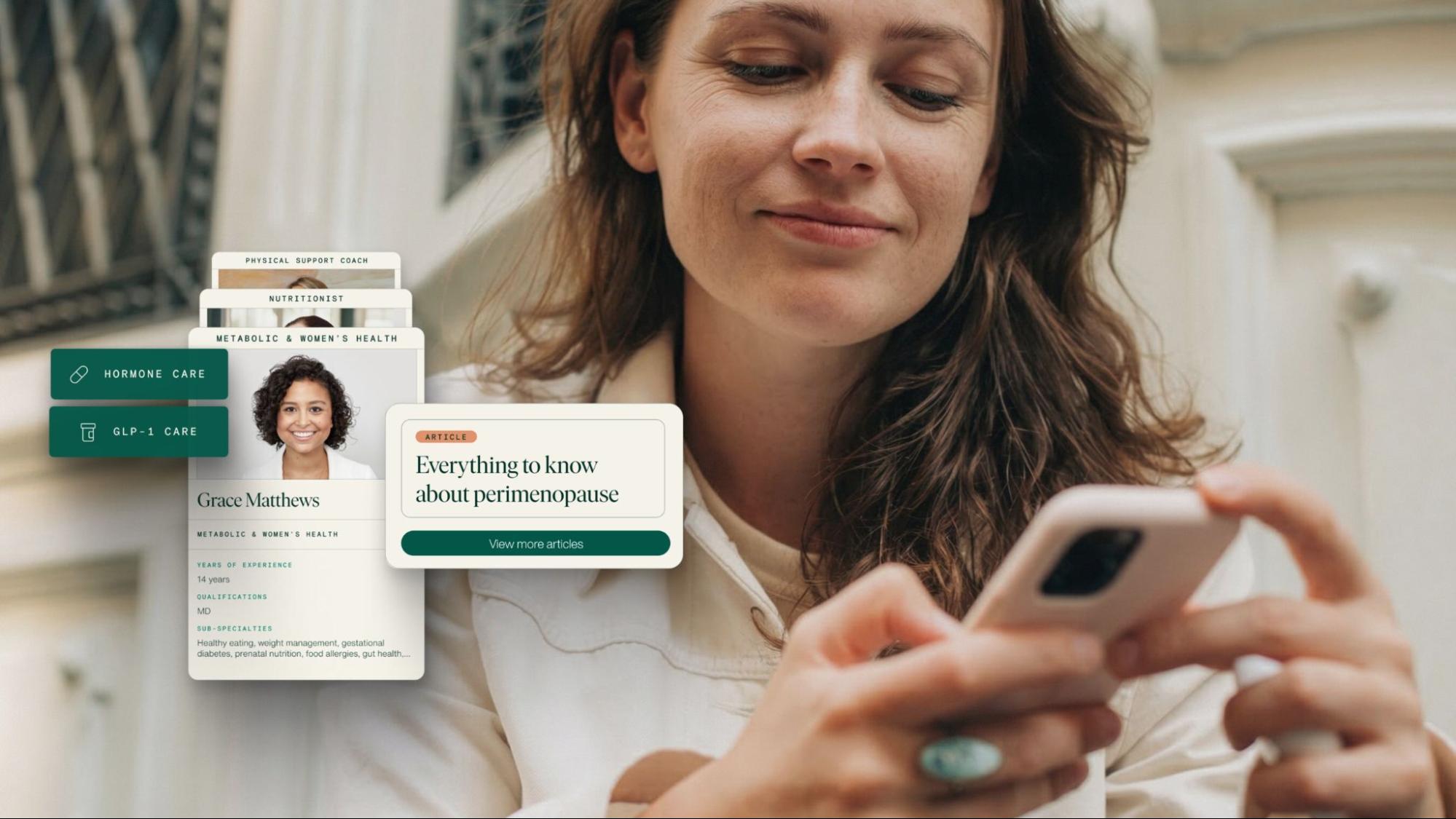
Maven’s platform attempts to address that fragmentation by creating a single virtual clinic spanning more than 30 specialties, including obstetrics and gynecology, mental health, nutrition, pediatrics, and physical therapy. The idea is that medical history and life stage—from fertility planning to postpartum recovery to menopause—can inform future care rather than remain isolated within separate systems.
Two of the platform’s most visible components reflect current debates in women’s health. One program focuses on GLP-1 medications, offering access to FDA-approved treatments for metabolic health alongside clinical monitoring and nutritional support. Another centers on hormone care, an area receiving renewed public attention as conversations around menopause and perimenopause become more visible in both medicine and popular culture.
The expansion also suggests a broader shift in digital health, where companies that initially built enterprise relationships are now reconsidering direct patient access. By opening its model to consumers while continuing partnerships with employers and insurers, Maven appears to be testing whether a unified virtual system can support women through multiple stages of life rather than addressing individual episodes of care in isolation.