The new “Best of Both Worlds” offering reflects a growing shift in travel, where curated, multi-location experiences are becoming central to how hospitality brands attract high-value travelers.
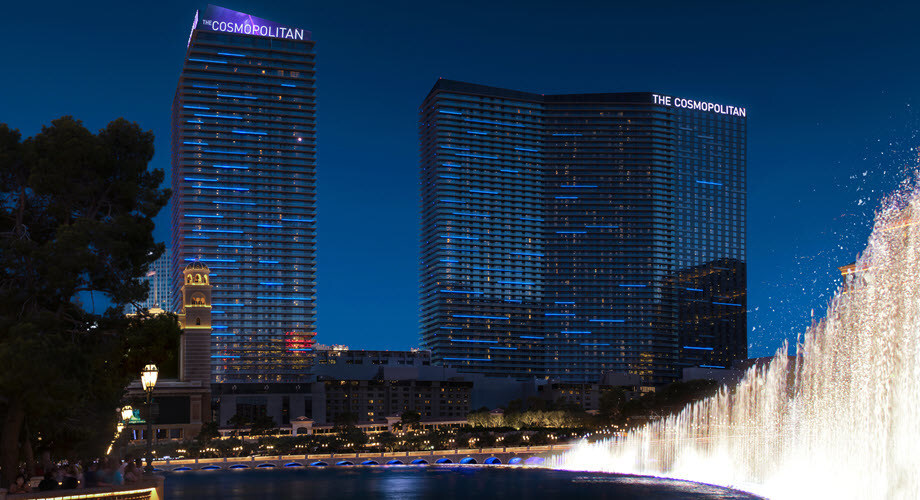
Marriott International, through its MGM Collection with Marriott Bonvoy partnership, has introduced a new series of travel packages designed to link Las Vegas with destinations around the world. The initiative, called “Best of Both Worlds,” combines entertainment-focused stays in Las Vegas with extended experiences in locations such as Italy, Ireland, and the Bahamas.
The concept builds on a broader trend in the travel industry, where experiences are increasingly curated across multiple destinations rather than confined to a single hotel or city. By connecting properties under a unified loyalty platform, Marriott is effectively turning travel into a sequence of coordinated moments, rather than a standalone booking.
Each package begins in Las Vegas, leveraging the city’s reputation for large-scale entertainment and hospitality, before extending to a second destination that emphasizes culture, leisure, or outdoor exploration. The structure suggests an attempt to balance high-energy urban experiences with more relaxed or immersive environments elsewhere.
Access to these packages is tied to Marriott Bonvoy’s points-based system, where members bid for experiences rather than simply redeeming stays. This approach reflects a shift in loyalty programs, which are increasingly positioning themselves as gateways to exclusive events and curated travel rather than just discounts or free nights.
The partnership between Marriott and MGM Resorts also highlights how hospitality companies are expanding through alliances that combine different strengths. MGM contributes entertainment-driven properties and programming, while Marriott provides global reach and a large membership base, allowing both companies to extend their influence without building entirely new infrastructure.
From a market perspective, the offering appears aimed at travelers seeking distinctive, high-touch experiences rather than traditional tourism. These consumers are often less price-sensitive and more focused on access, personalization, and memorable moments, making them a key target for premium travel brands.
At the same time, the model raises questions about how scalable such experiences are, given their reliance on limited availability and curated access. While they may enhance brand perception, their direct impact on overall occupancy and revenue may be more modest.
Still, the launch underscores a clear direction for the industry. As competition intensifies, travel companies are increasingly moving beyond accommodation to design experiences that connect places, activities, and narratives into a single journey.