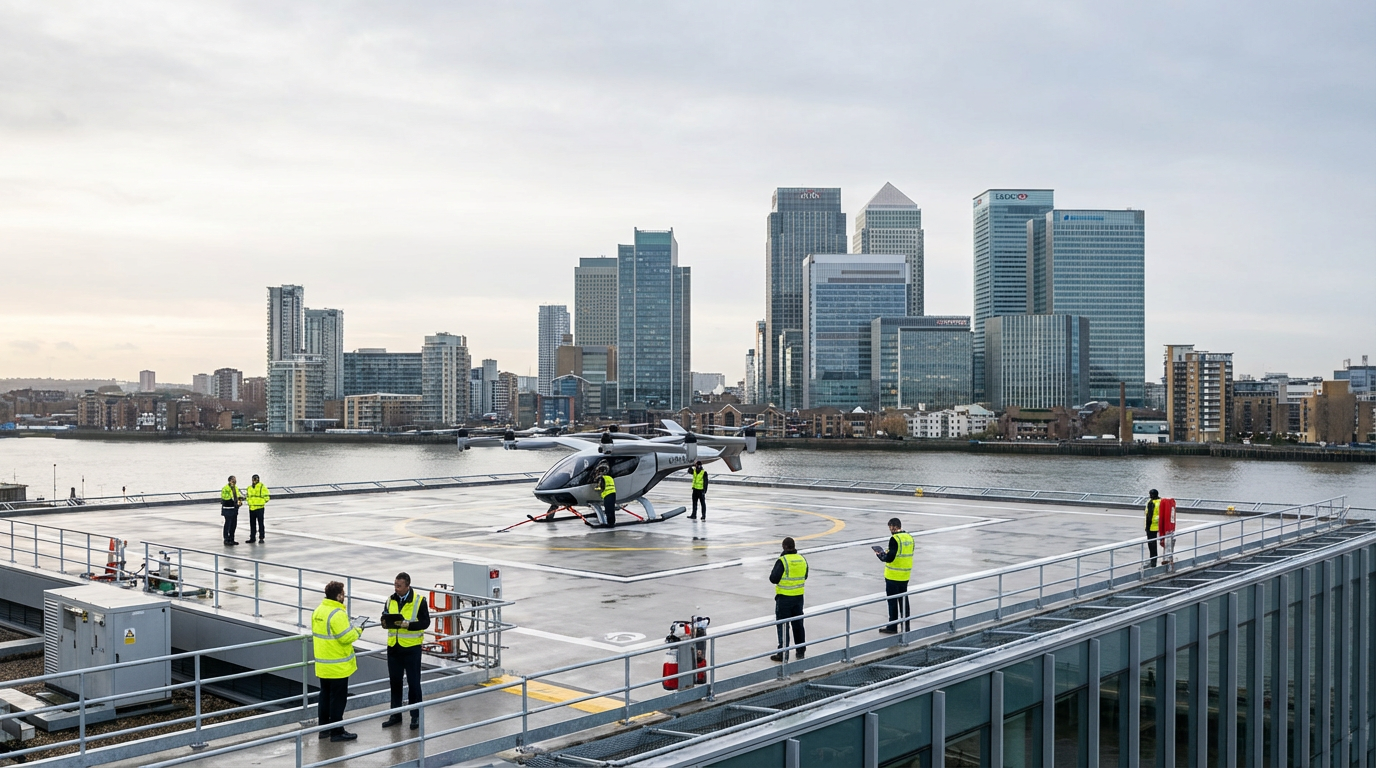
A proposed UK network linking Canary Wharf to major hubs by electric air taxi reflects growing confidence in eVTOLs, while underscoring the regulatory, infrastructure, and public trust hurdles still ahead.
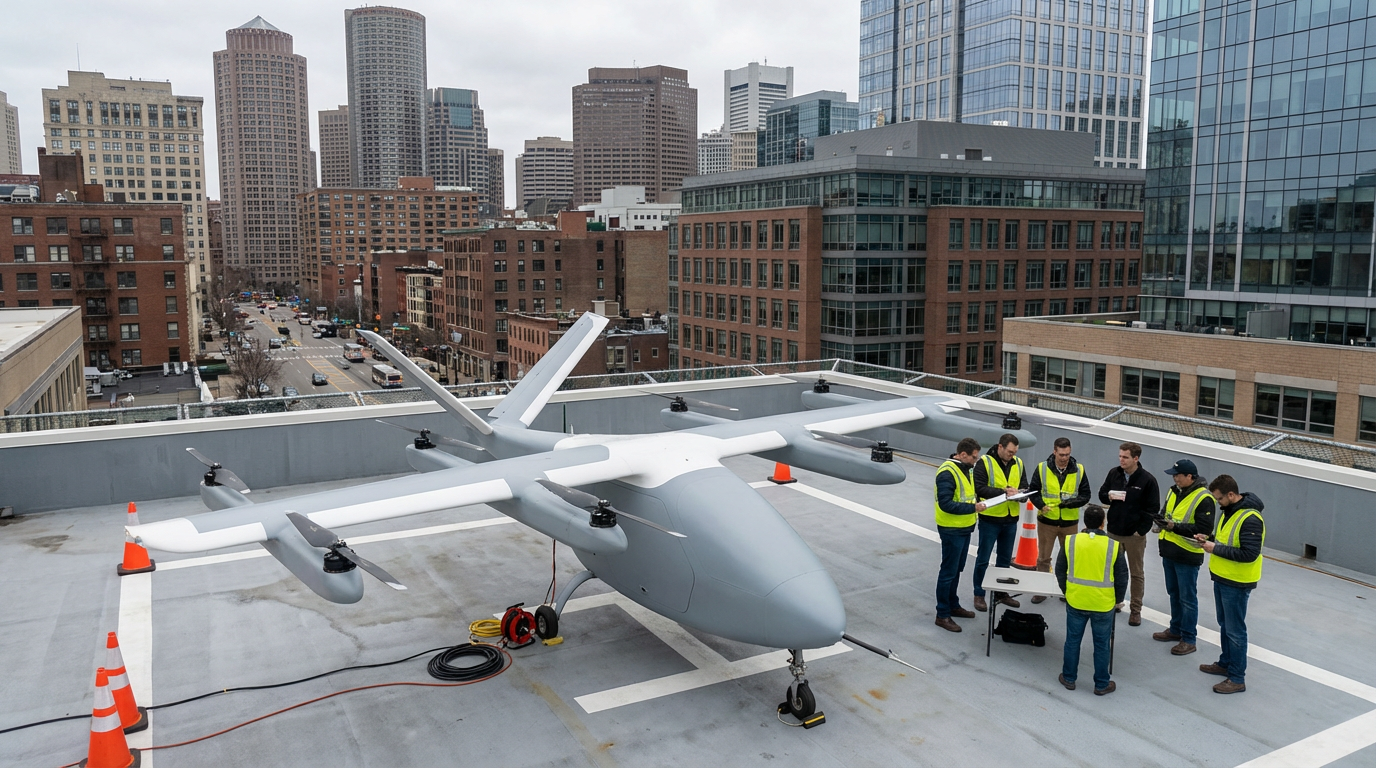
Vertical Aerospace has outlined plans to launch the United Kingdom’s first electric air taxi network, working with Skyports Infrastructure and Bristow to connect Canary Wharf with major transport hubs. The announcement places Vertical Aerospace at the center of a long-running question in urban mobility: whether electric vertical takeoff and landing aircraft can transition from experimental trials into everyday transport. By anchoring the proposal in London, one of the world’s most congested financial centers, the partners are betting that time savings will justify the complexity.
The proposed routes—linking Canary Wharf with Heathrow, Gatwick, Cambridge, and Oxford—are designed to compress journeys that currently take hours into flights lasting minutes. On paper, a 12-minute hop to Heathrow reframes how distance is experienced in the capital, particularly for business travel. Yet the significance lies less in headline journey times than in whether such services can operate reliably, affordably, and at sufficient scale to matter beyond early adopters.
What distinguishes this effort is its attempt to assemble the full ecosystem at once. Vertical provides the aircraft, Skyports the vertiports and heliport conversions, and Bristow the operational discipline of a seasoned aviation operator. This integrated approach reflects lessons from earlier air mobility experiments, where promising aircraft struggled without compatible infrastructure or certified operators.
The timeline, targeting a Q1 2029 launch, also highlights the long runway still required for certification and public acceptance. Electric air taxis must meet safety standards comparable to commercial airliners while navigating urban airspace, noise concerns, and community skepticism. Regulatory approval expected around 2028 suggests that even optimistic scenarios leave several years for technical validation and policy alignment.
Beyond London, the collaboration is framed as a blueprint for global urban air mobility, positioning the UK as a proving ground. If successful, it could demonstrate how dense cities integrate electric flight without overwhelming existing transport systems. If it falters, it may reinforce doubts that air taxis can move beyond showcase routes and corporate demonstrations.
Ultimately, Vertical Aerospace’s plan matters because it shifts the conversation from whether eVTOLs are possible to whether they are practical. By proposing specific routes, operators, and infrastructure, the project tests electric flight against real urban constraints rather than idealized conditions. The outcome will help determine whether air taxis become a niche premium service—or a meaningful new layer in how cities move people.