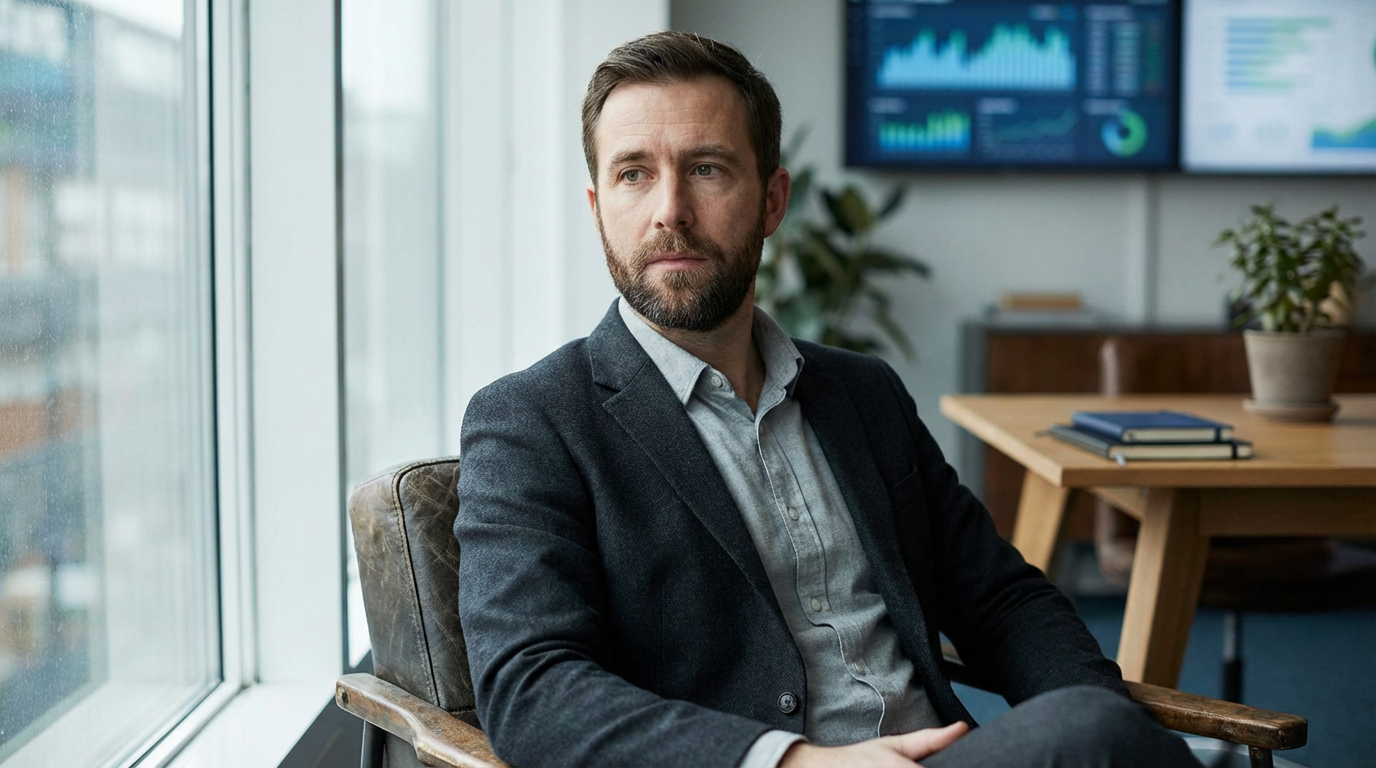
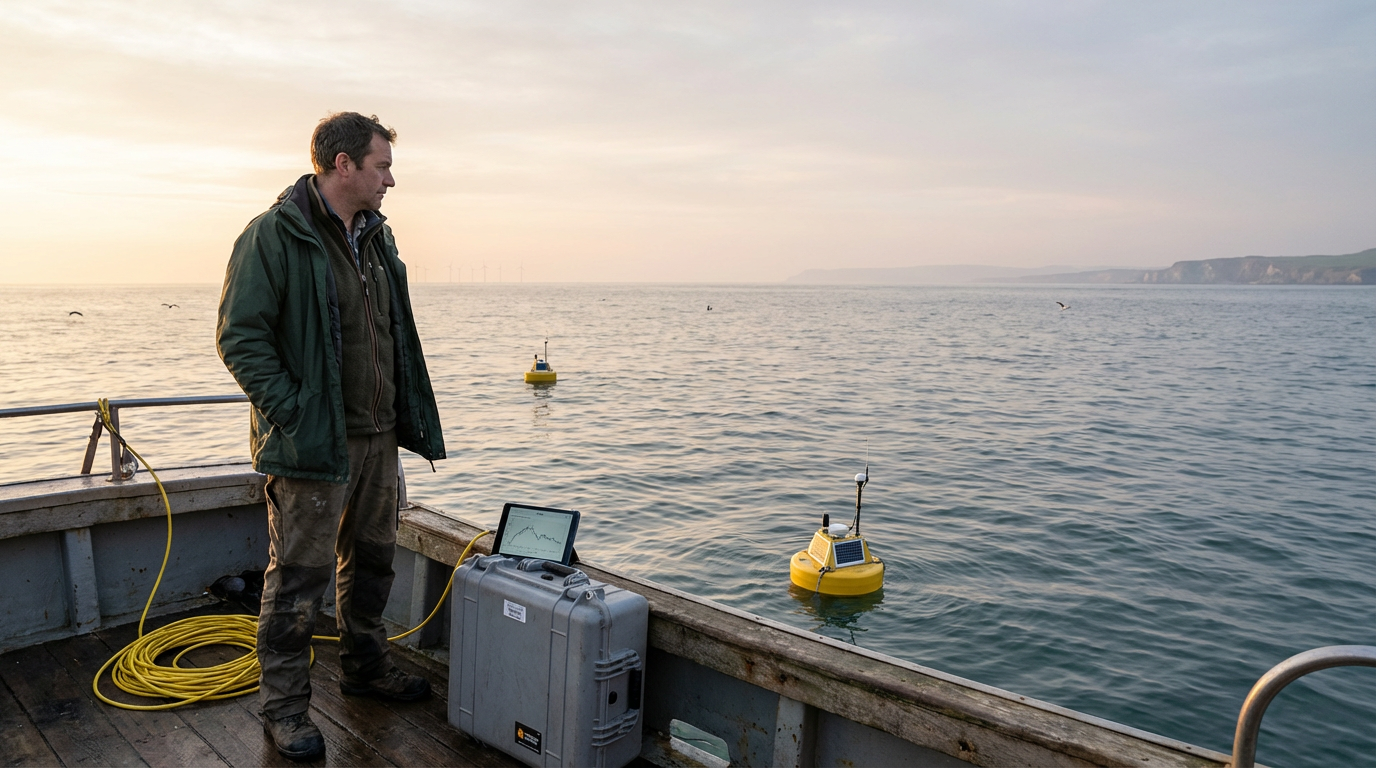
An interview with the CTO of an ocean-tech company on data integrity, environmental responsibility, and designing for the unknown
Key Takeaways
- Marine data must be collected responsibly to be trusted
- AI reveals patterns humans can’t see at ocean scale
- Reliability matters more than resolution in harsh environments
- Collaboration is essential in environmental technology
- Long-term monitoring beats short-term insights
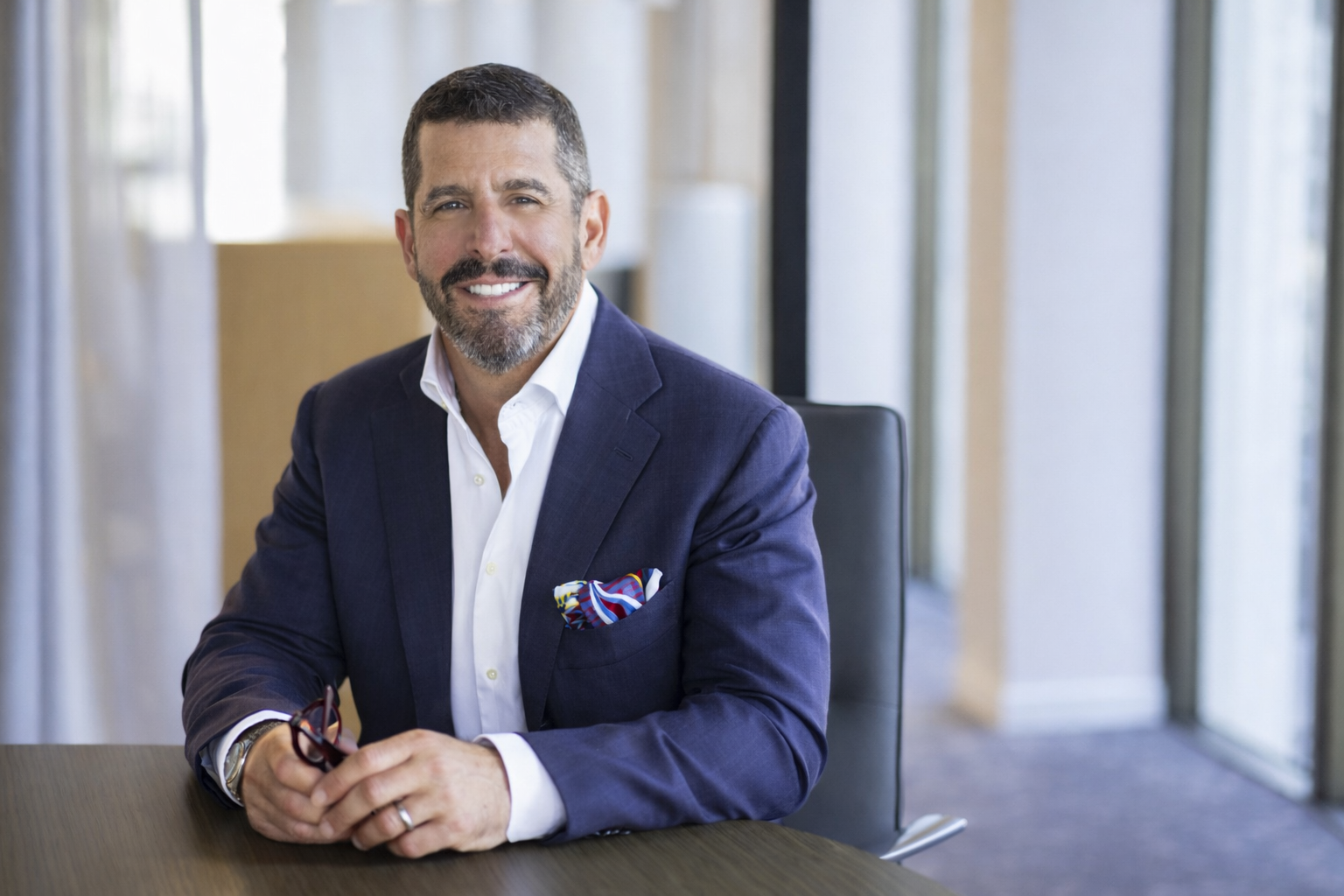
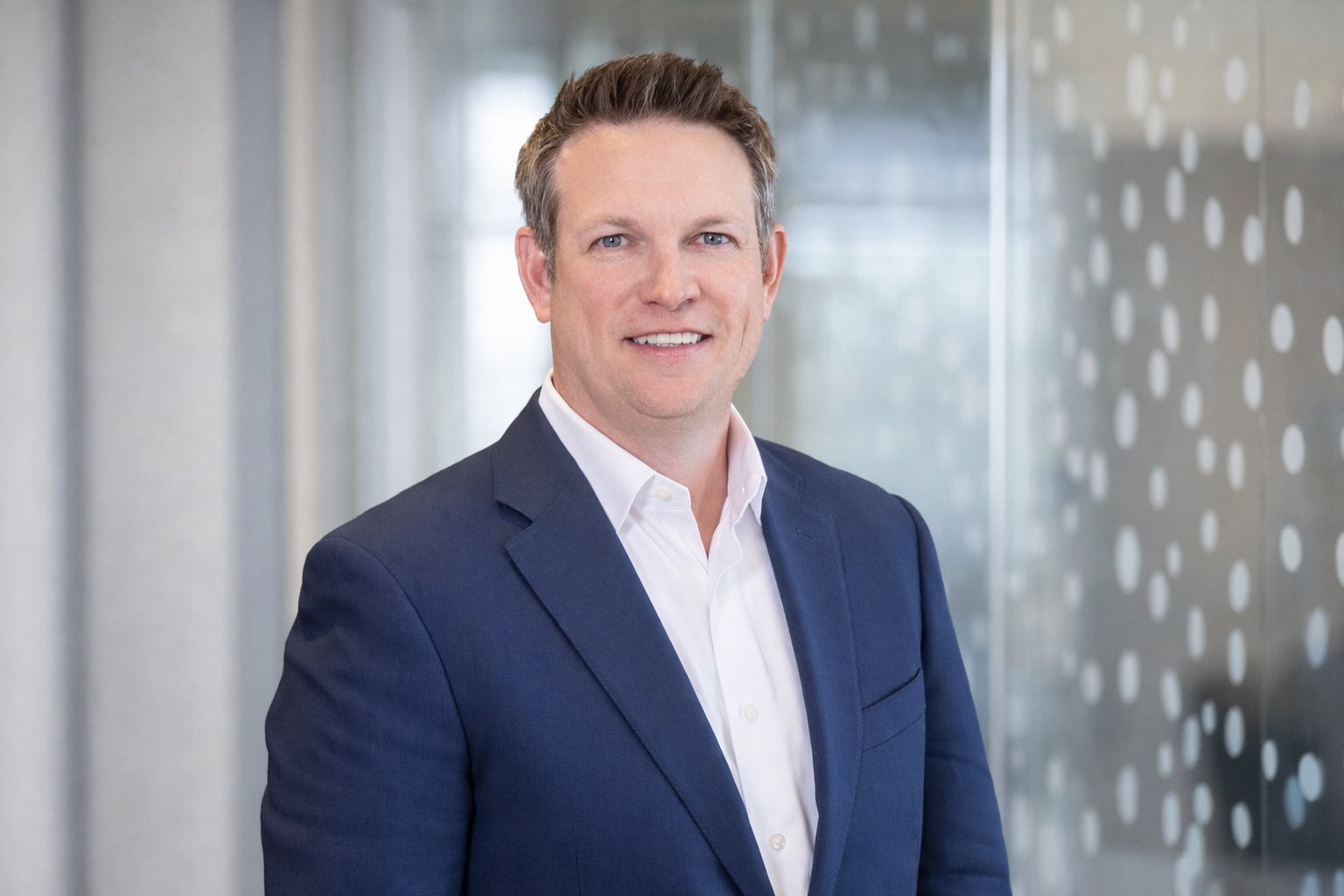
The ocean covers more than 70 percent of the planet, yet remains one of its least understood systems. Climate change, overfishing, and pollution are accelerating faster than traditional monitoring methods can track. For Dr. Liam O’Connell, Chief Technology Officer of the ocean-tech startup BlueCurrent Systems, the challenge is not just gathering more data, but gathering the right data—consistently, ethically, and at scale. With a background in marine engineering and applied machine learning, O’Connell has spent his career designing systems that operate where failure is the norm rather than the exception. In this interview, he discusses why ocean monitoring demands humility, how AI can surface invisible ecological shifts, and what it takes to build technology that earns the trust of scientists and policymakers alike.
Interview
Q1: What drew you to building technology specifically for marine ecosystems?
I’ve always been drawn to environments where the rules are different, and the ocean is the ultimate example of that. Early in my career, I worked on offshore sensor networks and saw how difficult it was to collect reliable data even a few meters below the surface. Saltwater corrodes everything, biofouling is relentless, and access is limited.
What motivated me was the realization that we were making global decisions about fisheries, conservation, and climate modeling based on surprisingly sparse data. BlueCurrent was founded on the idea that persistent, high-quality sensing—paired with intelligent analysis—could dramatically improve how we understand and protect marine ecosystems.
Q2: How do sensors and AI complement each other in your platform?
Sensors are our eyes and ears, but AI is what allows us to listen at scale. We deploy networks of acoustic, chemical, and optical sensors that collect continuous streams of data. On their own, those streams are overwhelming and noisy.
AI helps by identifying patterns over time—changes in species presence, shifts in water chemistry, anomalies that signal stress events. Importantly, the models are trained to respect uncertainty. The ocean is dynamic, and we don’t force false precision. Instead, we surface trends and probabilities that researchers and regulators can interpret within context.
Q3: Reliability must be a major challenge in such harsh conditions. How do you design for that?
We design assuming things will break. Hardware failure, data gaps, and communication dropouts are inevitable in marine environments. The question isn’t how to prevent failure entirely, but how to fail gracefully.
That philosophy shapes everything from redundant sensor arrays to models that can operate with incomplete data. We prioritize robustness over cutting-edge specs. A slightly less advanced sensor that works consistently for years is far more valuable than a high-resolution one that fails after a few months. Trust in environmental data comes from consistency, not novelty.
Q4: Environmental monitoring often involves many stakeholders. How do you approach collaboration?
Collaboration is non-negotiable in this space. We work closely with marine biologists, conservation groups, coastal communities, and government agencies. Each group brings different priorities and constraints.
Our role as a technology provider is to translate data into shared understanding. That means building tools that are transparent and accessible, not black boxes. When stakeholders can see how data is collected and interpreted, it becomes a foundation for alignment rather than debate. Technology should support cooperation, not complicate it.
Q5: As CTO, how do you balance innovation with environmental responsibility?
Environmental responsibility is the constraint that guides innovation. We’re very conscious of the footprint our deployments create—everything from installation impact to retrieval and end-of-life disposal.
On the AI side, responsibility means being cautious about conclusions. We’re careful not to overstate what the data shows or push predictive claims beyond their evidence. The ocean doesn’t need more certainty theater; it needs better signals and honest interpretation. My job is to make sure our technology earns its place in that conversation.
Looking Forward
BlueCurrent Systems represents a growing wave of ocean-tech companies aiming to make the invisible visible without oversimplifying complex ecosystems. O’Connell’s emphasis on reliability, collaboration, and humility challenges the idea that environmental breakthroughs come from technology alone. Instead, his perspective suggests that progress depends on listening carefully—both to the data and to the people who depend on it. As pressures on marine ecosystems intensify, tools that combine persistence with thoughtful analysis may become essential infrastructure for understanding the planet’s largest—and most fragile—system.