As airlines navigate expansion and integration challenges, Alaska Airlines’ appointment of Lindsay-Rae McIntyre reflects a growing emphasis on workforce strategy as a core driver of operational performance and customer experience.
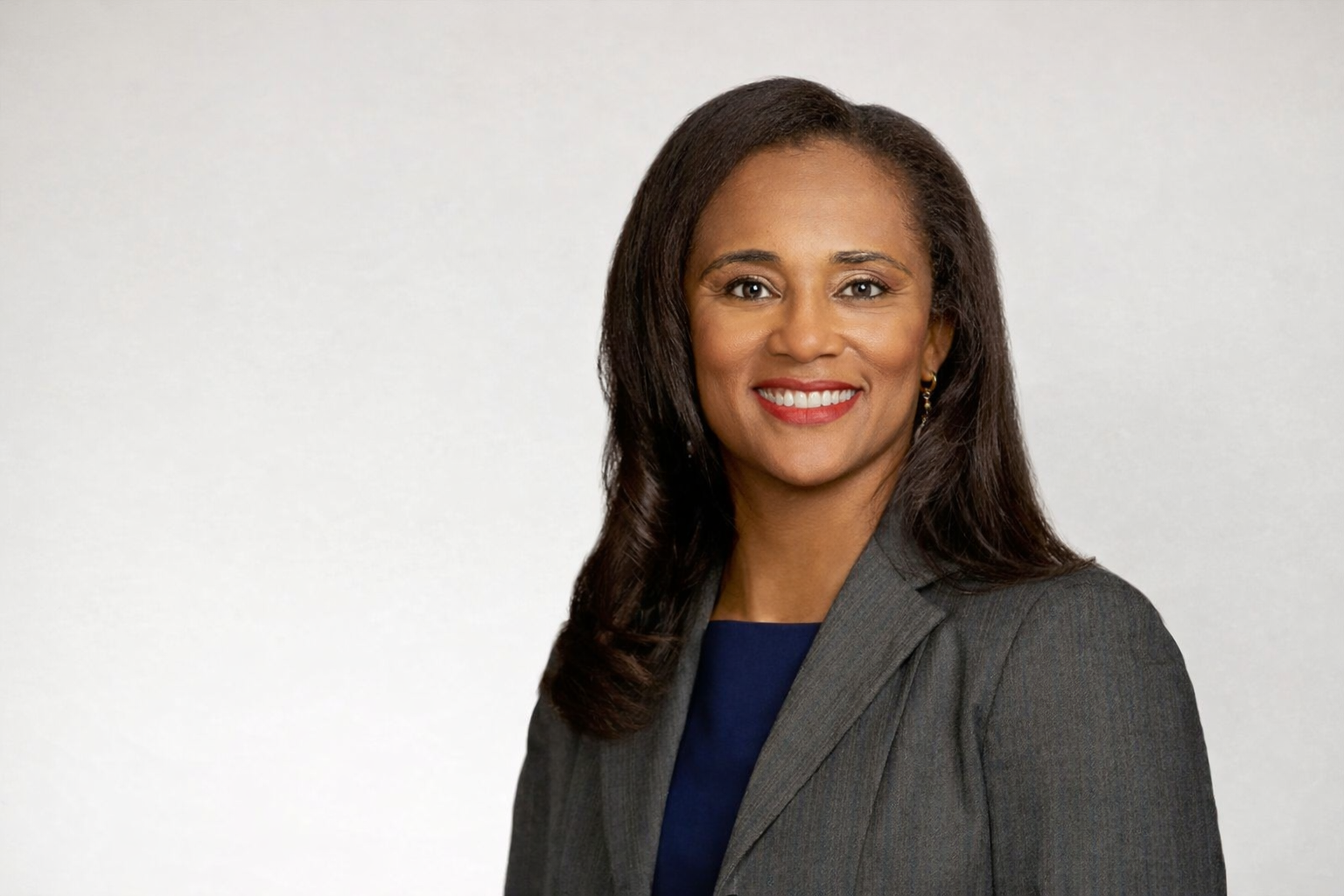
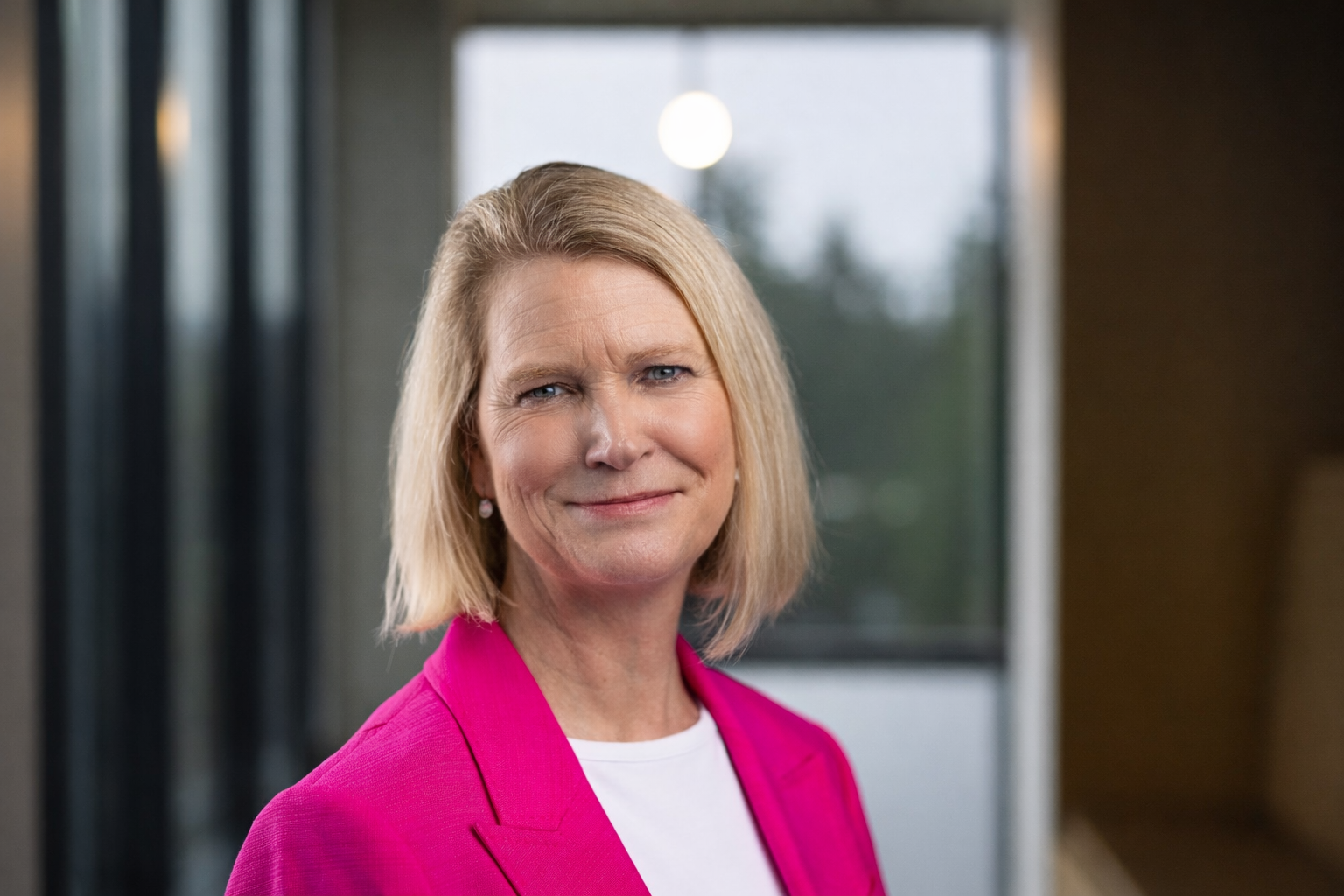
Alaska Airlines has named Lindsay-Rae McIntyre as its new Chief People Officer, placing a veteran of Microsoft and IBM in charge of talent, culture, and employee experience across the organization. The move comes as the airline continues to expand its global footprint and integrate operations with Hawaiian Airlines, increasing the complexity of its workforce and leadership needs.
McIntyre brings nearly three decades of experience in human resources and organizational leadership, including global roles that spanned multiple regions and industries. Her background in managing large-scale talent systems and leadership development initiatives suggests a focus on aligning workforce strategy with long-term business goals.
The timing of the appointment highlights how people operations are becoming increasingly central in industries where service delivery depends heavily on frontline employees. For airlines in particular, workforce engagement, training, and retention are closely tied to operational reliability and customer satisfaction, especially during periods of growth or structural change.
Alaska Airlines’ ongoing integration with Hawaiian Airlines adds another layer of complexity, requiring coordination across different cultures, systems, and employee groups. Leadership in human resources becomes critical in such transitions, helping to maintain consistency while navigating organizational change.
McIntyre’s experience in technology companies may also signal an evolving approach to workforce management, where data-driven decision-making and scalable talent systems play a larger role. As airlines adopt more digital tools and processes, similar approaches to workforce planning and development are likely to follow.
Leadership appointments of this kind often indicate broader strategic priorities. In Alaska Airlines’ case, the emphasis on a dedicated people strategy suggests that growth will be shaped not only by network expansion and fleet investment, but also by how effectively the company supports and aligns its workforce.
The appointment ultimately reflects a wider trend across industries, where talent and culture are increasingly viewed as competitive advantages. For airlines balancing operational demands with customer expectations, investing in leadership at the people level may prove as important as any technological or infrastructural advancement.