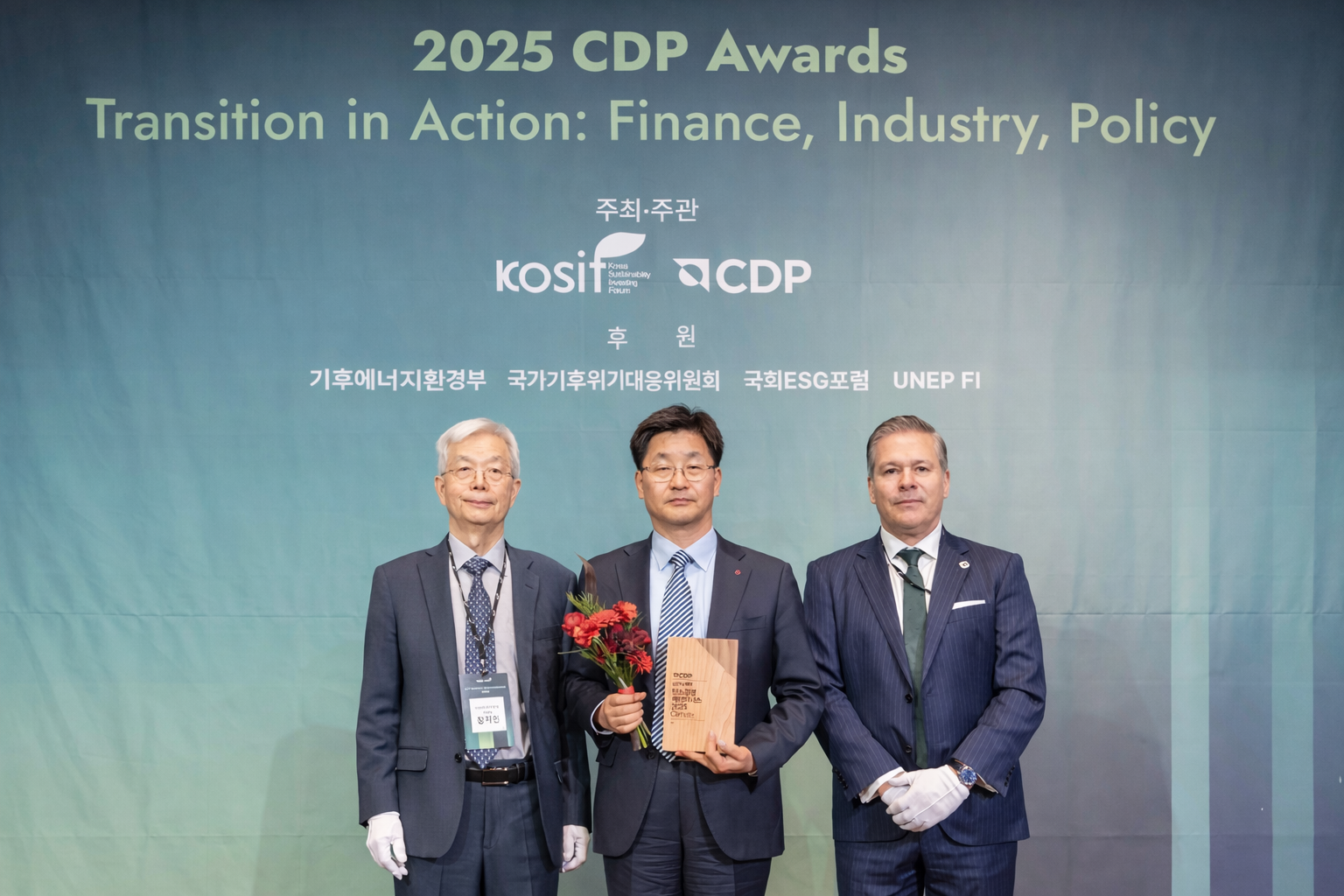
The electronics component manufacturer joins a small group of companies receiving the Carbon Disclosure Project’s highest climate score, reflecting growing investor attention on how global firms measure and manage emissions.
LG Innotek has received the highest “Leadership A” rating in the Carbon Disclosure Project’s latest climate change assessment, marking the third consecutive year the company has earned the distinction. The South Korean electronics component manufacturer was among roughly 3 percent of the more than 22,000 companies evaluated worldwide, according to results released by the global environmental disclosure organization.
The Carbon Disclosure Project, commonly known as CDP, collects environmental data from companies on behalf of investors and other stakeholders seeking greater transparency on climate-related risks. Its annual evaluations have become an influential benchmark in environmental reporting, particularly for multinational firms operating across complex supply chains.
LG Innotek’s ranking reflects ongoing efforts tied to its pledge to reach carbon neutrality by 2040. Over the past year, the company reported shifting more than 60 percent of the electricity used across its global operations to renewable sources, drawing power through mechanisms such as purchase agreements with renewable energy suppliers and on-site solar installations.
These changes address a key challenge for manufacturing and technology companies: electricity consumption often represents a large share of corporate emissions. By increasing its use of renewable energy and improving energy efficiency in production processes, LG Innotek aims to reduce the environmental footprint associated with producing components used in smartphones, automotive electronics, and other digital devices.
The company also received “Carbon Management Sector Honors” recognition within the information technology sector at the CDP Korea Conference, marking the seventh consecutive year it has been acknowledged in the program’s climate assessment. Such distinctions increasingly influence how investors and regulators evaluate corporate sustainability strategies.
For global manufacturers, climate disclosure initiatives like CDP are becoming a central part of corporate governance rather than a voluntary add-on. As pressure grows from investors, customers, and governments, companies are not only expected to set emissions targets but also to demonstrate measurable progress in reducing the energy intensity of their operations.