A new partnership tied to the NCAA Final Four highlights how corporations are increasingly stepping into campus mental health initiatives, where demand for support continues to outpace available resources.
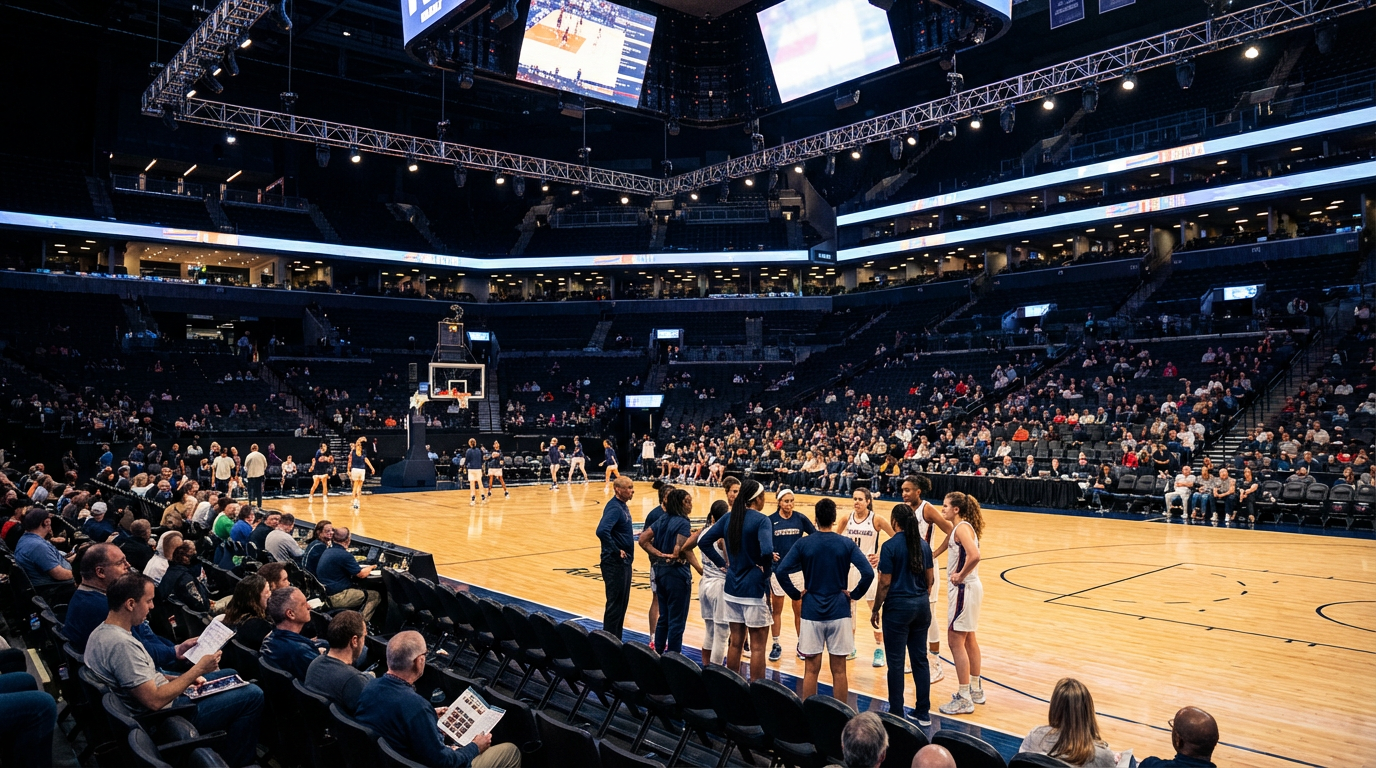
LG Electronics USA is working with the National Alliance on Mental Illness (NAMI) to fund and expand mental health programs at universities hosting the 2026 NCAA Final Four tournaments. The initiative includes direct financial support to Indiana University Indianapolis and Arizona State University, as well as programming aimed at raising awareness and strengthening peer support networks among students.
The effort reflects growing recognition of the pressures faced by student-athletes, who often balance academic responsibilities with the demands of high-level competition. In recent years, conversations around mental health in collegiate sports have become more prominent, driven by both athlete advocacy and broader societal awareness. Programs like NAMI On Campus seek to address these challenges by normalizing discussion and improving access to resources.
LG’s involvement builds on a longer-term commitment to student mental health, with the company reporting more than $2.5 million in related support since 2022. By tying its efforts to major sporting events, the company is leveraging moments of national attention to amplify awareness, while also directing resources to specific campuses where engagement is likely to be highest.
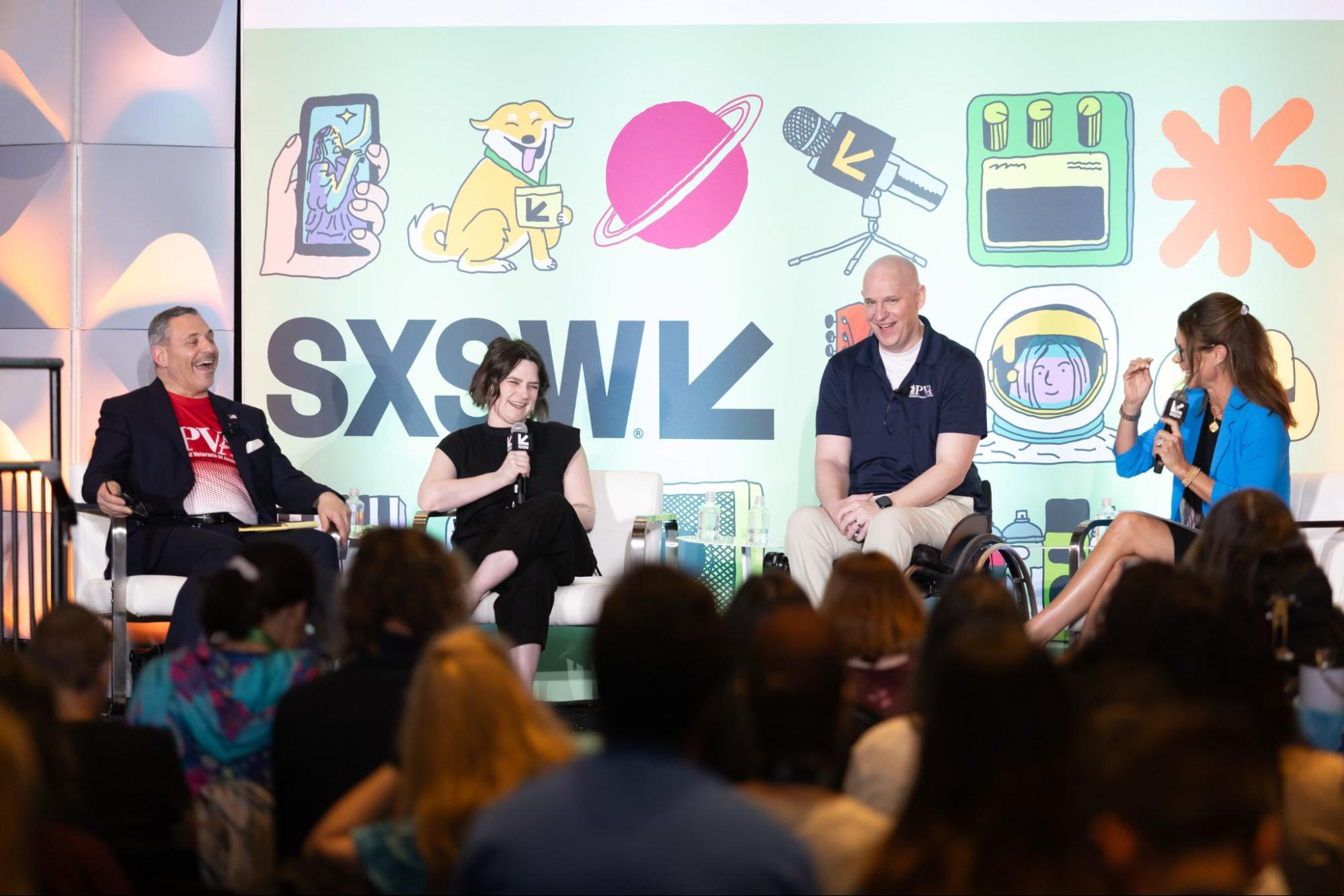
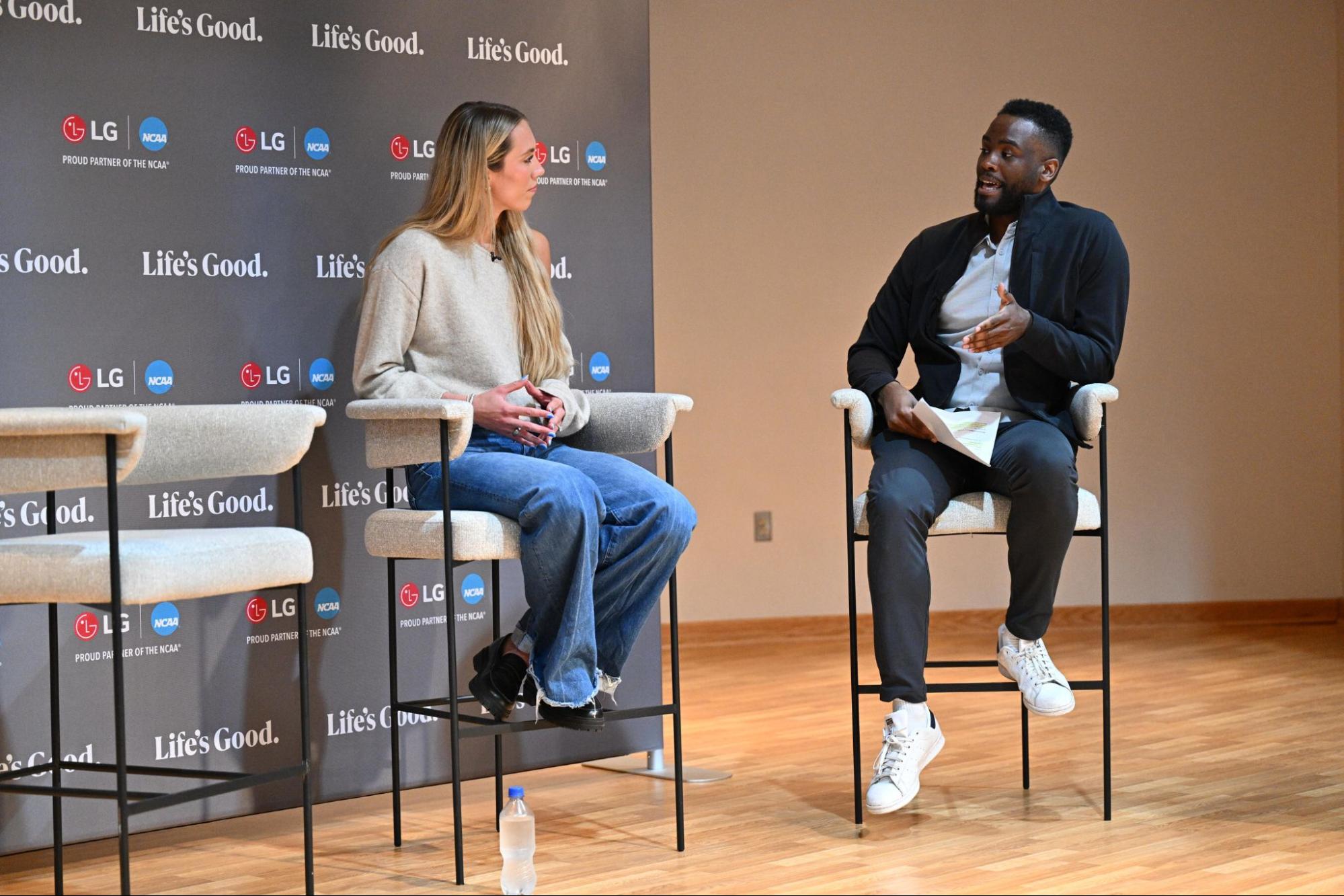
Beyond funding, the initiative includes on-campus discussions and outreach activities, including conversations with current and former athletes about managing stress and maintaining well-being. These elements suggest an emphasis on community-building, where peer interaction and shared experience play a central role in addressing mental health challenges.
At the same time, the scale of the initiative highlights an ongoing gap between institutional needs and available support. While targeted funding and programming can provide meaningful benefits, they also underscore how dependent many campuses remain on external partnerships to expand mental health services.
LG’s collaboration with NAMI illustrates how private-sector involvement is becoming part of the broader response to student mental health concerns. As awareness continues to grow, the effectiveness of such efforts may depend on their ability to create sustained, integrated support systems rather than one-time interventions tied to high-profile events.