As longevity research moves into mainstream health discussions, Lancôme is positioning skincare within that same scientific framework, suggesting that beauty products may increasingly reflect broader shifts in how aging is understood and managed.
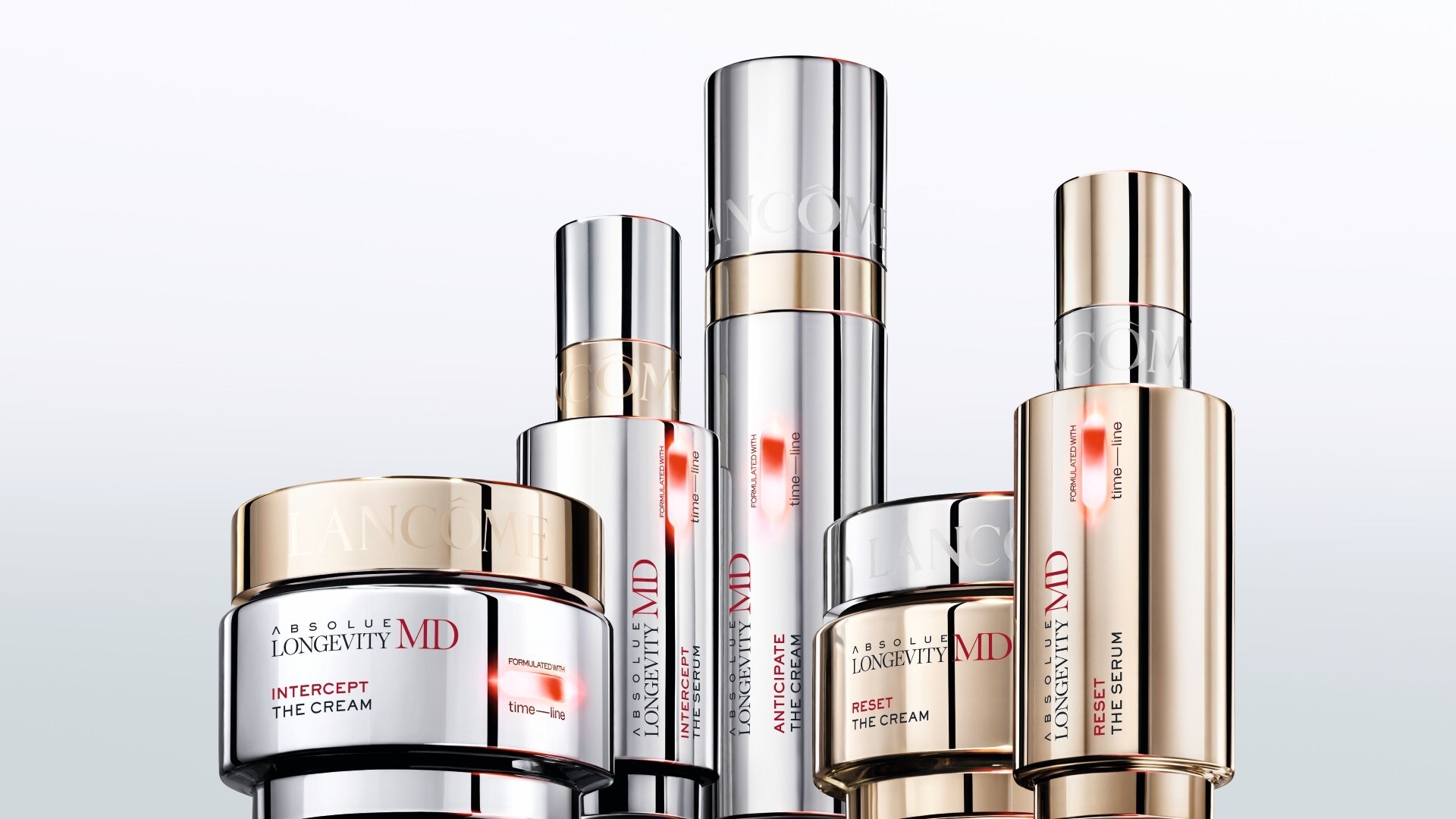
Lancôme has introduced its Absolue Longevity MD line, presenting it as a step toward aligning skincare with advances in longevity science. The launch reflects a growing interest in “health span,” a concept focused not just on living longer but maintaining function and vitality over time.
The company’s approach centers on the idea that skin, as the body’s largest organ, can serve as a visible indicator of biological aging rather than just chronological age. This perspective reframes skincare as something more than cosmetic maintenance, suggesting it could play a role in how people interpret and respond to aging itself.
At the core of the new range is the introduction of Urolithin-A, a compound previously associated with dietary supplements, into topical skincare. By incorporating Mitopure®, a form of the ingredient developed through biotech research, Lancôme is effectively translating developments from nutritional science into consumer beauty products.
The product line is structured around three stages—anticipate, intercept, and reset—each corresponding to different phases of visible skin aging. This tiered framework reflects a more segmented view of aging, where interventions are tailored not by age alone but by observable biological changes over time.
Such positioning aligns with a broader industry trend toward personalization and preventive care, where products are designed to respond to specific conditions rather than offer generalized benefits. It also underscores the increasing role of scientific language and clinical validation in shaping consumer expectations around skincare.
However, the move raises questions about how far cosmetic products can meaningfully intersect with longevity science. While the underlying research into mitochondrial health and cellular function is well established, translating these findings into topical applications remains an area of ongoing exploration.
Lancôme’s launch ultimately illustrates how the beauty industry is evolving alongside advances in health science. As distinctions between wellness, biotechnology, and consumer products continue to blur, skincare may increasingly serve as a visible entry point into more complex conversations about aging and long-term health.