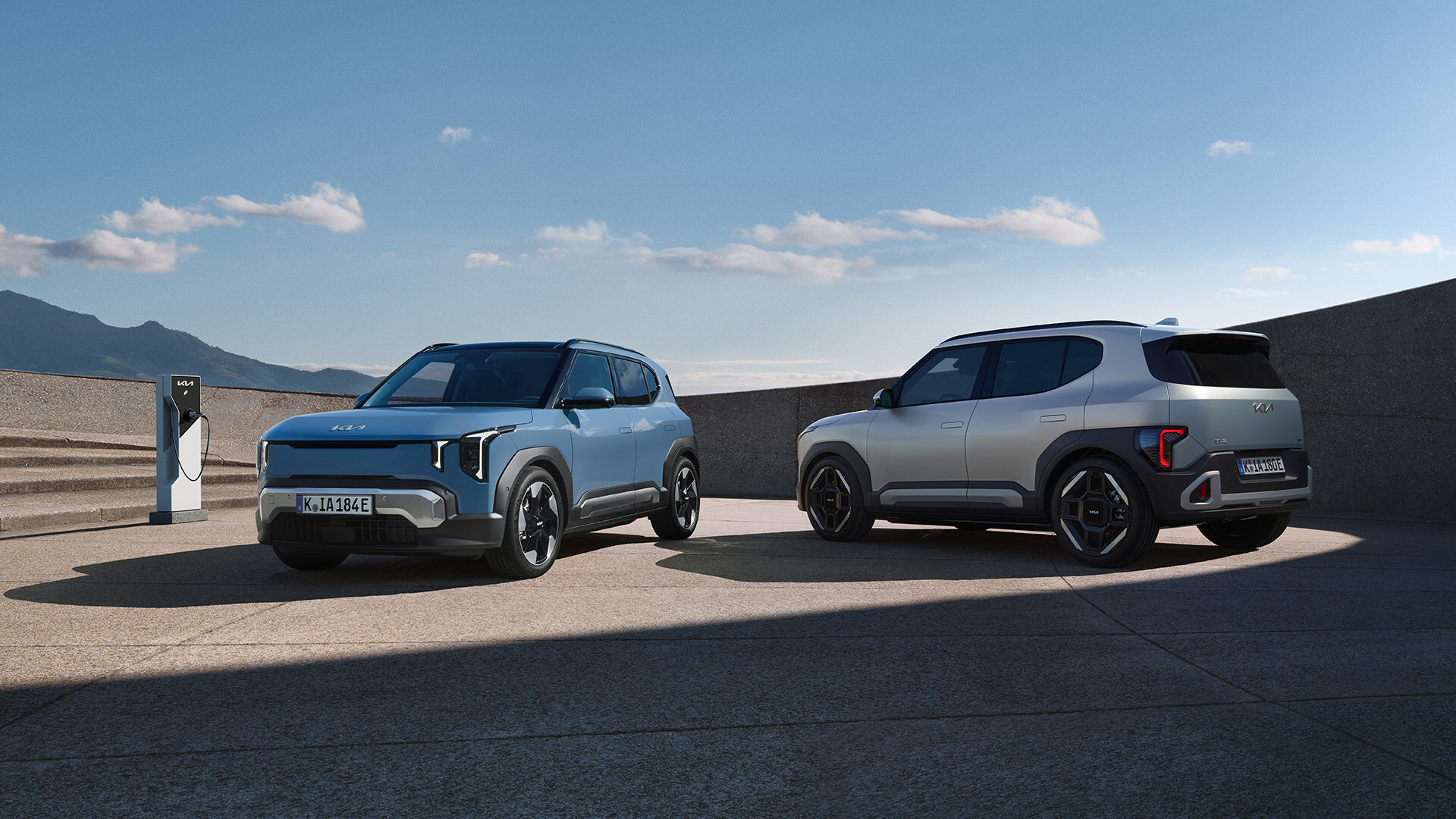
By focusing on emotional storytelling rather than specifications, Kia’s latest campaign suggests a shift in how automakers position entry-level electric vehicles to broader audiences
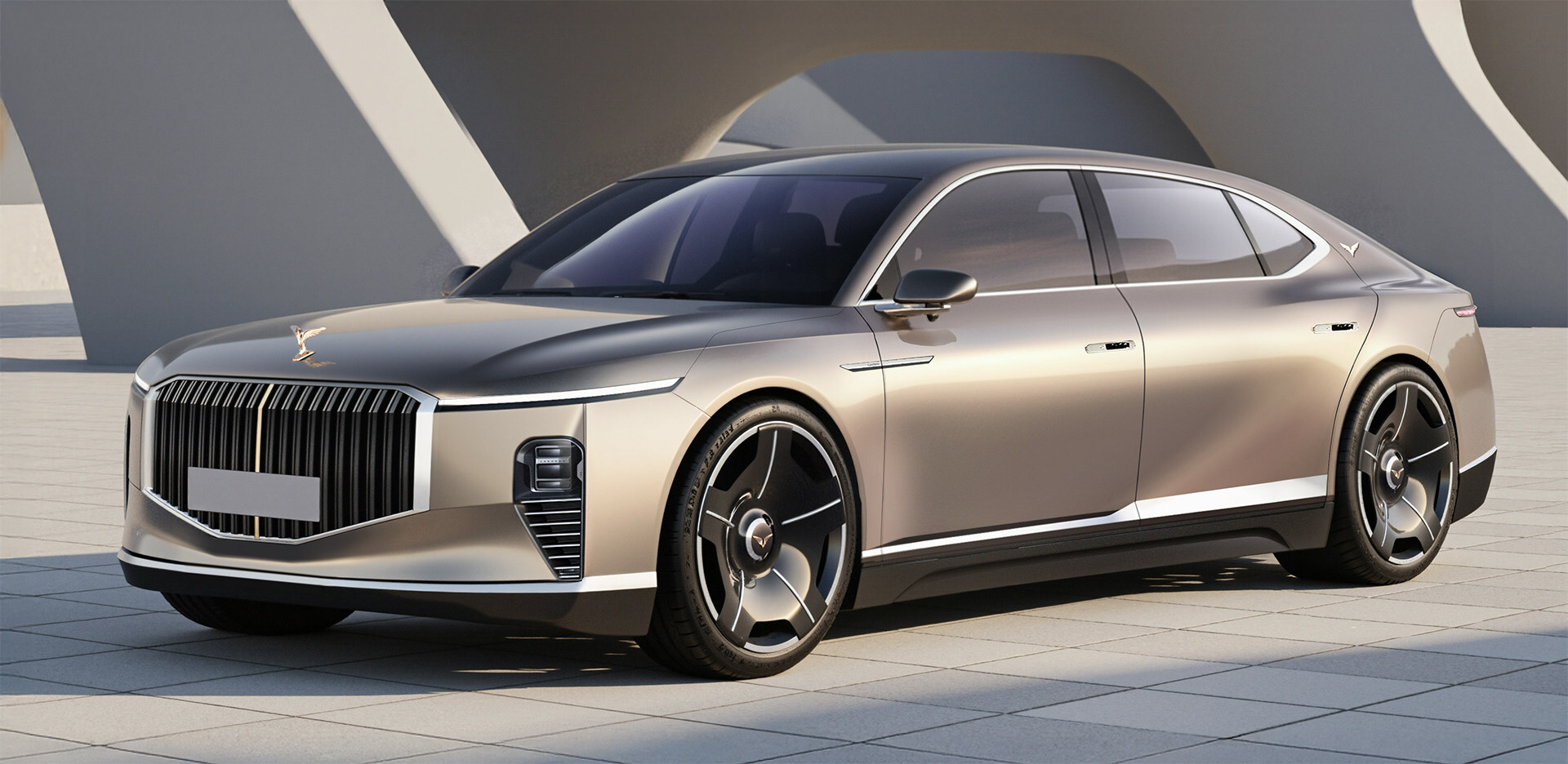
Kia Europe has introduced a new campaign to support the launch of its smallest electric vehicle, the EV2, signaling a change in how entry-level electric cars are presented to consumers. Rather than emphasizing technical features or performance metrics, the campaign centers on personal experiences, framing the vehicle as part of meaningful life moments.
This approach reflects a broader evolution in automotive marketing, particularly as electric vehicles move beyond early adopters into more mainstream markets. The EV2, positioned as an accessible entry point into Kia’s electric lineup, is designed to appeal to new and younger audiences who may be encountering electric mobility for the first time. By focusing on “firsts”—such as initial independence or new creative pursuits—the campaign attempts to align the product with transitional life stages rather than purely functional benefits.
The strategy also highlights how emotional narratives are becoming more prominent in an increasingly competitive EV landscape. As technical differences between models narrow and regulatory pressures push widespread adoption, automakers are looking for ways to differentiate beyond range and charging speed. Storytelling that emphasizes identity and experience may offer a way to connect with consumers who view vehicles as extensions of lifestyle rather than purely utilitarian tools.
Kia’s use of a multi-channel, phased campaign further underscores the importance of sustained engagement. By combining traditional media with social-first content and planned collaborations with creators, the company is building a narrative that evolves over time rather than relying on a single launch moment. This reflects a broader shift toward ongoing brand storytelling, particularly in digital environments where attention is fragmented.
The EV2 itself represents a strategic addition to Kia’s expanding electric portfolio, but the campaign surrounding it may be equally significant. As electric vehicles become more common, how they are introduced—and the values they are associated with—may play a critical role in shaping consumer perception. In that sense, Kia’s campaign suggests that the transition to electric mobility is as much cultural as it is technological.