The appointment signals growing urgency around power efficiency, as industries tied to AI, electrification, and data centers push existing energy systems toward their limits.
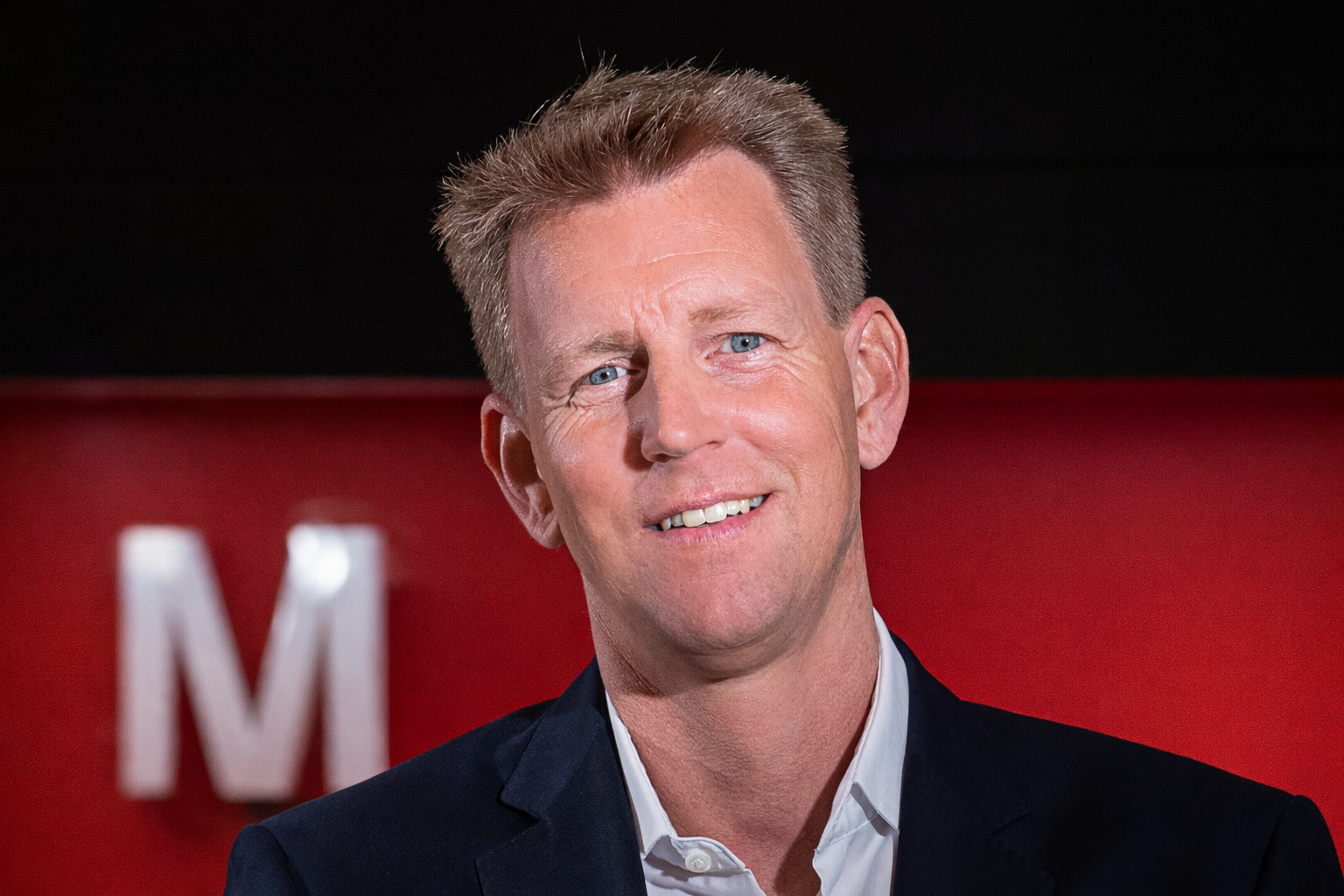
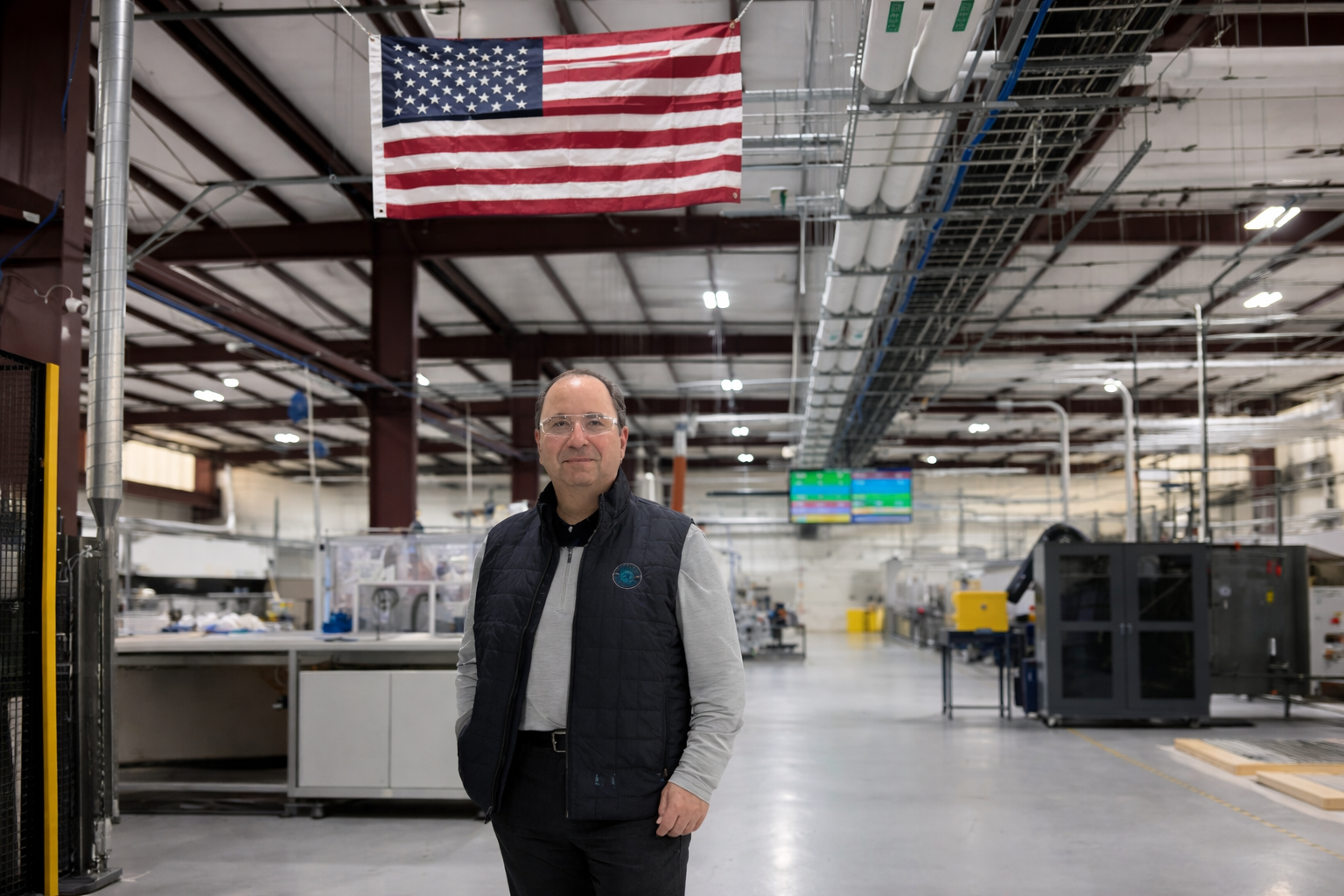
MetOx International has appointed Keyvan Esfarjani as executive chairman, bringing a veteran of large-scale technology operations into a company focused on high-temperature superconducting power systems. The move comes as demand for energy-intensive computing and electrification continues to test the limits of current infrastructure.
Esfarjani’s background includes decades at Intel, where he oversaw global manufacturing and supply chains during periods of rapid technological change. His experience managing complex, high-performance systems appears aligned with MetOx’s ambition to transition superconducting technology from research to widespread industrial use.
High-temperature superconductors, which can transmit electricity with minimal energy loss, have long been viewed as a promising but difficult-to-scale solution. As energy consumption rises—driven in part by artificial intelligence, data centers, and broader electrification—interest in such technologies is gaining renewed attention.
MetOx is positioning its superconducting wire as a potential building block for next-generation power networks, particularly in applications where efficiency and power density are critical. These include grid modernization, industrial systems, and emerging computing environments that require large amounts of reliable electricity.
The appointment also reflects a broader pattern in deep technology sectors, where companies seek leadership with operational expertise to bridge the gap between innovation and commercialization. Moving from laboratory breakthroughs to scalable production often depends as much on manufacturing discipline and supply chain management as on the underlying technology.
At the same time, the timeline for widespread adoption of superconducting infrastructure remains uncertain. Challenges related to cost, deployment complexity, and integration with existing systems continue to shape how quickly such technologies can move into mainstream use.
Still, the direction of travel is becoming clearer. As energy demand grows and efficiency becomes a central constraint, solutions that reduce transmission losses and improve system performance are likely to gain importance.
By bringing in leadership with experience in scaling global technology ecosystems, MetOx is signaling that its next phase will focus less on proving the concept and more on making it viable at scale. Whether superconducting systems can meet that ambition will depend on how effectively technical promise translates into practical deployment.