From wool socks in 1876 to patented innerwear technologies today, the family-owned brand reflects on its legacy while positioning itself for a new generation of consumers.
Jockey is marking its 150th anniversary, a milestone that places the Wisconsin-based company among a small group of American apparel brands with roots stretching back to the 19th century. Founded in 1876 as S.T. Cooper & Sons, the business began with wool hosiery before evolving into what would become one of the most recognizable names in underwear.
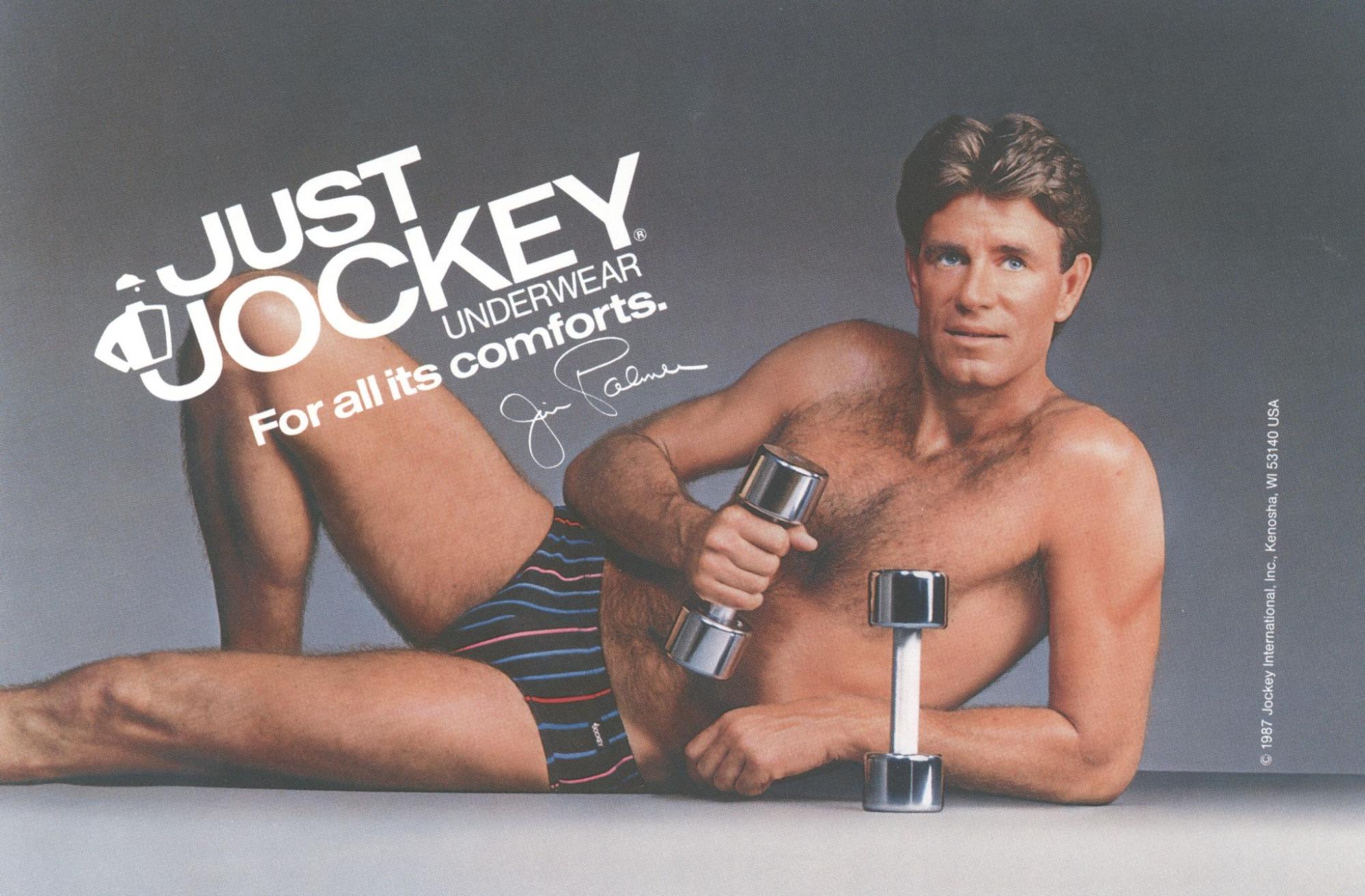
Over the decades, Jockey has played a defining role in shaping the modern innerwear category. The company introduced innovations such as the Y-Front® brief and has continued to invest in fabric technologies and fit development, building a portfolio of patents and trademarks that reflects its influence on how foundational garments are designed and marketed.
Anniversaries often serve as moments of both reflection and repositioning, and Jockey’s celebration includes the release of a limited-edition 1876 Collection inspired by archival designs. Heritage silhouettes have been updated with contemporary materials and fits, signaling an effort to connect long-standing brand equity with current consumer expectations.
The company remains family-owned, a detail that has become increasingly rare in large-scale apparel manufacturing. That continuity of ownership has shaped its identity as a heritage brand, even as it expanded distribution to more than 120 countries and aligned itself with cultural and athletic partnerships over time.
Beyond product releases, Jockey’s anniversary year includes broader marketing initiatives and collaborations aimed at reinforcing relevance in a competitive apparel market. Such efforts reflect the realities facing legacy brands: longevity alone does not guarantee resonance with younger consumers.
At its core, the company’s story is one of adaptation. From industrial-era manufacturing to global retail networks and evolving textile technologies, Jockey has navigated multiple shifts in fashion, supply chains and consumer behavior.
Reaching 150 years underscores durability not only in fabric but in business strategy. As the brand looks ahead, the challenge will be balancing its reputation for dependable comfort with the need to innovate in an industry defined by rapid change and shifting cultural trends.