As autonomous vehicle development moves beyond controlled environments, International Motors’ latest pilot suggests the industry is entering a phase where real-world deployment, not experimentation, will determine viability.
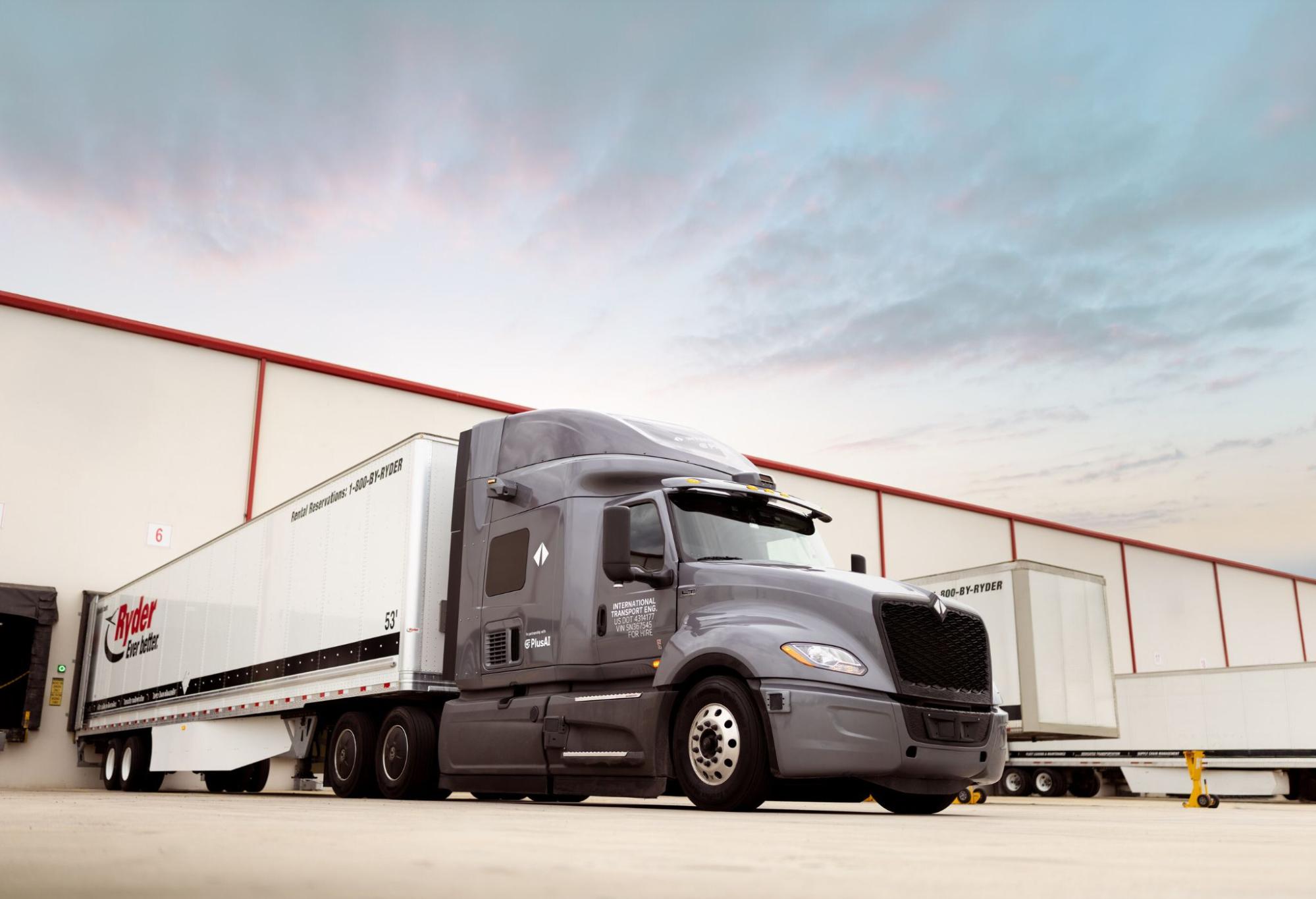
International Motors has launched a Level 4 autonomous truck trial in partnership with Ryder, placing a factory-integrated autonomous vehicle into a live freight operation along a 600-mile route in Texas. The pilot is designed to evaluate how autonomous systems perform within existing logistics networks rather than isolated test scenarios.
Unlike earlier trials that often relied on dedicated infrastructure or limited operational scope, this initiative focuses on integrating autonomy into standard fleet operations. By running daily routes between established logistics hubs, the program aims to test reliability, timing, and efficiency under conditions that mirror real commercial demands.
Initial results indicate that the technology can meet baseline operational expectations, including consistent delivery times and high levels of autonomous route coverage with human supervision. These early indicators suggest that autonomy may be approaching a stage where it can complement, rather than disrupt, existing supply chain workflows.
A key aspect of the trial is its emphasis on factory integration, with sensors and software built directly into the vehicle rather than added as aftermarket components. This approach reflects a broader industry shift toward treating autonomy as a core vehicle capability, potentially simplifying deployment and maintenance over time.
The collaboration also highlights the importance of partnerships in advancing autonomous logistics. By combining vehicle manufacturing, fleet operations, and AI driving systems, companies are attempting to address not only the technical challenges but also the operational and economic considerations tied to large-scale adoption.
At the same time, the continued presence of a human safety driver underscores the transitional nature of current deployments. While autonomy is advancing, regulatory, safety, and reliability concerns still shape how and where the technology can be used.
International Motors’ pilot ultimately illustrates a turning point for autonomous trucking. The focus is shifting from proving that the technology works to understanding how it fits into everyday logistics, a step that may prove more decisive in determining its long-term role in the transportation industry.