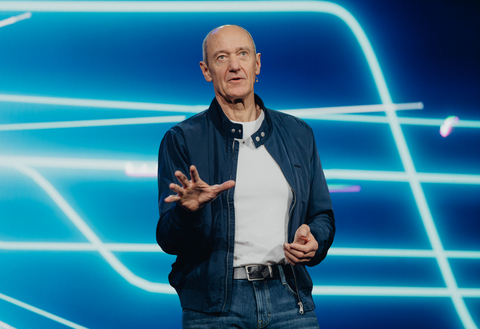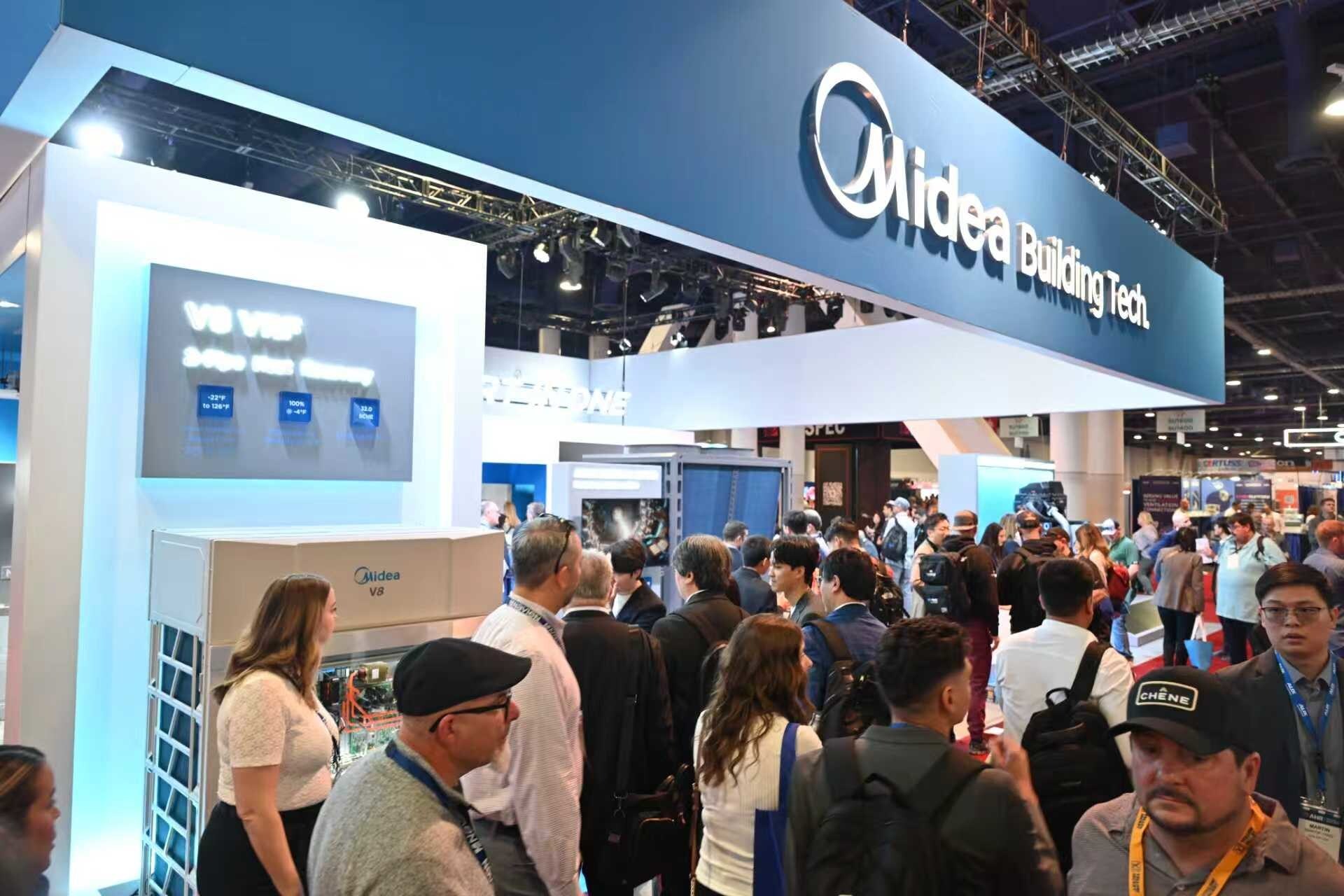
At AHR Expo 2026, Midea Building Technologies framed integration as the next phase of building design, responding to data center growth, energy pressure, and the operational complexity facing large facilities.
Midea Building Technologies used AHR Expo 2026 to argue that the future of buildings lies less in individual components and more in how systems work together. Under its “Smart in One” theme, the company presented an integrated view of cooling, heating, and digital management aimed at sectors under mounting pressure, including data centers, industrial campuses, and large commercial properties.
The emphasis reflects a broader industry shift. As buildings consume more energy and house more mission-critical operations, owners are increasingly focused on reliability, lifecycle costs, and interoperability rather than standalone efficiency claims. Midea’s showcase suggested that integration itself has become a form of performance, especially where downtime or inefficiency carries outsized consequences.
One focal point was the MagBoost Apex Pro magnetic bearing centrifugal chiller, which illustrates how mechanical design choices intersect with long-term operational goals. Oil-free magnetic bearings reduce friction and wear, supporting both higher efficiency and longer service life, while compatibility with lower-impact refrigerants speaks to tightening environmental expectations. Its modular approach also reflects a desire for scalability, allowing facilities to grow or adapt without redesigning entire systems.
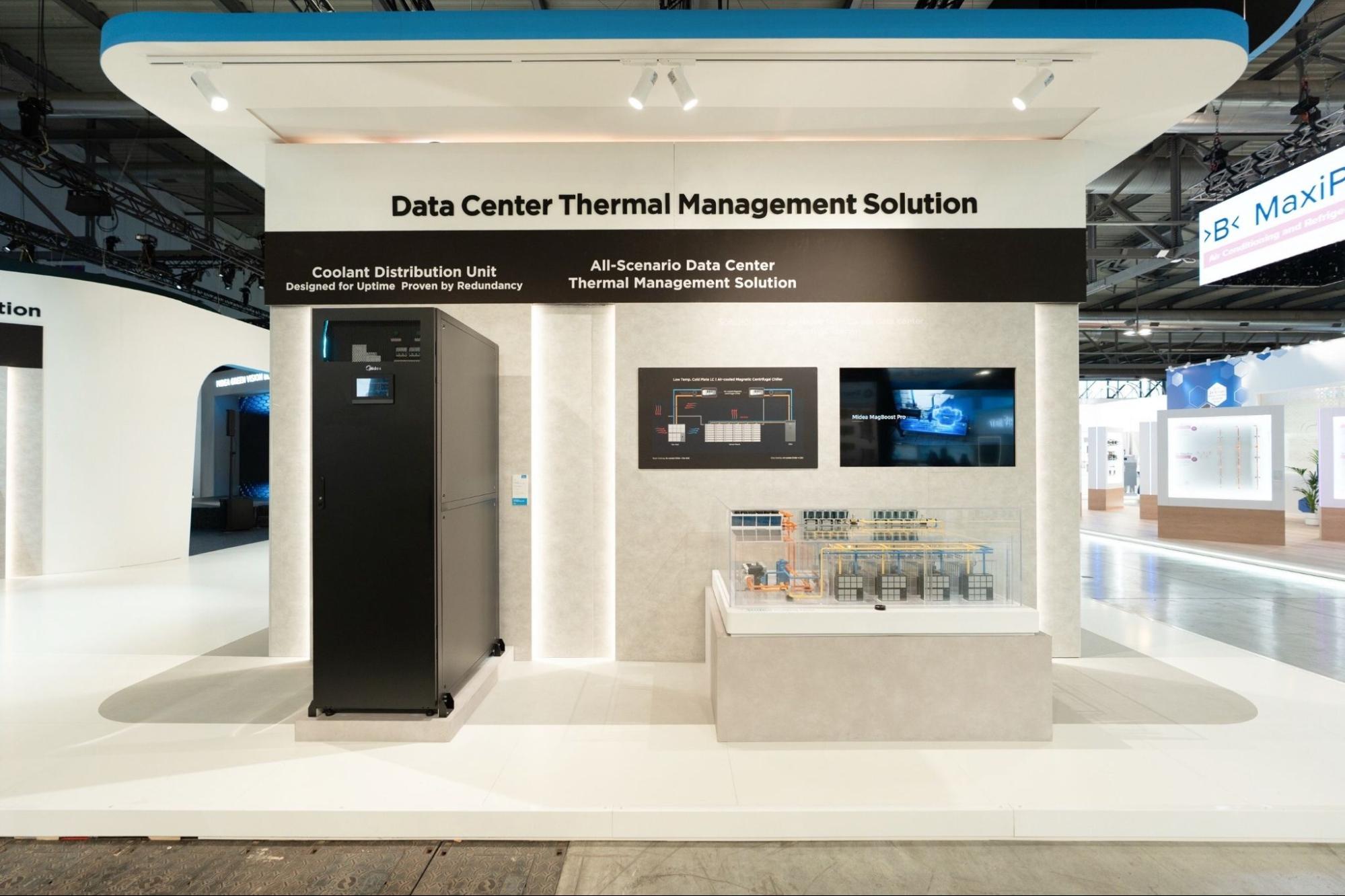
Data centers, increasingly shaped by AI workloads and high-density computing, were another clear priority. Midea positioned its thermal management offering as a full-stack response, combining chillers, fan walls, and distribution units to maintain efficiency and redundancy at scale. The promise of lower power usage effectiveness underscores how cooling is now central to digital infrastructure strategy, not just a background utility.
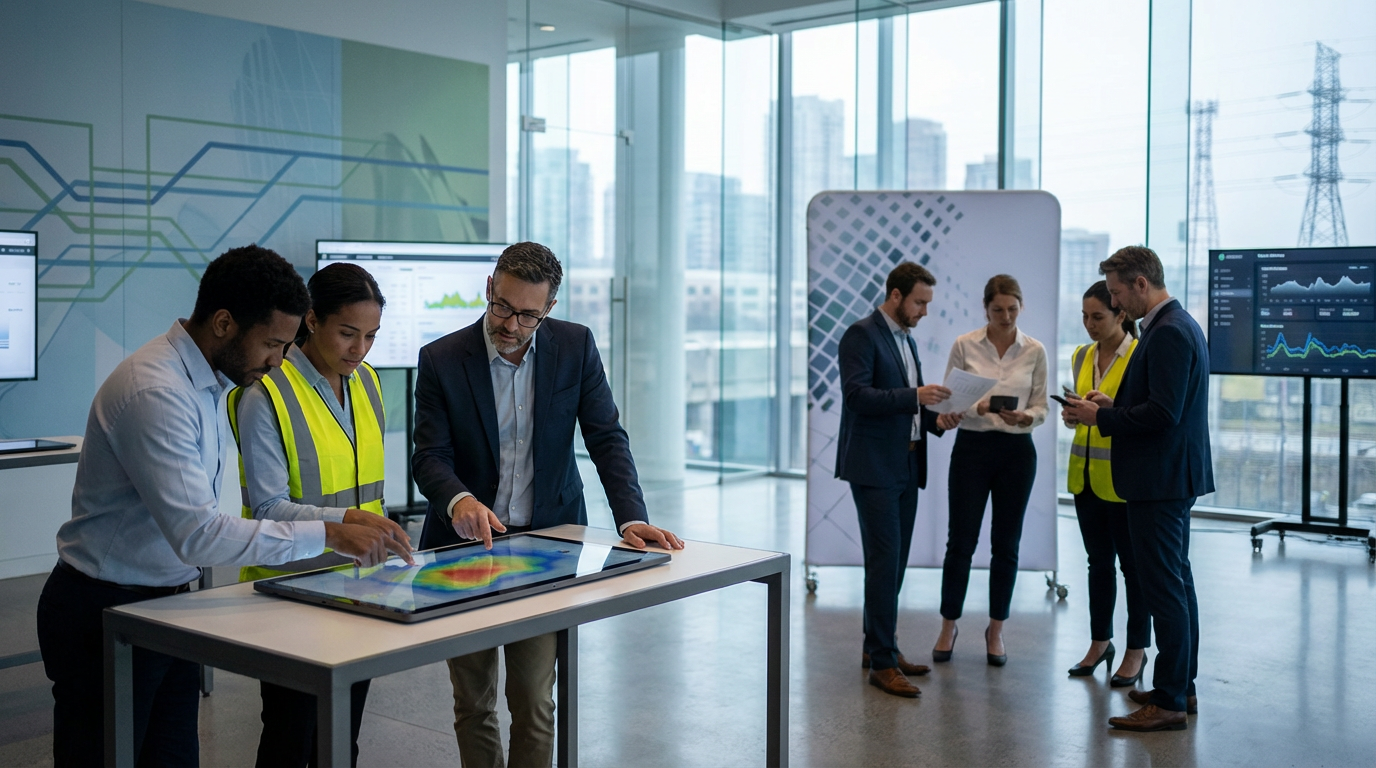
The connective tissue between these systems is the iBUILDING digital platform, which highlights how software has become essential to building performance. By aggregating data from disparate equipment and translating it into energy visibility and predictive maintenance, platforms like this aim to reduce operational blind spots. For facility managers, such tools matter less for novelty than for their ability to simplify oversight in increasingly complex environments.
Taken together, Midea’s AHR presence pointed to a pragmatic vision of “smart” buildings. Rather than framing intelligence as automation alone, the company emphasized coordination—between machines, data, and human decision-makers. In a landscape where energy intensity, uptime, and sustainability are tightly linked, that integrated approach reflects where building technology is increasingly heading.