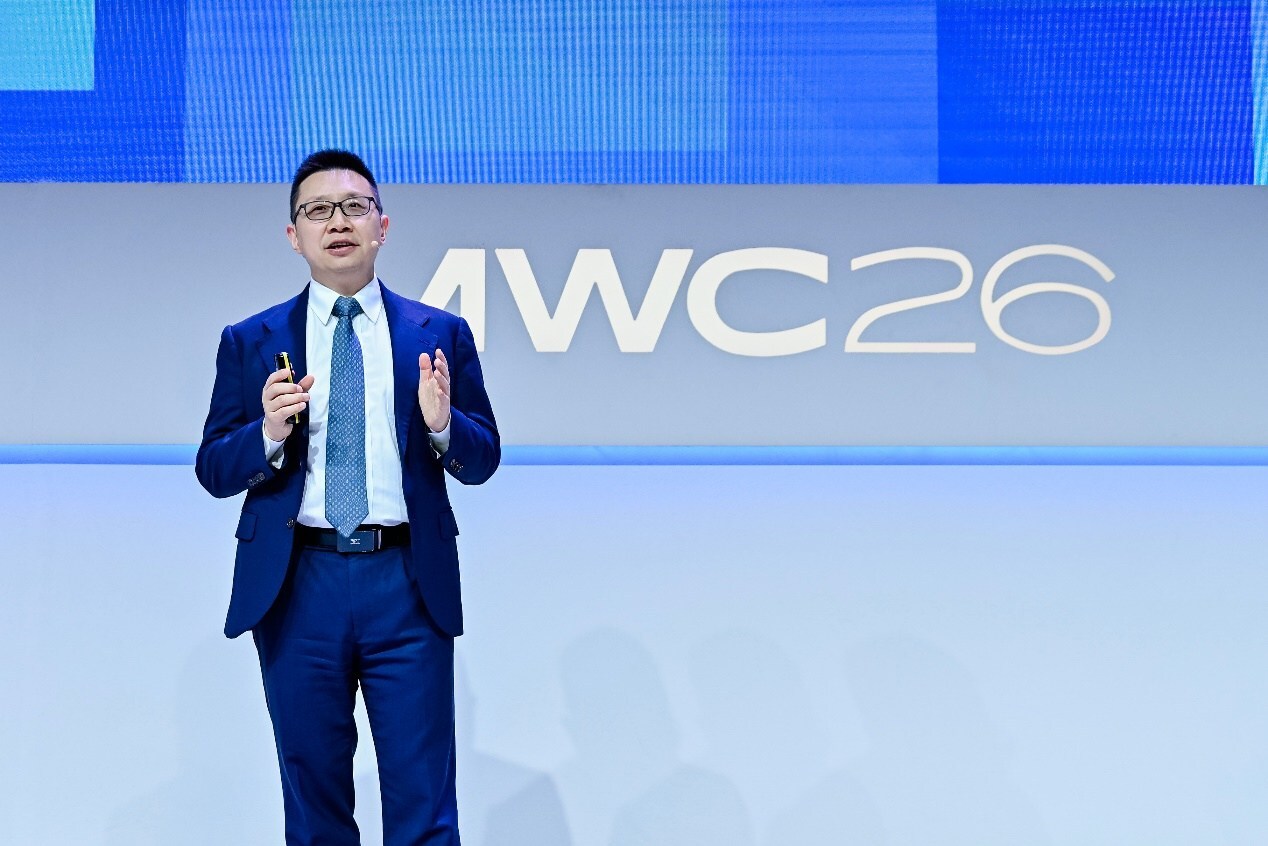
At MWC Barcelona 2026, Huawei introduced a next-generation fiber access network designed to help internet providers support AI-driven services, high-bandwidth applications, and the expanding ecosystem of connected homes.
Huawei introduced its Next Generation FAN solution at Mobile World Congress Barcelona 2026, positioning the technology as part of a broader shift in how internet service providers build and manage broadband networks. The company’s approach combines artificial intelligence with all-optical infrastructure, aiming to help ISPs handle increasingly complex home connectivity demands while developing new service models.
The announcement reflects a wider transformation taking place in telecommunications. As households adopt bandwidth-intensive technologies such as cloud gaming, ultra-high-definition video streaming, and connected home devices, network operators are under pressure to deliver faster speeds and greater reliability while managing operational costs.
Huawei’s FAN, or fiber access network, concept centers on integrating intelligence directly into the network architecture. Devices such as the company’s OptiXstar ONTs are designed to coordinate with cloud and edge systems, allowing networks to monitor performance conditions and adjust automatically to maintain connectivity across homes filled with multiple devices.
In practice, this means broadband hardware capable of identifying network congestion, adjusting wireless frequencies, or diagnosing faults without requiring manual intervention. The system also incorporates AI-driven traffic management through Huawei’s MA5800T optical line terminals, which can prioritize different types of digital activity—from remote work to telemedicine or entertainment—by assigning dedicated service paths.
The timing of the announcement underscores how central connectivity has become to everyday digital life. Internet providers are increasingly expected to support not only traditional broadband but also a growing range of smart-home services, security systems, and cloud-based applications that rely on consistent high-speed connections.
Industry analysts often describe this shift as part of a broader “intelligent network” era, where infrastructure evolves from a passive transport layer into a more adaptive platform capable of understanding and managing user activity. In this context, Huawei’s emphasis on AI integration reflects a larger push within telecommunications to automate operations while enabling new services that rely on reliable, high-capacity networks.
For ISPs, the challenge is balancing innovation with practical deployment. Solutions like Huawei’s Next Generation FAN suggest a future where home networks are increasingly autonomous, adjusting to digital workloads in real time as connected devices continue to multiply.