At a Barcelona forum, Huawei outlined how AI, 5G, and data platforms could reshape global transportation systems—from railways and highways to ports and logistics networks.
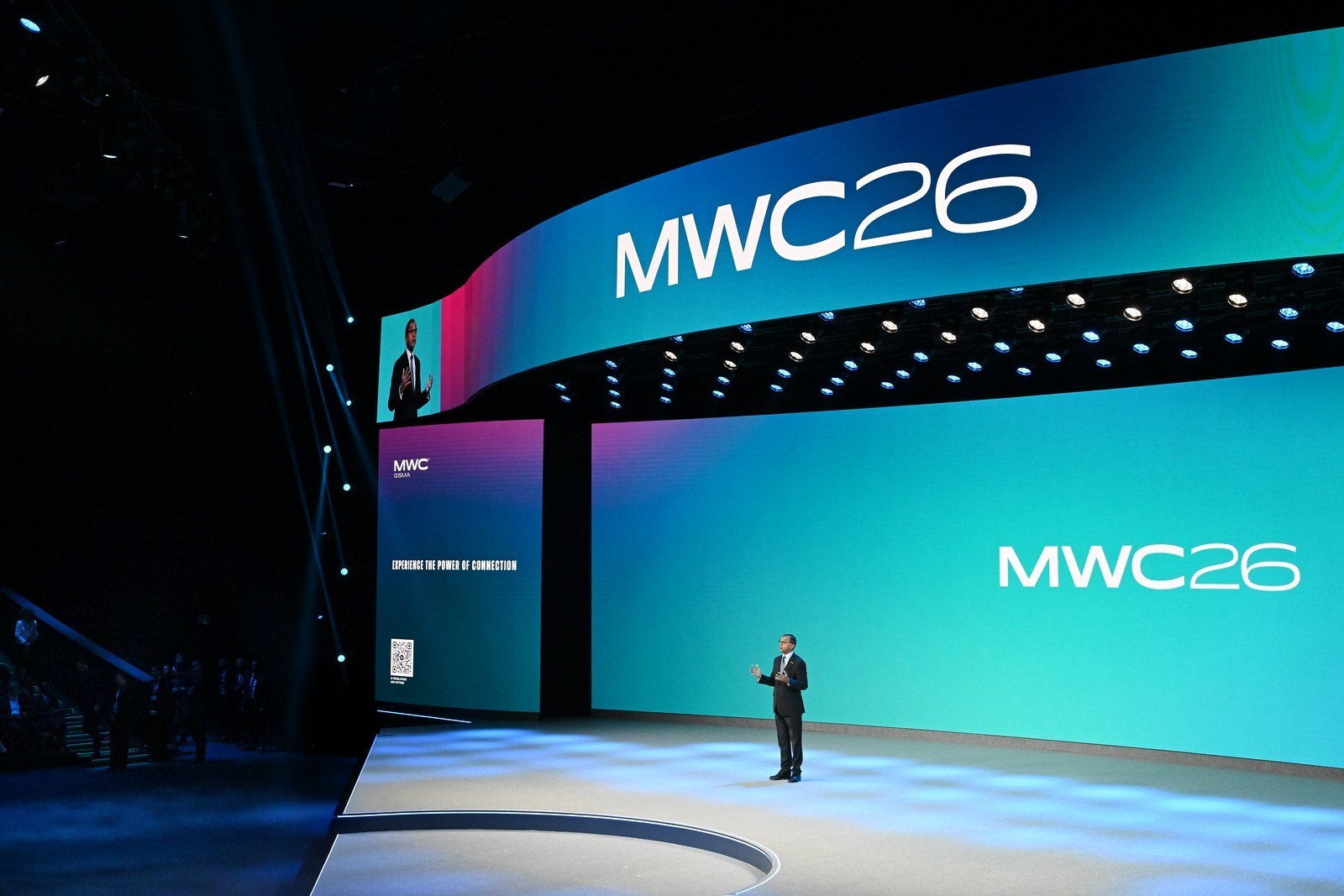
Huawei used the stage of Mobile World Congress 2026 in Barcelona to present a new vision for digitally connected transportation systems. The company introduced a set of technology solutions aimed at integrating artificial intelligence, advanced connectivity, and data platforms across sectors such as rail, road networks, ports, aviation, and logistics.
The initiative reflects a broader shift within transportation infrastructure, where digital technologies are increasingly seen as essential tools rather than optional enhancements. Governments and operators worldwide are exploring ways to manage rising passenger demand, complex supply chains, and aging infrastructure through smarter, more connected systems.
Huawei outlined five technology solutions designed to support what it describes as a more “intelligent” transportation ecosystem. These include platforms for coordinated traffic management in cities, high-bandwidth communications networks for rail operations, data-driven risk management tools for customs authorities, and digital scheduling systems designed to improve efficiency in busy ports.
The company also emphasized the growing role of artificial intelligence in transportation networks. AI systems are being developed to analyze large volumes of operational data, helping operators anticipate congestion, coordinate logistics flows, and manage complex infrastructure in real time.
Several industry partners participating in the forum highlighted how these technologies are already influencing large-scale infrastructure projects. Examples included airport digitalization efforts, rail communication upgrades, and port automation systems designed to coordinate cargo movement and vehicle scheduling more efficiently.
Among the technologies discussed was a digital operations platform intended to support integrated transportation monitoring, particularly during periods of heavy travel or complex multimodal logistics. Other solutions focused on improving communications networks for rail systems, where reliable, low-latency connectivity is critical for safe and efficient operations.
Huawei also pointed to early deployments of next-generation connectivity infrastructure in rail networks, including a 5G-based fixed wireless system designed to improve communications along railway lines. Such technologies are increasingly viewed as foundational components of modern transportation systems.
The broader ambition behind these developments is to connect multiple layers of infrastructure—from vehicles and cargo flows to logistics planning systems—into unified digital platforms. In theory, this could allow operators to coordinate transportation networks more efficiently while improving safety and reliability.
Whether such visions become reality will depend on complex partnerships between technology companies, governments, and infrastructure operators. Still, the growing focus on intelligent transportation systems suggests that the future of mobility may rely as much on data and connectivity as on the physical networks themselves.