As spring break and Easter increasingly overlap, The Honey Baked Ham Company is responding with a travel-focused guide that reflects changing family routines and the growing normalization of holidays away from home.
The Honey Baked Ham Company is encouraging families to rethink how holiday traditions travel with them. As spring break trips and Easter gatherings increasingly coincide, the company has introduced a travel-focused guide aimed at helping people recreate familiar celebrations while away from home.
The initiative reflects a broader shift in how Americans mark holidays. Instead of gathering exclusively around a dining table at home, many families now celebrate while traveling—whether that means staying in vacation rentals, visiting relatives across the country, or planning holiday meals on the road.
The Honey Baked Ham Company’s guide centers on a practical question: how to transport traditional foods during travel. Drawing on publicly available guidelines from the Transportation Security Administration, the company notes that solid foods such as ham are allowed through airport security, a detail that may surprise travelers accustomed to strict liquid restrictions.
Beyond air travel, the guide also includes suggestions for packing and storing food during road trips. Advice inspired by automotive travel experts emphasizes simple strategies such as temperature control, proper packaging, and planning ahead to ensure that meals remain safe and ready to serve after long journeys.
The concept highlights how travel has reshaped seasonal rituals. In earlier decades, holiday meals often required hours of preparation in a home kitchen, but modern consumers frequently rely on prepared dishes that can be transported or delivered to wherever celebrations take place.
Prepared-food companies have increasingly adapted to this shift by emphasizing convenience, portability, and shipping options. The Honey Baked Ham Company, which operates hundreds of retail locations across the United States, has expanded delivery and pickup services in response to customers who want traditional meals without the time commitment of cooking from scratch.
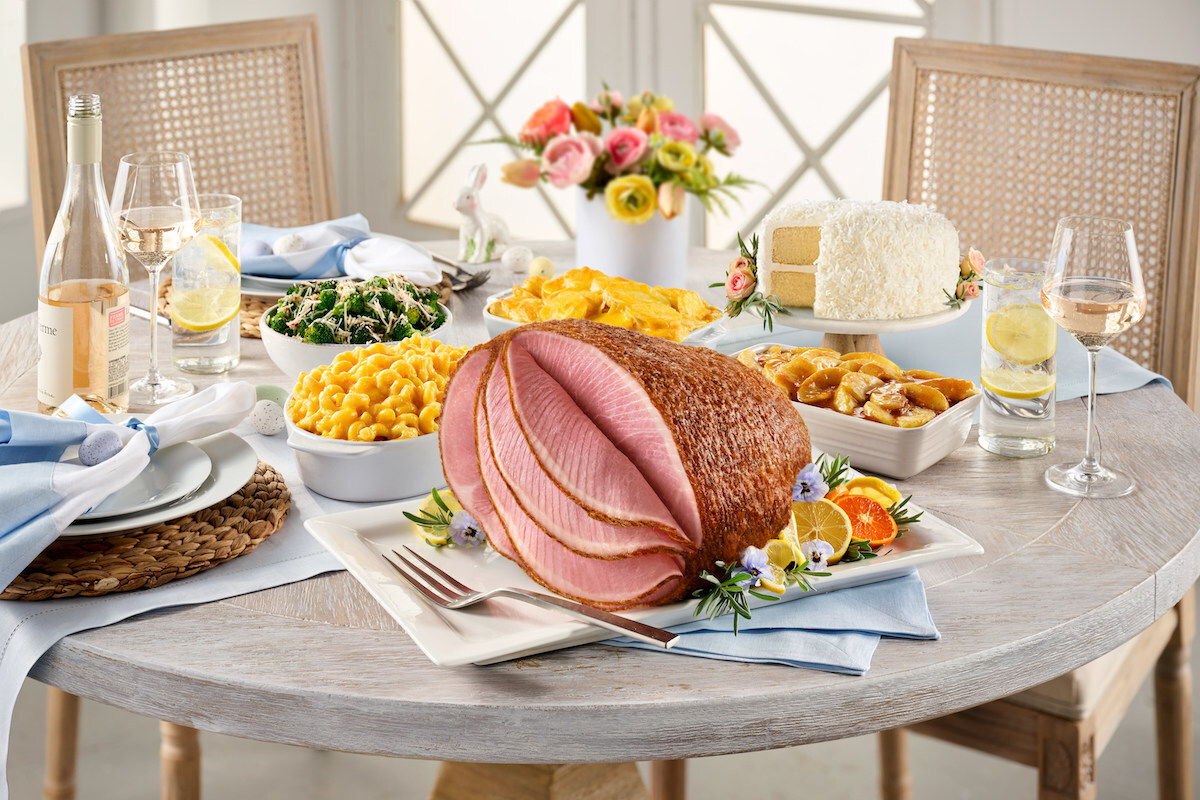
At the same time, the campaign touches on something more cultural than logistical. Holidays are often defined less by location than by shared foods and rituals, and for many families those traditions center around specific dishes served year after year.
By framing its guide around travel-friendly holiday planning, the company appears to be acknowledging a simple reality: celebrations increasingly follow people wherever they go. Whether in a beach rental, a relative’s home, or a roadside stop during a long drive, the familiar foods associated with holidays remain one way families maintain a sense of continuity even when the setting changes.