As hybrid work reshapes daily routines, HBADA’s latest launch reflects a growing demand for ergonomic seating that balances comfort, durability, and price in a crowded home office market.
HBADA has introduced its E3 Series 2026 Edition to the U.S., expanding its presence in a market increasingly defined by long hours at home desks. The launch signals the company’s attempt to position itself within a competitive segment where consumers are seeking higher-quality seating without premium price tags.
The rise of remote and hybrid work has transformed ergonomic furniture from a niche concern into a mainstream necessity. As more professionals spend extended periods seated, expectations around comfort, adjustability, and long-term health support have become central to purchasing decisions.
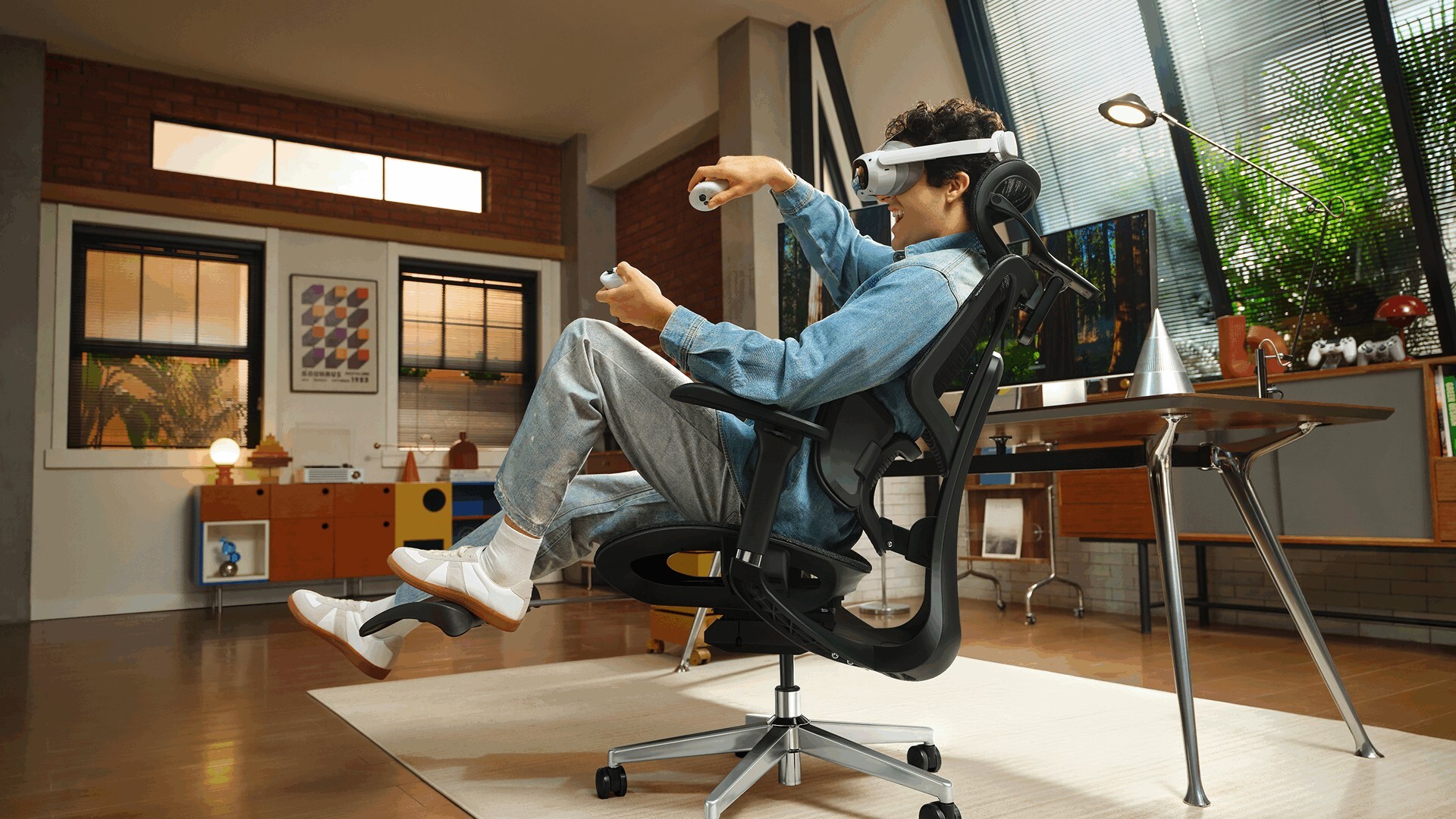
HBADA’s approach emphasizes mechanical design over digital features, focusing on adjustable lumbar support, flexible armrests, and breathable materials. This reflects a broader industry trend where innovation is less about adding technology and more about refining how products respond to the human body.
The company also highlights compliance with international ergonomic and durability standards, suggesting that certification and testing are becoming key differentiators. In a market saturated with options, such signals can influence consumer trust, particularly for products intended for daily, long-term use.
Pricing plays a central role in the strategy, with the E3 Series positioned in the mid-range segment. By offering features typically associated with higher-end chairs at a lower cost, HBADA is targeting a growing group of consumers who want improved ergonomics but remain price-conscious.
At the same time, the competitive landscape remains intense, with established brands and newer entrants vying for attention in the same category. Success may depend not only on product design but also on how effectively companies communicate value in a market where many features appear similar on paper.
The emphasis on adaptability—accommodating different body types and work styles—also reflects a shift toward more personalized workspace solutions. As home offices become more permanent fixtures, furniture is expected to serve a wider range of users and uses.
Ultimately, HBADA’s U.S. launch underscores a broader evolution in workplace design. Ergonomic seating is no longer treated as an optional upgrade but as a baseline requirement, shaping how companies compete in a market that continues to expand alongside new ways of working.