The electric truck maker’s acquisition of Phantom AI and licensing deal with ZF signal a shift toward software-driven revenue and advanced safety features in medium-duty fleets.
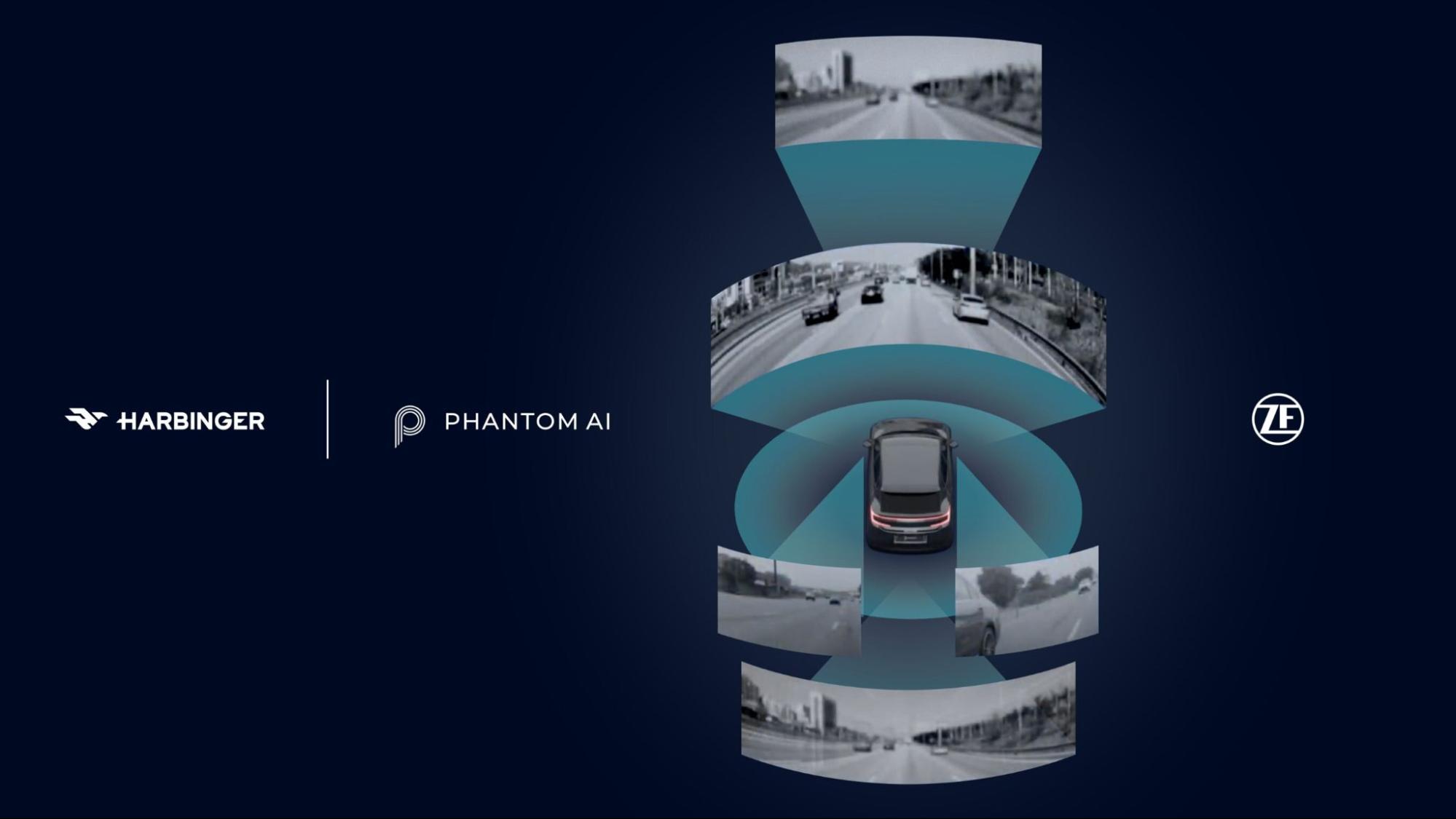
Harbinger, a California-based manufacturer of medium-duty electric and hybrid vehicles, has acquired autonomous driving startup Phantom AI and secured a licensing agreement with ZF for its computer vision technology. The move positions Harbinger not only as a vehicle maker but also as a participant in the growing market for advanced driver assistance software.
Phantom AI, founded by former Tesla and Hyundai engineers, develops computer vision systems for Level 2 driver assistance features such as automatic emergency braking and lane support. Under the agreement, ZF will license Phantom AI’s technology for use in its passenger car ADAS portfolio, creating what Harbinger describes as a new software-based revenue stream. The Phantom AI team will continue operating from Mountain View, California.
For Harbinger, the acquisition also addresses a gap in the medium-duty segment, where advanced safety systems have historically lagged behind passenger vehicles. The company plans to integrate Phantom AI’s technology into its electric and hybrid trucks starting in 2026, adding features such as adaptive cruise control and lane keeping. Fleet operators, including large corporate customers, have increasingly sought such capabilities to reduce accidents and liability.
The deal reflects a broader shift in the automotive industry, where software and data services are becoming central to competitiveness. While Harbinger’s core focus has been building purpose-designed electric platforms for commercial use, the addition of proprietary ADAS technology suggests a strategy that blends hardware and recurring software value.
By aligning with ZF, a global automotive supplier, Harbinger gains access to a wider ecosystem beyond its commercial vehicle base. The partnership illustrates how emerging electric vehicle manufacturers are looking to diversify revenue and differentiate through technology. In an industry where electrification alone is no longer enough to stand out, control over software capabilities may prove just as consequential as battery range or drivetrain efficiency.