A landmark discovery linking intestinal bacteria to the success of immunotherapy has been recognized with the €350,000 Bial Award in Biomedicine, underscoring the microbiome’s growing role in cancer research.
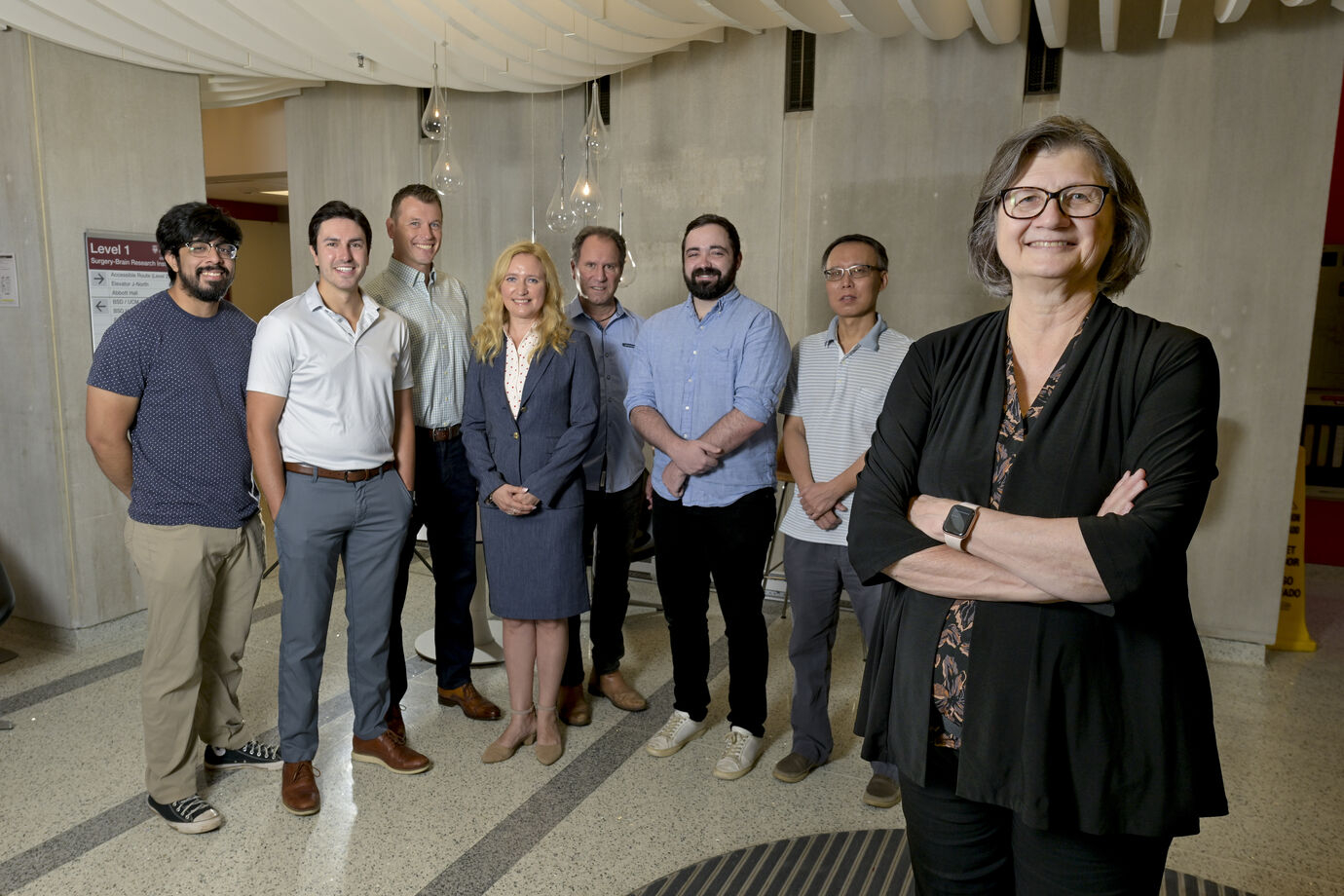
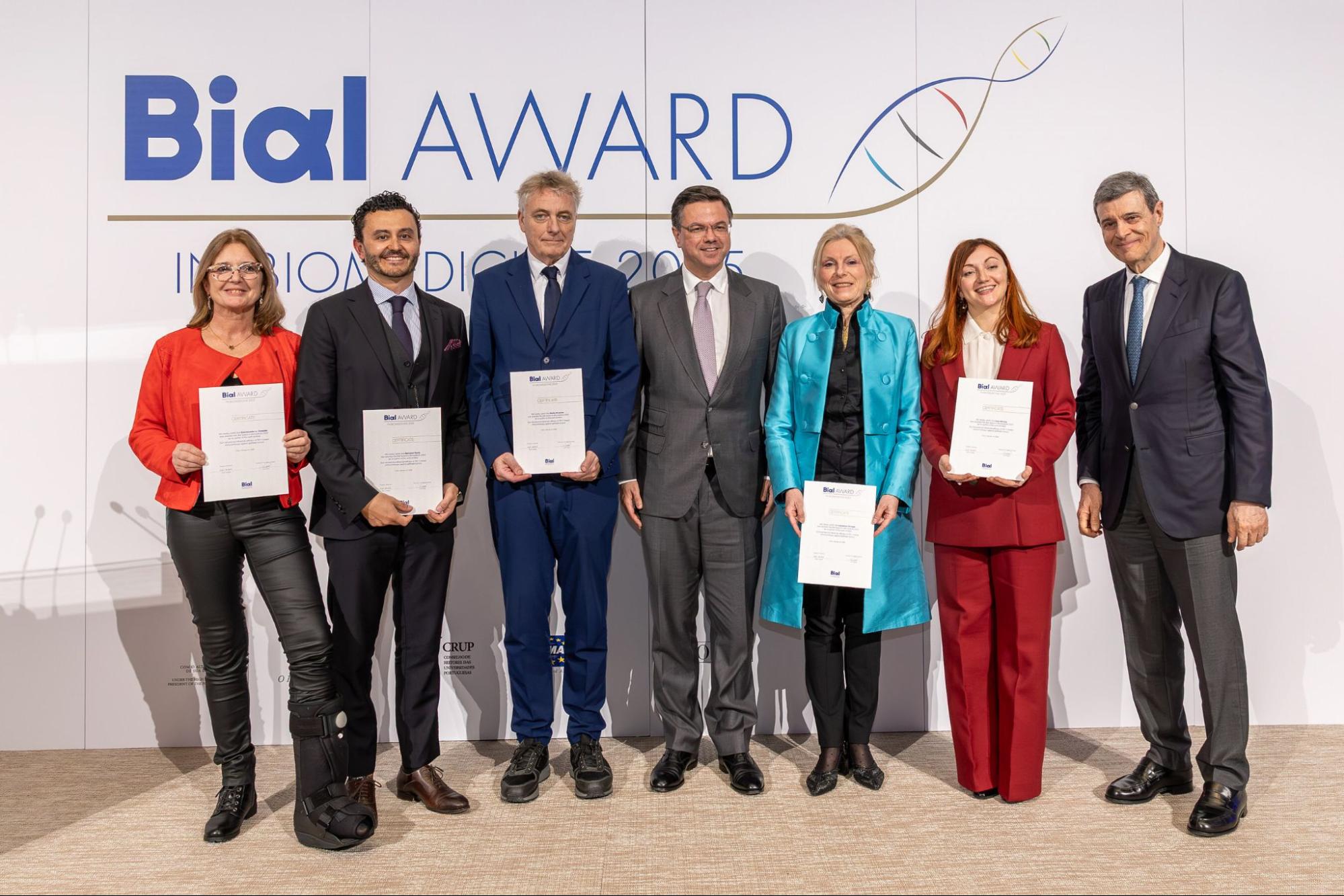
The Bial Foundation has awarded its 2025 Bial Award in Biomedicine to an international team of 48 researchers whose work reshaped understanding of why some cancer patients respond to immunotherapy while others do not. The €350,000 prize recognizes a study published in Science that identified the gut microbiome as a decisive factor in the effectiveness of PD-1–based immunotherapy for epithelial tumors.
Led by French scientists Laurence Zitvogel and Guido Kroemer, the research examined how the diversity and composition of bacteria in the human intestine influence treatment outcomes. Immunotherapy has transformed oncology by enabling the immune system to detect and attack cancer cells, offering new hope to patients with previously limited options. Yet more than half of patients develop resistance, a challenge that has puzzled clinicians for years.
The study demonstrated that patients with greater gut bacterial diversity tend to experience better clinical outcomes. It also found that the use of antibiotics, which can reduce microbiota diversity, may impair the effectiveness of immunotherapy. By identifying specific bacterial species associated with improved responses, the researchers opened the door to strategies aimed at modulating the microbiome to enhance treatment success.
Since its publication in 2018, the work has been cited more than 5,800 times, reflecting its influence across oncology and microbiology. The findings have helped spur a wave of investigations into how diet, probiotics and microbiota-targeted interventions might complement cancer therapies, reframing the intestine not merely as a digestive organ but as an active participant in immune regulation.
The Bial Award, which drew nominations from 18 countries this year, has previously recognized research that later garnered global honors. By highlighting the intersection of microbiology and immunotherapy, this year’s selection underscores a broader shift in medicine: understanding cancer not only as a disease of rogue cells, but as one deeply intertwined with the ecosystems within the human body.