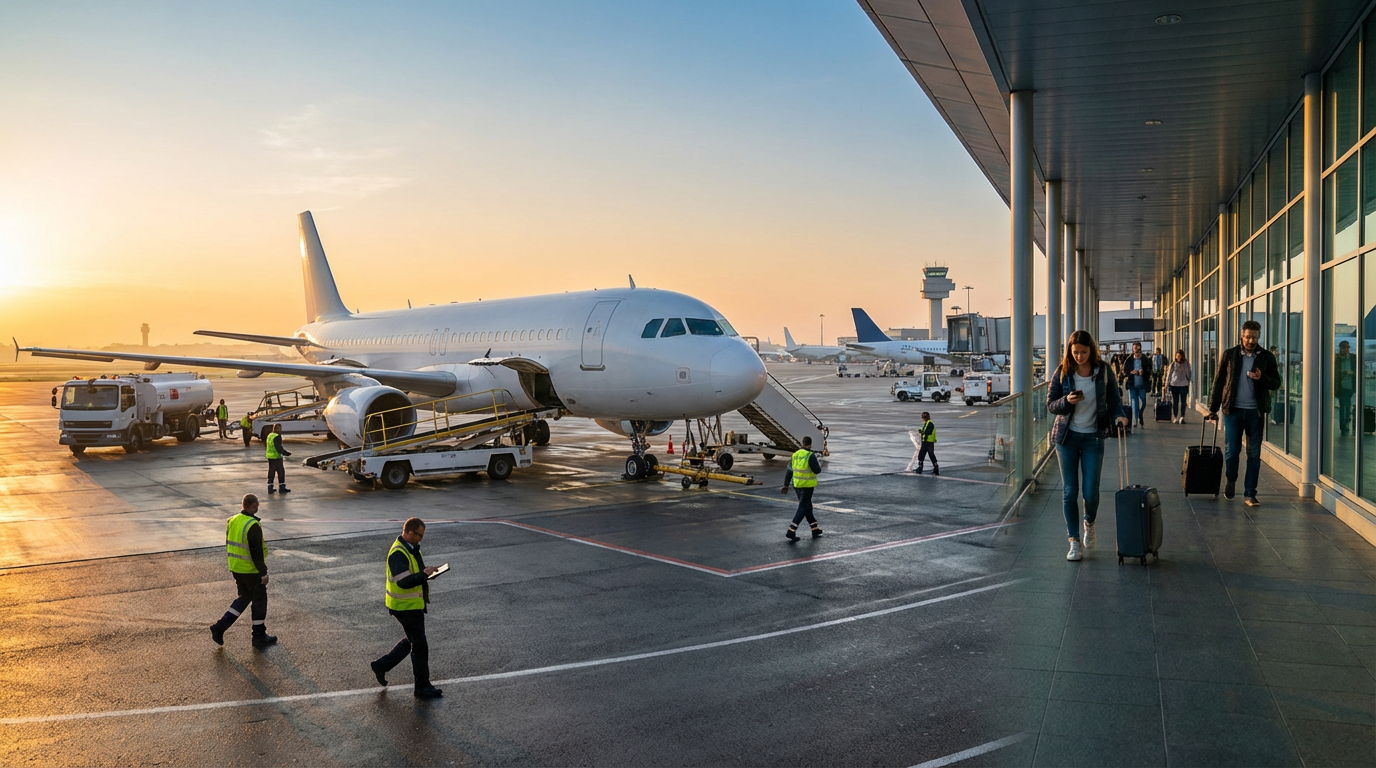
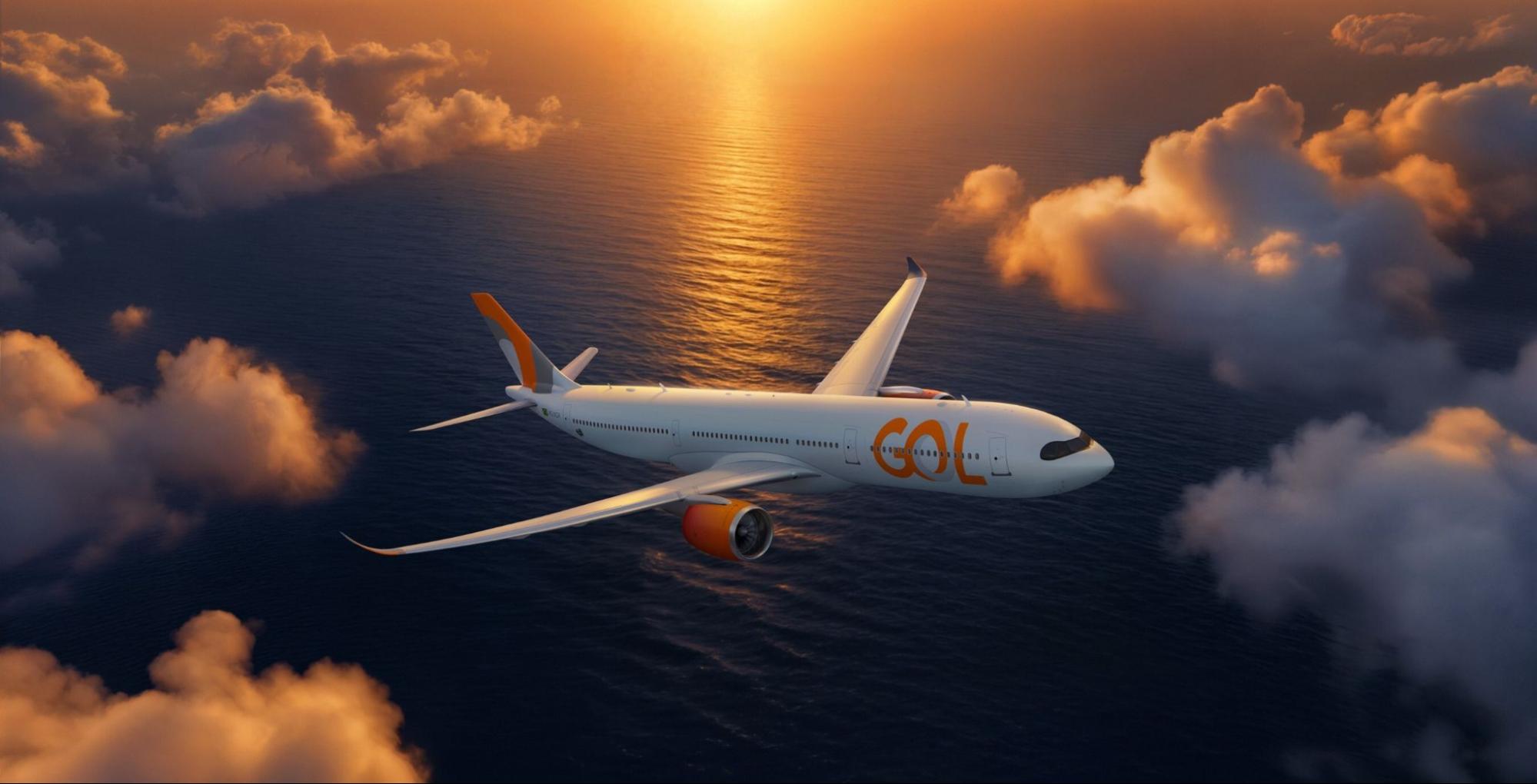
The fleet expansion signals a strategic shift for the Brazilian carrier, positioning GOL Linhas Aéreas to enter long-haul markets and strengthen Brazil’s direct air links with Europe and North America.
GOL Linhas Aéreas is preparing to enter the long-haul aviation market with the addition of widebody aircraft to its fleet. The Brazilian carrier announced plans to introduce up to five Airbus A330-900 jets, a move that would enable the airline to operate direct flights between Brazil, Europe, and the United States for the first time.
For most of its 25-year history, GOL has focused primarily on domestic and regional routes using narrow-body aircraft. The introduction of larger long-range jets marks a notable shift in strategy, suggesting the airline is seeking a broader role in international travel as demand for global connectivity from Latin America continues to grow.
The Airbus A330-900, part of the A330neo family, is designed for long-distance flights and can carry roughly 300 passengers with a range approaching 15 hours. Deliveries are expected to occur gradually between 2026 and 2027, allowing the airline to build out its long-haul operations in phases rather than through a rapid expansion.
The aircraft will be provided through Abra Group, the aviation holding company that controls GOL and several other carriers in the region. By allocating these aircraft to GOL, Abra appears to be positioning the airline as a key platform for intercontinental routes departing from Brazil.
Long-haul aviation has historically been dominated by larger international airlines, partly because operating widebody aircraft requires significant investment and logistical capacity. For airlines that have traditionally focused on shorter routes, entering this segment often represents both an opportunity and a challenge.
GOL’s expansion into long-distance travel also reflects broader changes in global aviation networks. As international travel continues to recover and diversify, airlines are exploring new routes that bypass traditional hubs and connect emerging markets more directly to major global destinations.
The A330neo aircraft also offer improvements in fuel efficiency compared with earlier widebody models, an increasingly important factor as airlines face both cost pressures and environmental scrutiny. Greater efficiency can make long-haul routes more economically viable, particularly for airlines entering the market for the first time.
Alongside the aircraft acquisition, GOL announced an ACMI agreement with Wamos Air, another airline connected to the Abra Group. Such arrangements allow carriers to lease aircraft and crews temporarily, helping them expand capacity quickly while new operations are established.
Details about the first intercontinental destinations have not yet been released, but the airline has indicated that additional route announcements and service plans will follow. If successful, the move could mark a new chapter for a carrier that originally built its reputation on transforming domestic air travel in Brazil.