By adding QR-based tracking and real-time staging guidance to deliveries, the company is addressing a costly bottleneck in utility-scale solar: getting the right parts to the right place at the right time.
As utility-scale solar projects grow larger and more complex, the challenges aren’t always about panels or power output. Increasingly, the friction comes from something far less visible: logistics. GameChange Solar’s newly launched GeniusShip is aimed directly at that problem, offering a shipment-level tracking and staging system designed to reduce confusion and delays once materials reach a construction site.
At its core, GeniusShip is a QR-based delivery enhancement. Each GameChange Solar shipment now arrives with a unique QR code that site teams can scan to access detailed information about what’s inside, including part descriptions, quantities, and the expected installation zone. For project teams that often manage thousands of components spread across wide tracts of land, the value is less about novelty and more about removing guesswork from the receiving process.
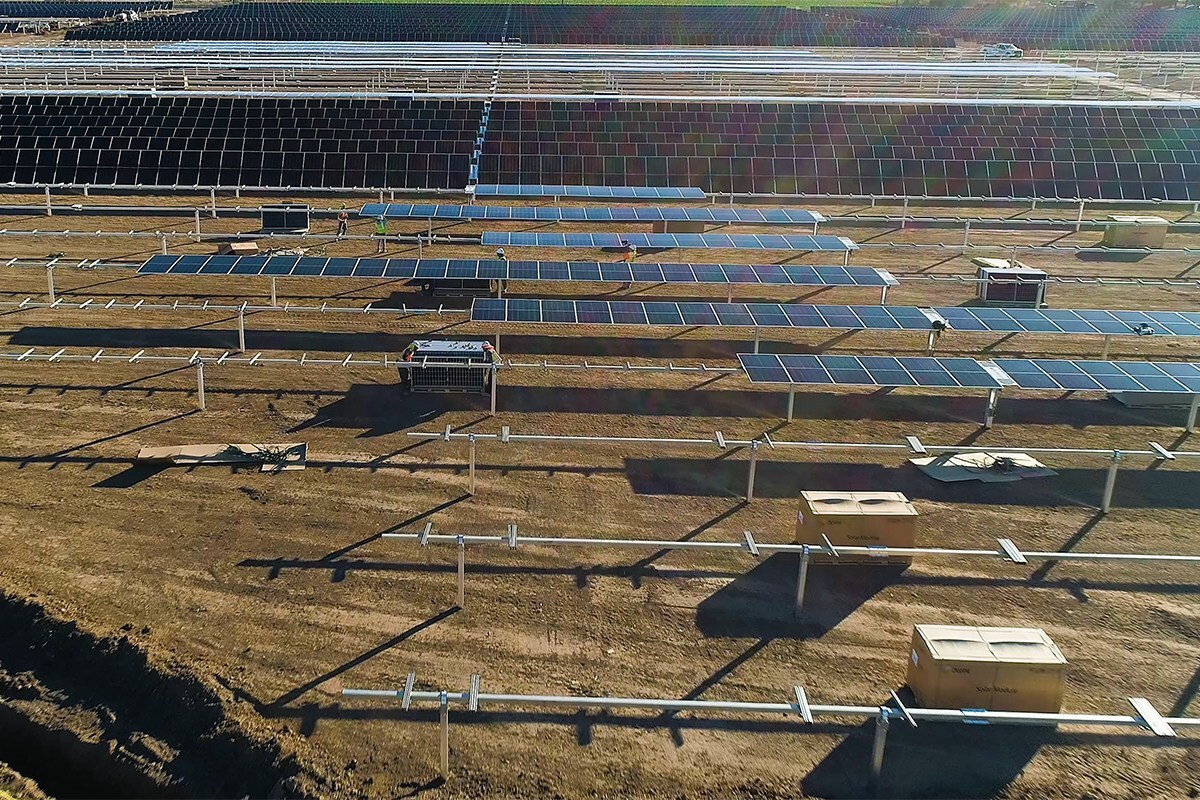
The announcement reflects a broader reality in large-scale construction: even small inefficiencies can cascade into major schedule disruptions. When materials are staged in the wrong location, crews lose time searching, re-moving pallets, or waiting for the correct parts to be re-delivered across the site. GeniusShip is designed to prevent those issues by providing component-level visibility at the moment shipments arrive.
What distinguishes the system from traditional packing slips is its ability to adjust dynamically. GameChange Solar says GeniusShip calculates the required installation zone in real time, based on site-specific constraints and changes. In theory, that could help address the shifting realities of active construction sites, where weather, terrain challenges, or sequencing adjustments often force teams to rethink where materials should be staged and when they will be installed.
For developers and EPCs, the promise is straightforward: fewer labor hours wasted on material handling, less re-staging, and a smoother flow from delivery to installation. Those are not glamorous wins, but they are the kind that can meaningfully affect project economics, especially when utility-scale builds are already pressured by tight margins and aggressive timelines.
GameChange Solar’s decision to make GeniusShip standard on all deliveries suggests the company sees logistics as part of its product offering, not an afterthought. In an industry that has long prioritized hardware innovation, tools like this point to a quieter evolution—one where efficiency is increasingly measured not just in megawatts, but in minutes saved on the ground.