The debut highlights how Chinese automakers are targeting global urban markets, using electric vehicles, localized strategies, and competitive pricing to challenge established players abroad
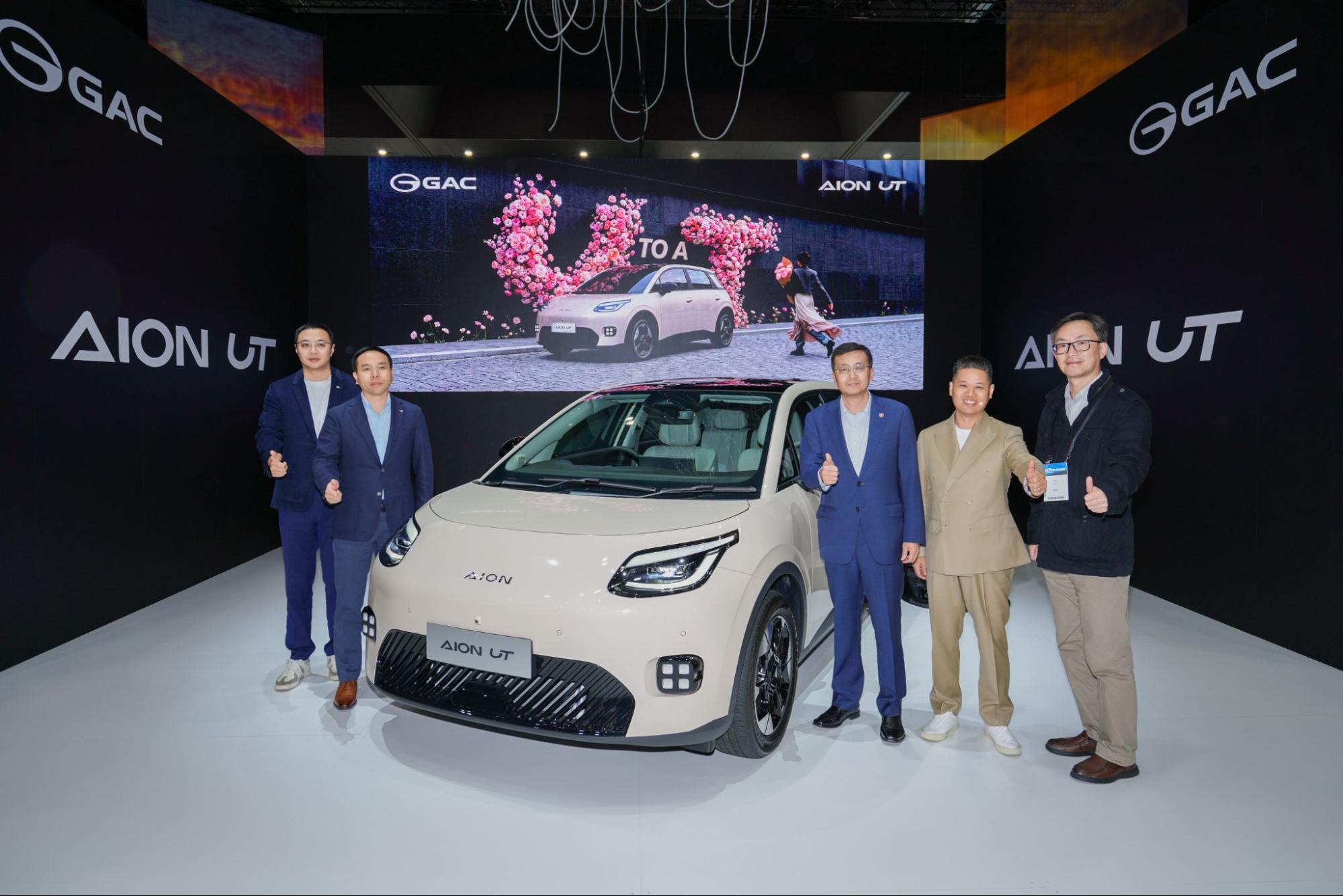
GAC has introduced its AION UT electric vehicle to the Australian market, positioning the model as part of a broader international expansion strategy. The launch, announced at the 2026 Melbourne Motor Show, reflects the company’s effort to establish a stronger foothold outside China as competition in the global electric vehicle sector intensifies.
The AION UT is framed as a compact urban vehicle designed to appeal to younger consumers, combining design-focused elements with practical features such as interior space and charging efficiency. Its arrival in Australia comes at a time when rising fuel costs and policy support for electrification are reshaping consumer demand. In that context, the model is less about a single product and more about how automakers are adapting to shifting expectations around affordability and usability in electric mobility.
GAC’s approach also emphasizes localization, a strategy increasingly common among Chinese manufacturers entering overseas markets. By focusing on right-hand-drive development and tailoring its offerings to regional needs, the company is attempting to reduce barriers that have historically limited adoption. This suggests a move beyond export-led growth toward more integrated participation in local automotive ecosystems.
The broader display of vehicles at the Melbourne Motor Show, including hybrid and internal combustion models, indicates that GAC is not relying on a single technology pathway. Instead, it is presenting a portfolio that reflects the transitional nature of the automotive industry, where multiple powertrains coexist as infrastructure and consumer preferences continue to evolve.
The significance of the AION UT’s debut lies in what it represents for the competitive landscape. As Chinese automakers expand into markets like Australia, they bring a combination of cost efficiency, rapid development cycles, and increasingly sophisticated technology. Whether this translates into sustained market share will depend on factors such as brand trust, regulatory alignment, and long-term service infrastructure, but the direction of travel is becoming clearer.