A new induction cooktop surface from Frigidaire focuses on reducing visible wear, reflecting how everyday durability is becoming a central concern in appliance design and consumer expectations.
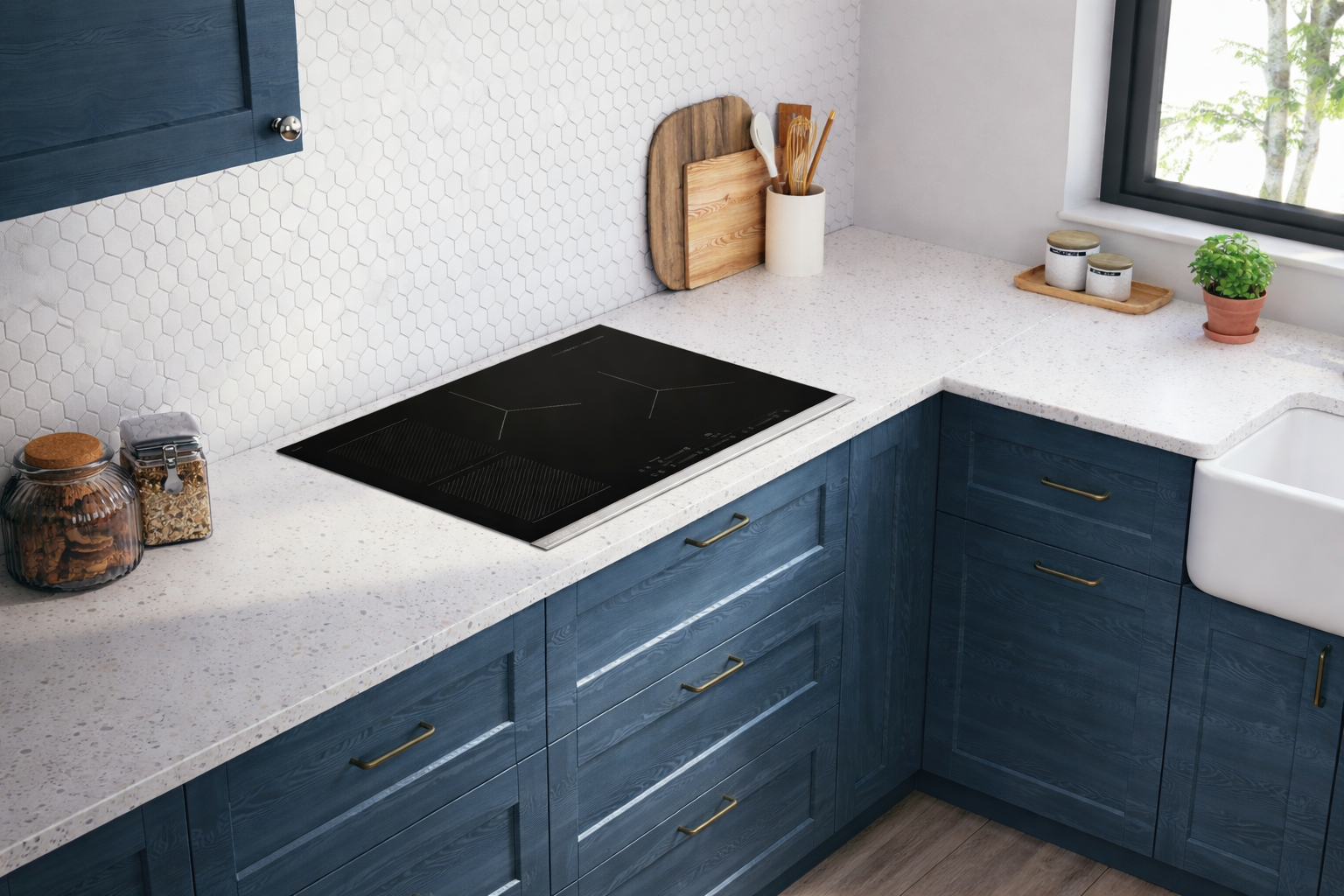
Frigidaire, part of Electrolux Group, has introduced a new induction cooktop surface called MatteGuard™, designed to address a common issue in modern kitchens: visible scratching on ceramic glass. The product will be featured in the company’s Gallery line and becomes available starting March 2026 through major retailers.
The development highlights a shift in how appliance makers are responding to user experience, focusing not only on performance but also on long-term appearance. According to company data, a majority of consumers report encountering scratches on cooktops, with many describing the issue as a significant source of frustration in otherwise high-functioning kitchens.
MatteGuard’s matte finish is intended to reduce the visibility of these marks, offering what the company describes as a more durable surface compared to standard glass designs. While the underlying cooking technology remains induction-based—known for its speed and precision—the emphasis here is on maintaining the product’s visual integrity over time.
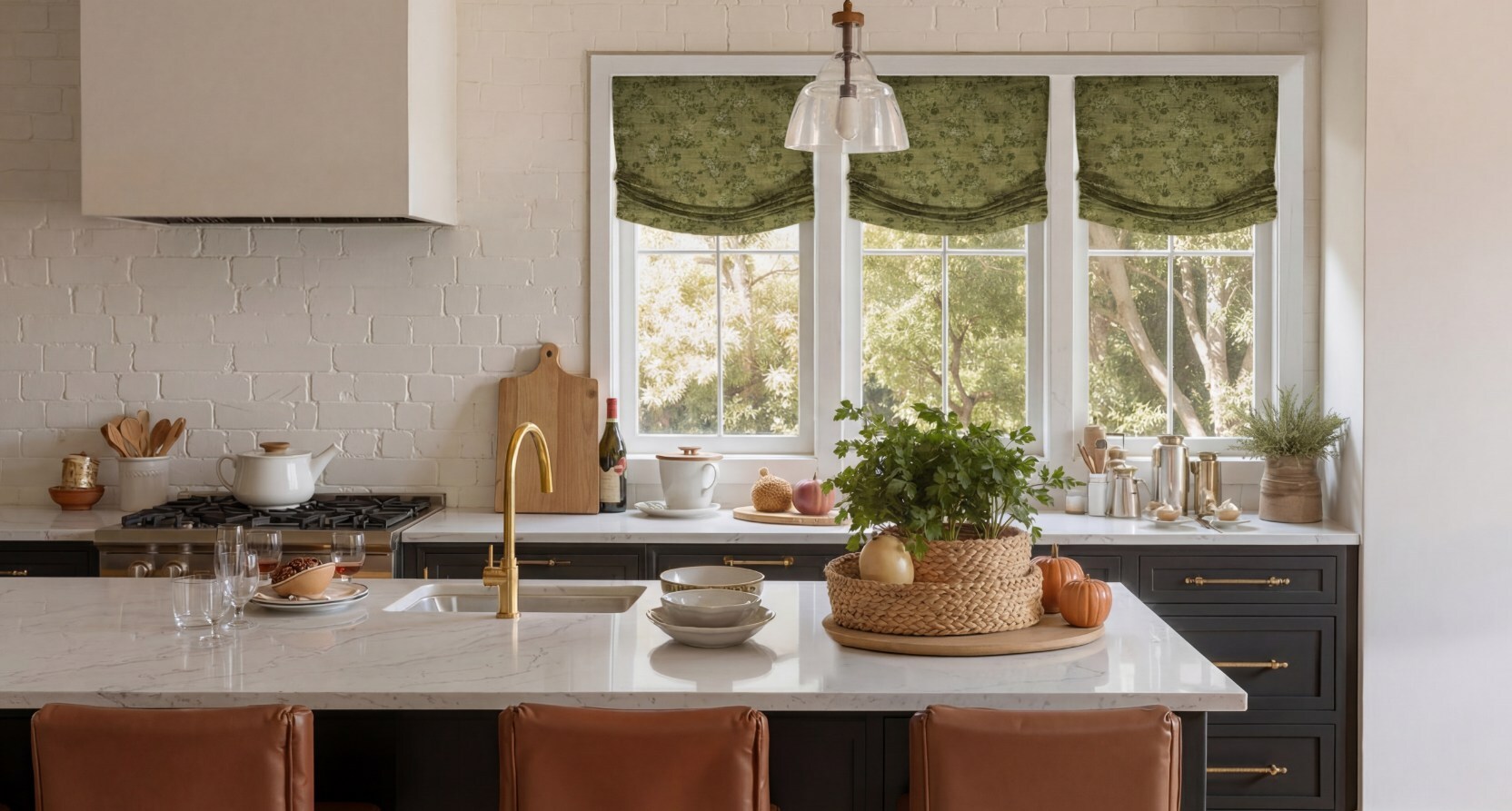
This focus on durability reflects broader changes in consumer expectations, where appliances are increasingly viewed as both functional tools and integral elements of home design. Kitchens, often central to living spaces, place greater importance on aesthetics that can withstand daily use without quickly showing wear.
The introduction also aligns with the growing adoption of induction cooking, which is often promoted for its energy efficiency and responsiveness. As more households transition away from gas or traditional electric systems, manufacturers appear to be refining not just performance but also the tactile and visual experience of these surfaces.
In practical terms, features such as improved scratch resistance and simplified graphics point to incremental innovation rather than a fundamental technological leap. Yet these smaller adjustments can have a noticeable impact on how products are perceived and used over time.
Frigidaire’s move suggests that even mature appliance categories continue to evolve through attention to everyday pain points. By focusing on a specific, widely shared frustration, the company is responding to a reality of modern product design: that longevity, usability, and appearance are increasingly intertwined in shaping consumer satisfaction.