Elite Island Resorts’ new campaign highlights a broader shift in tourism, where destinations are marketed through culture and community as much as amenities, reflecting changing traveler expectations.
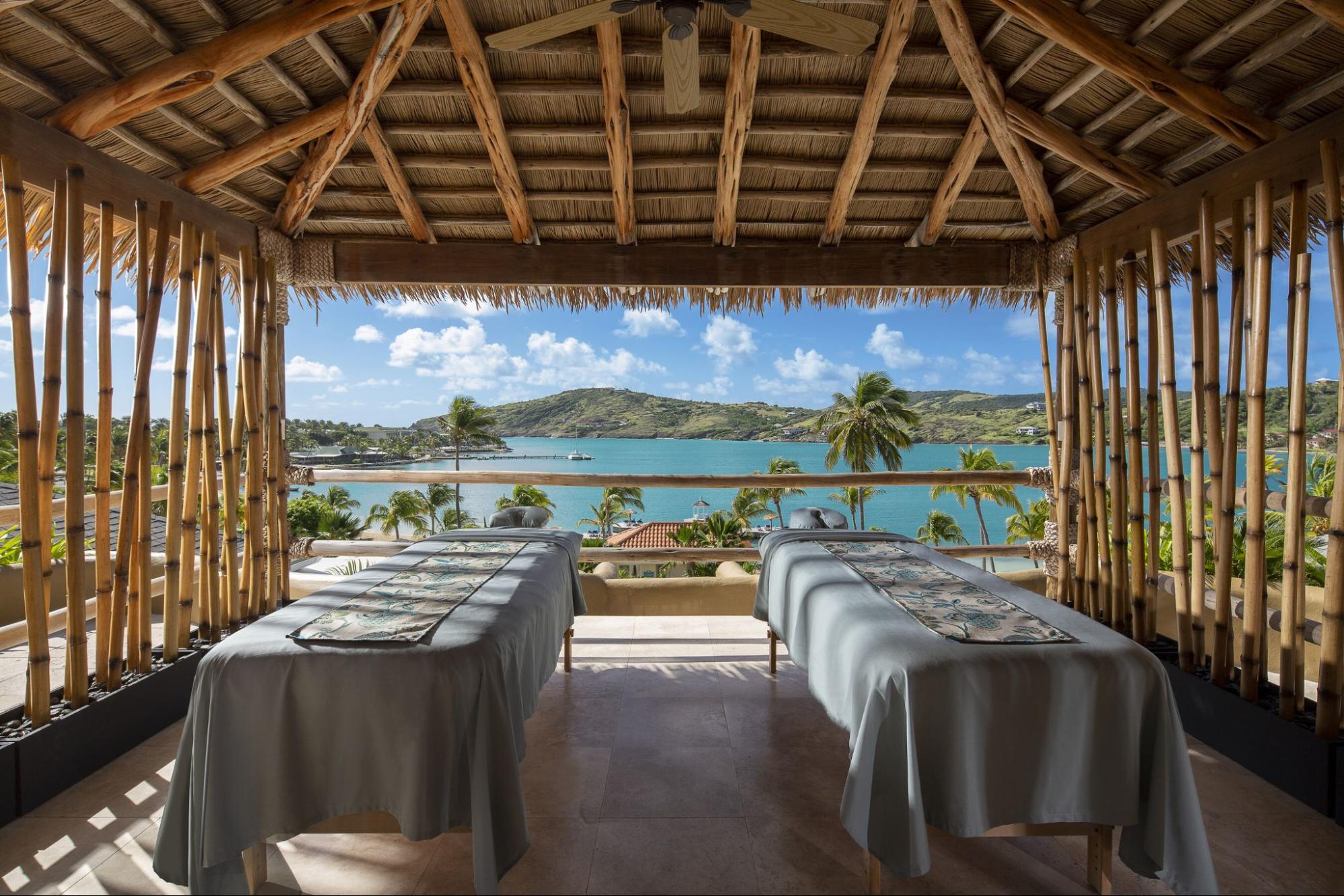
Elite Island Resorts has launched a campaign titled “A Love Letter to Antigua,” aiming to present the Caribbean island as more than a resort destination. The initiative combines curated itineraries, an interactive digital map, and visual storytelling to encourage visitors to engage more deeply with the island’s cultural and natural landscape.
The campaign reflects a growing trend in tourism marketing, where experiences beyond hotel grounds are becoming central to attracting travelers. Rather than focusing solely on accommodations, the approach emphasizes exploration—highlighting sites such as Nelson’s Dockyard, Devil’s Bridge, and Antigua’s network of beaches and trails.
A key feature is the use of co-created itineraries shaped through audience participation, allowing potential visitors to influence travel plans through polls and feedback. This interactive element suggests a shift toward more personalized and participatory travel planning, where digital engagement plays a larger role in shaping real-world experiences.
The introduction of a 360-degree interactive map further underscores this trend, offering a way to visualize the island before arrival. By integrating video content and recommendations, the tool reflects how travelers increasingly rely on immersive digital previews when making decisions about destinations.
The campaign also highlights community and environmental initiatives tied to the company’s properties, including local partnerships, conservation efforts, and resource management practices. These elements point to a broader industry emphasis on sustainability and cultural connection, as travelers show greater interest in how tourism impacts local communities.
This shift is not unique to Antigua but part of a wider evolution in global tourism. Destinations are being positioned less as isolated getaways and more as ecosystems of experiences, where history, environment, and local life play a defining role in the appeal.
For Elite Island Resorts, the campaign represents an effort to align with these expectations by framing travel as both immersive and responsible. By emphasizing storytelling and local context, the company is attempting to differentiate its offerings in a competitive market.
Ultimately, “A Love Letter to Antigua” illustrates how the language of travel is changing. As audiences seek meaning alongside relaxation, the ability to connect visitors with a place’s identity may become as important as the amenities that first draw them there.