By convening global stars, policymakers, and investors, Dubai positions the World Sports Summit as a forum for governance, technology, and cultural influence, reflecting how sport is increasingly tied to diplomacy and economic strategy.
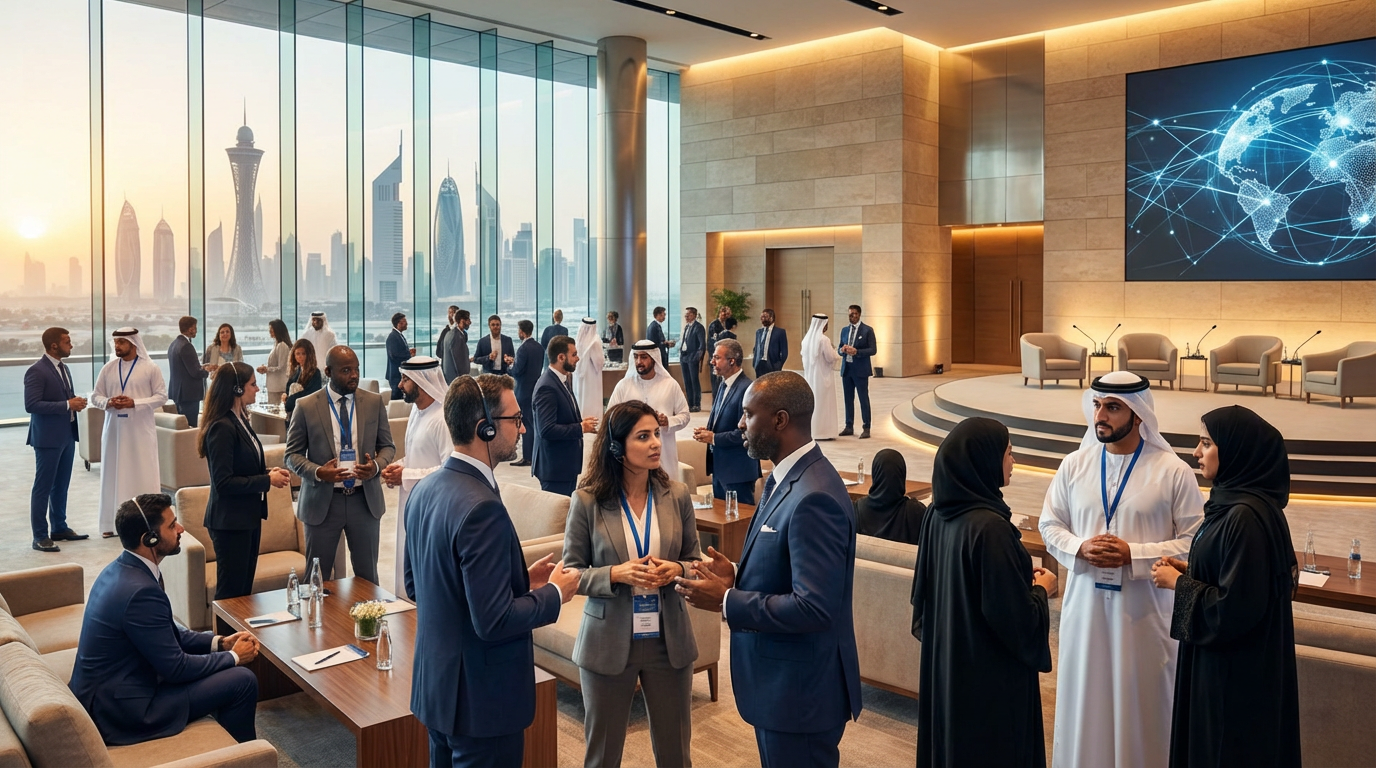
Dubai Sports Council has announced the launch of the World Sports Summit, an ambitious gathering scheduled for December 29–30, 2025, that underscores Dubai’s evolving role in global sport. Rather than focusing solely on competition or spectacle, the summit frames sport as an interconnected system shaped by leadership, investment, technology, and social impact. The initiative aligns with Dubai’s long-term sports strategy, signaling a desire to influence how the sector develops worldwide.
The scale of the planned event reflects that ambition. With more than 70 speakers drawn from athletes, federation leaders, investors, and policymakers, the summit is designed as a crossroads where sport intersects with governance and business. High-profile figures from football, combat sports, tennis, and American football are positioned alongside institutional leaders, suggesting an effort to balance celebrity influence with decision-making authority.
What distinguishes the summit is its emphasis on dialogue about sport’s future rather than celebration of past achievements. Sessions are set to examine how athletes increasingly function as cultural and political actors, how technology and artificial intelligence are reshaping performance and fan engagement, and how sport operates as a tool of diplomacy. These themes reflect broader global debates about who shapes sport’s values and how power is exercised within it.
The program also places notable weight on younger audiences and emerging markets. Discussions around digital content, evolving fan behavior, and long-term legacy aim to address how sport remains relevant in an era of fragmented attention. By pairing these topics with conversations on infrastructure, investment, and women’s participation, the summit frames growth as both economic and social.
In hosting the inaugural World Sports Summit, Dubai appears to be positioning itself not just as a venue but as a convening authority. The event suggests a strategic pivot from hosting major competitions to shaping the narratives and policies that guide sport’s global direction. If successful, the summit could mark a step toward redefining how cities exert influence in international sport—not through trophies or tournaments alone, but through ideas, coordination, and long-term vision.