A pilot program from Grubhub and Dexa will test drone-powered food delivery in Green Brook, offering a glimpse into how automation could reshape the logistics behind everyday restaurant orders.
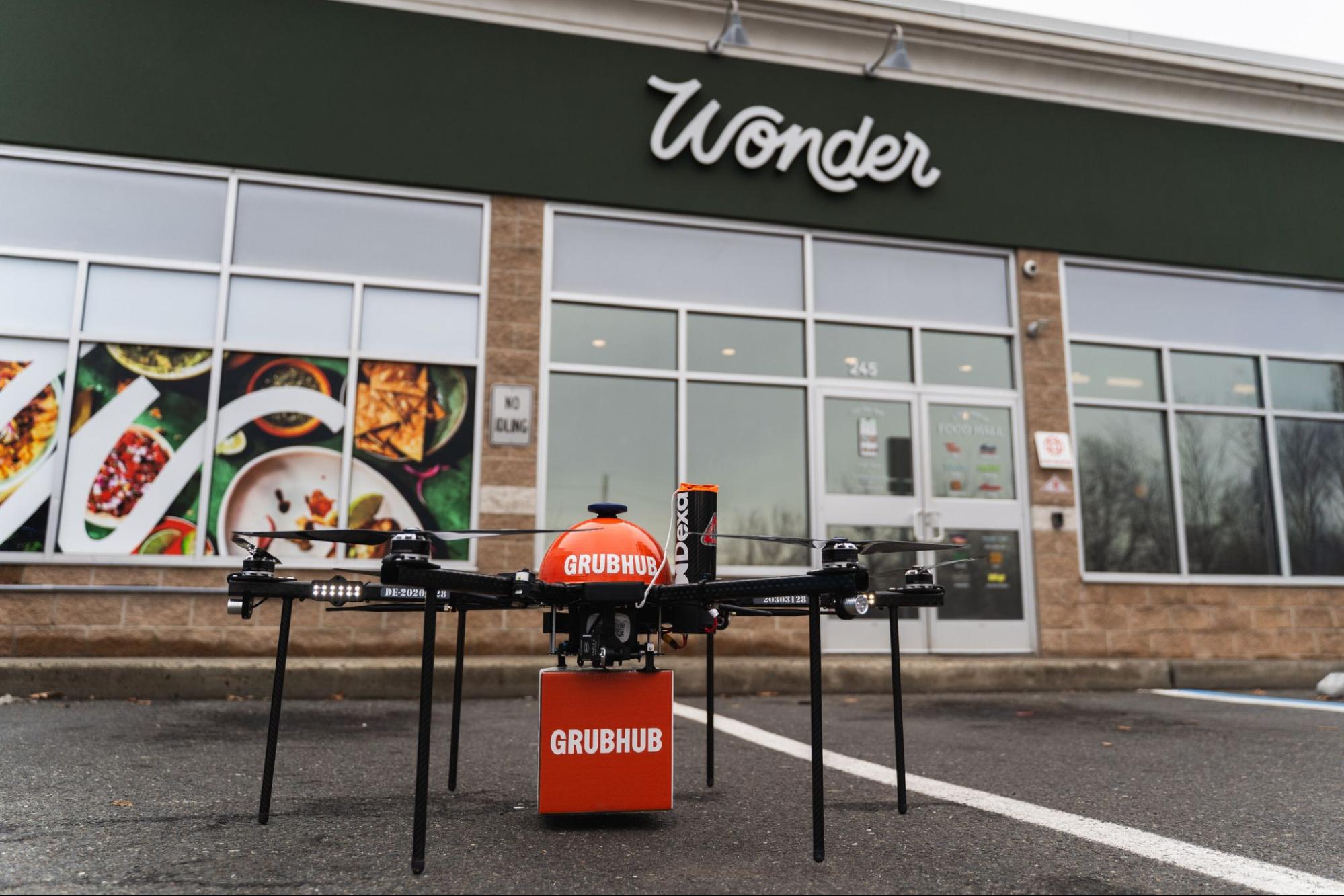
Grubhub is launching a three-month test program in Green Brook, New Jersey, that will allow customers to receive restaurant orders by drone, marking the first commercial use of the technology for food delivery in the state. The initiative, developed with drone logistics company Dexa, will serve diners ordering from Wonder’s local kitchen hub, where multiple restaurant concepts operate under a single roof.
Beginning in mid-March, customers within roughly a 2.5-mile radius will be able to select drone delivery through the Grubhub app. If chosen, a small autonomous aircraft will carry the order from the restaurant facility to the customer’s home, lowering it to the ground using a tether system designed to keep deliveries precise and safe.
The trial reflects a broader effort across the delivery industry to rethink the “last mile”—the final step of transporting goods from a restaurant or warehouse to a customer’s door. Companies have experimented with sidewalk robots, autonomous vehicles, and aerial drones in recent years, searching for faster and more efficient ways to manage the surge in demand for delivery that followed the pandemic.
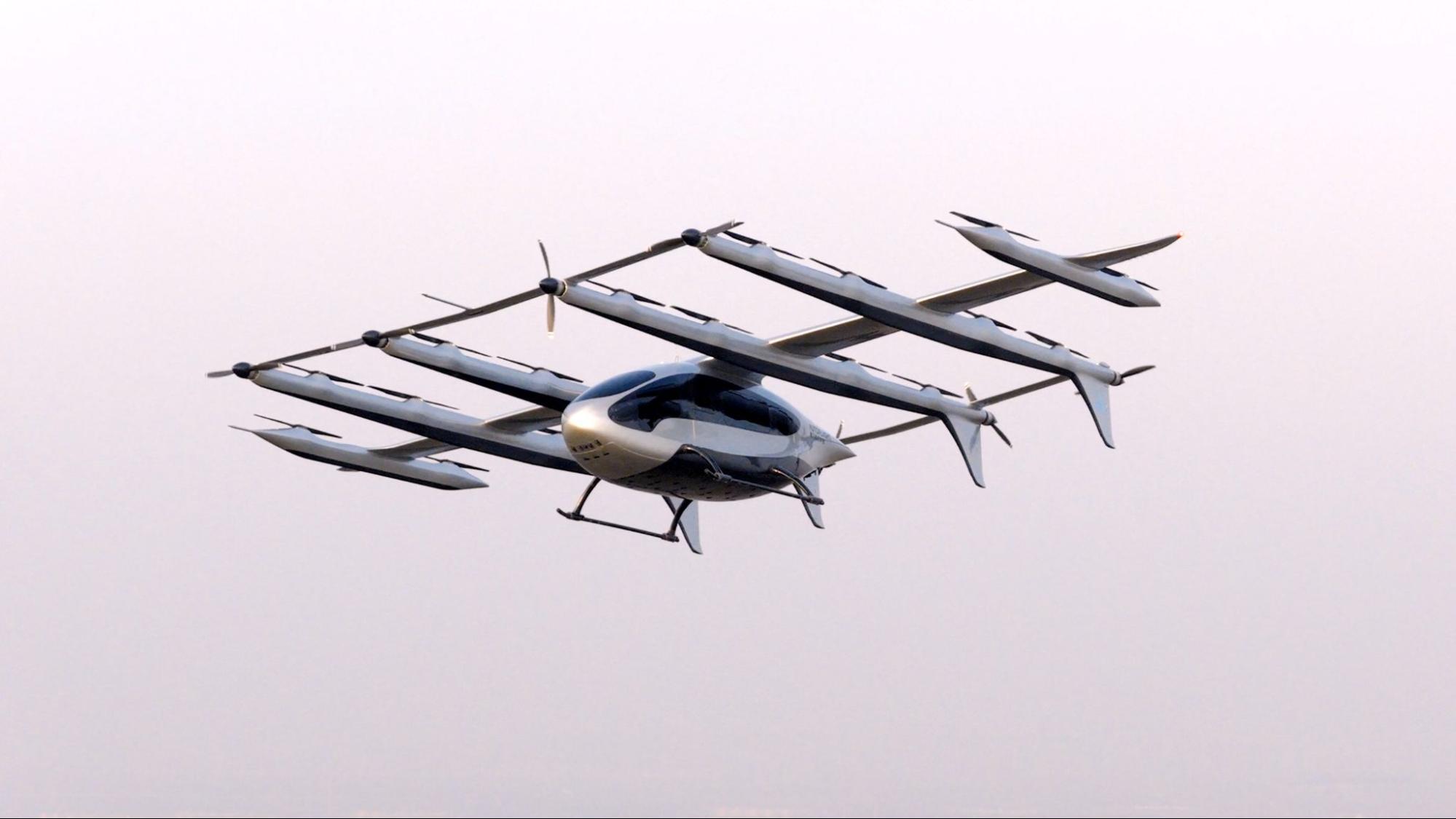
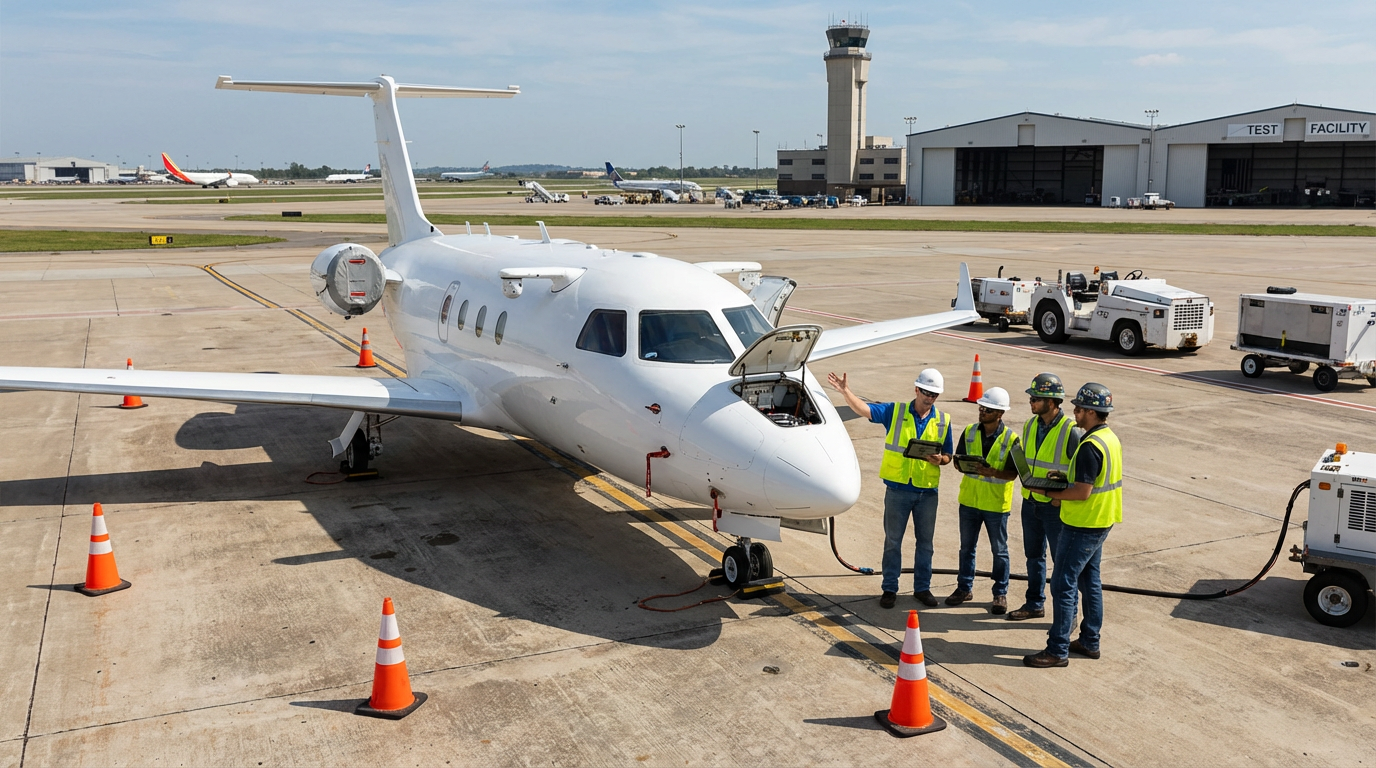
Dexa’s aircraft, known as the DE-2020, operates under Federal Aviation Administration rules that allow certain companies to run certified commercial drone services. While the technology has been used in limited logistics applications, including medical supply transport and pilot retail programs, integrating it into mainstream restaurant delivery platforms remains relatively new.
For Grubhub and its partners, the New Jersey test will likely function as both a technical and social experiment. Beyond the mechanics of flight, the program will help measure how well drone deliveries fit into residential neighborhoods, how customers respond to the option, and whether the technology can reliably integrate into existing ordering systems.
If the pilot proves workable, it may offer a glimpse of a future in which aerial delivery becomes one more option alongside drivers, bikes, and robots. For now, the Green Brook program represents an early attempt to bring that possibility into everyday life—transforming a routine meal order into a small test of automated logistics.