
An interview with the founding partner of an AI-driven architecture-tech firm on creativity, responsibility, and the future of the built environment
Key Takeaways
- AI should expand architectural options, not narrow them
- Constraints are catalysts for better design outcomes
- Technology must respect cultural and environmental context
- Human judgment remains central to architectural authorship
- Long-term impact matters more than visual novelty
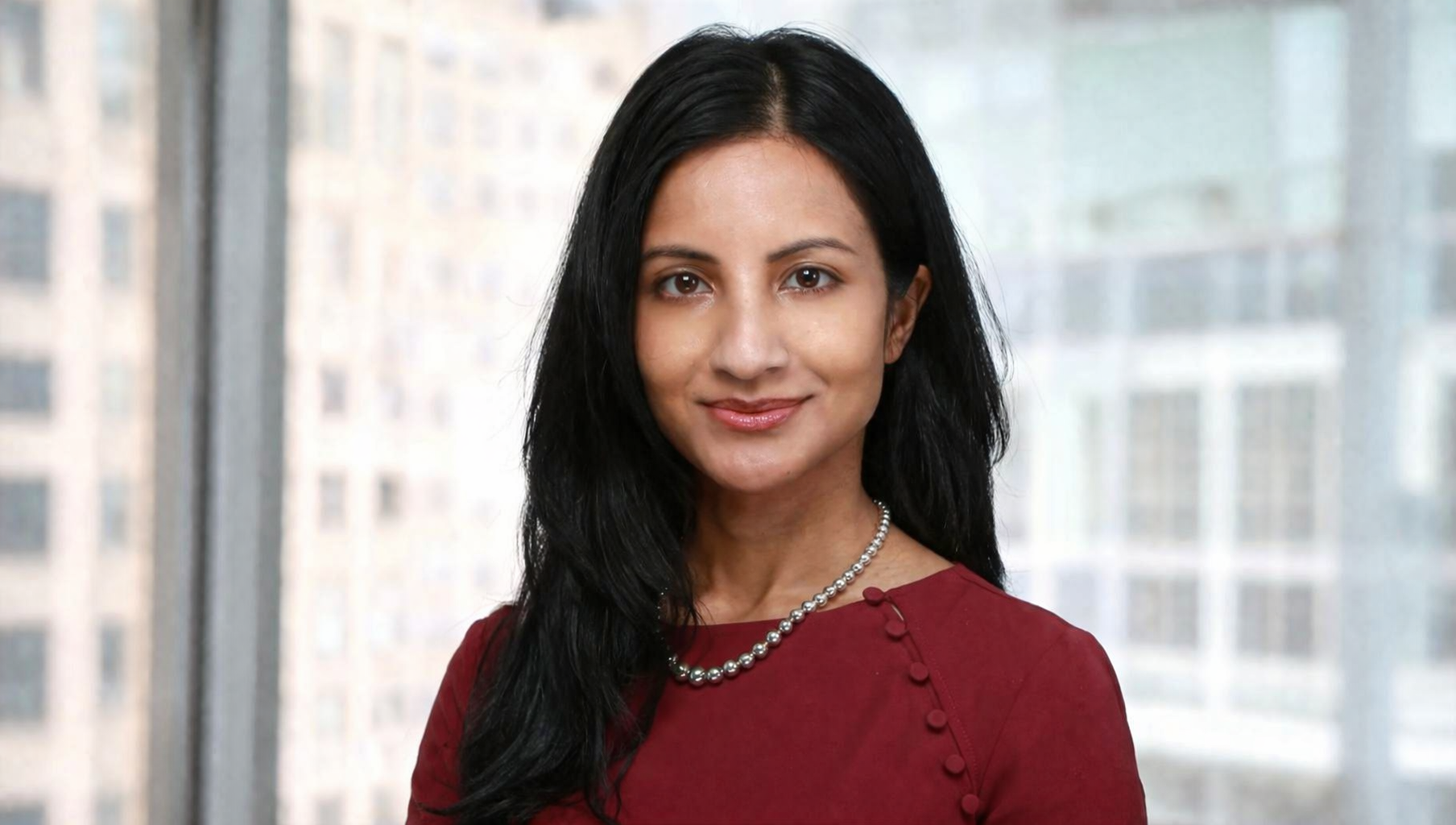
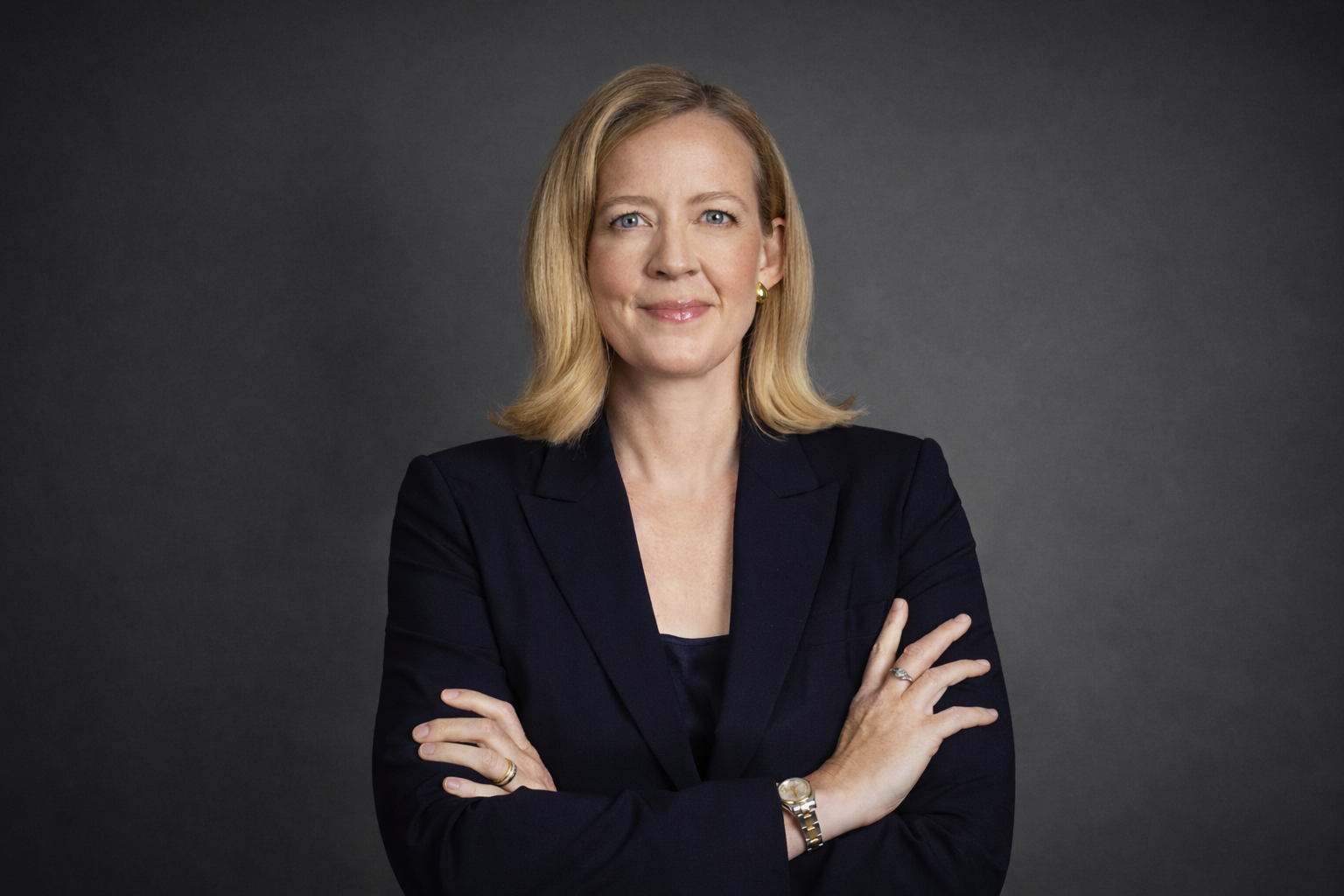
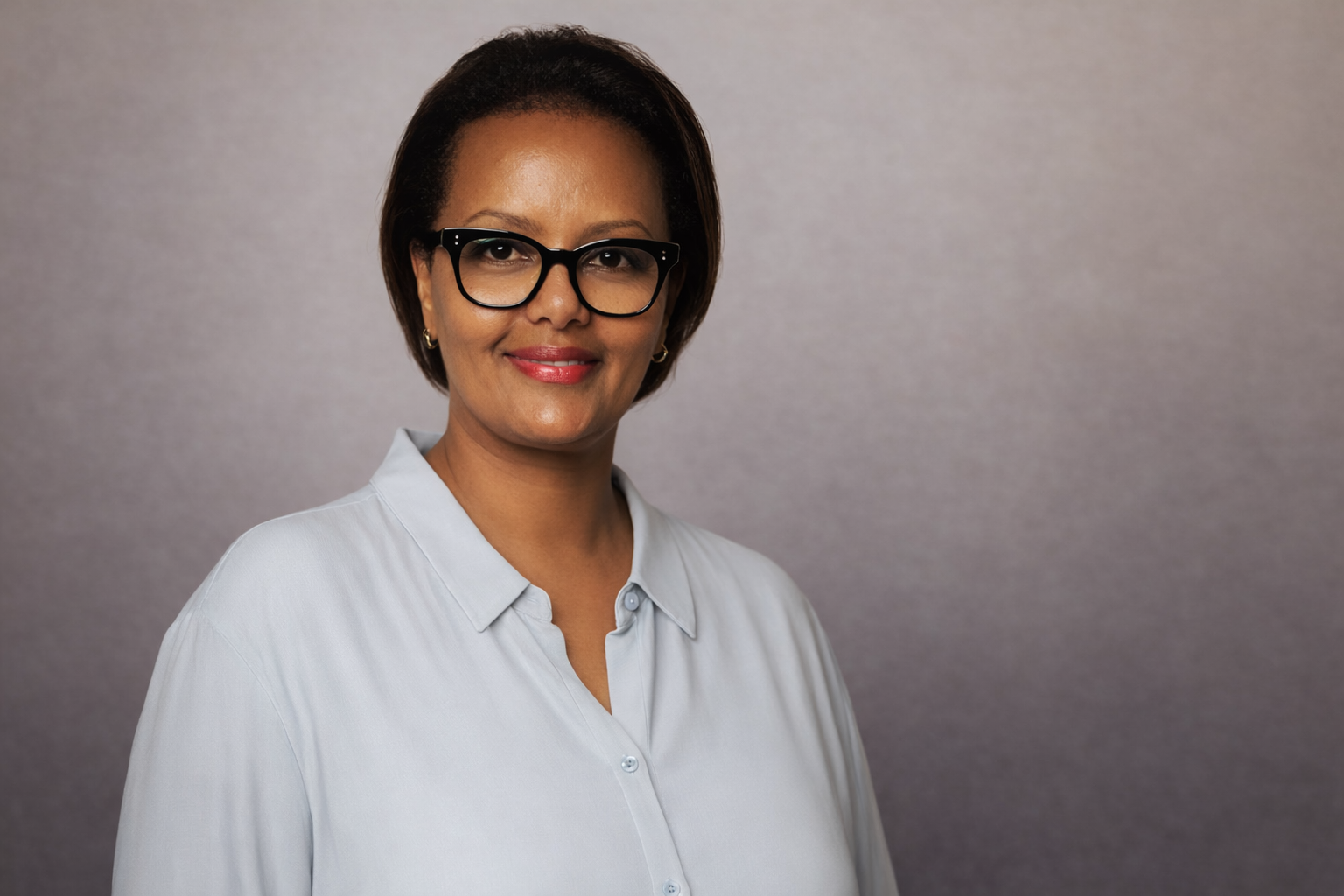
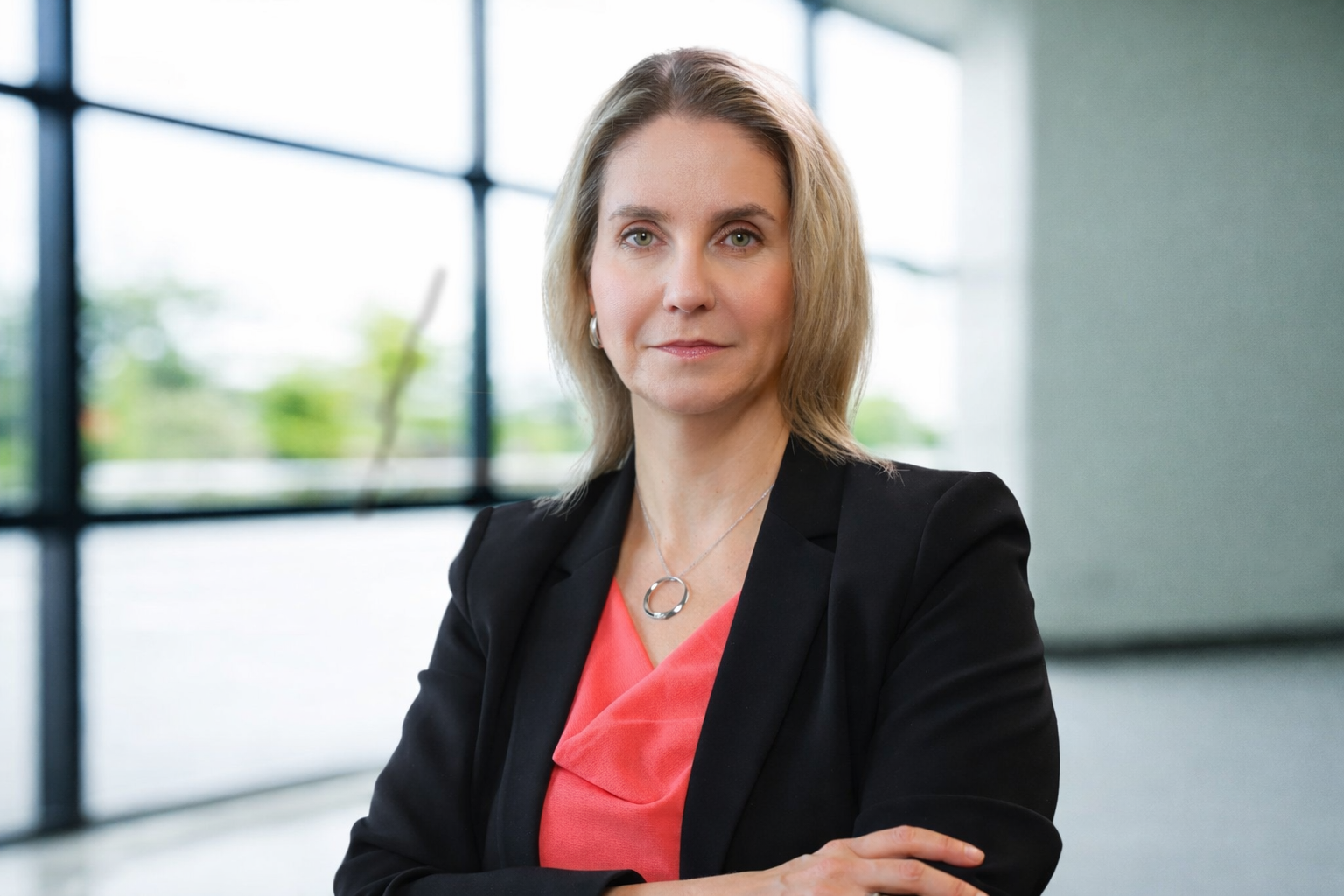
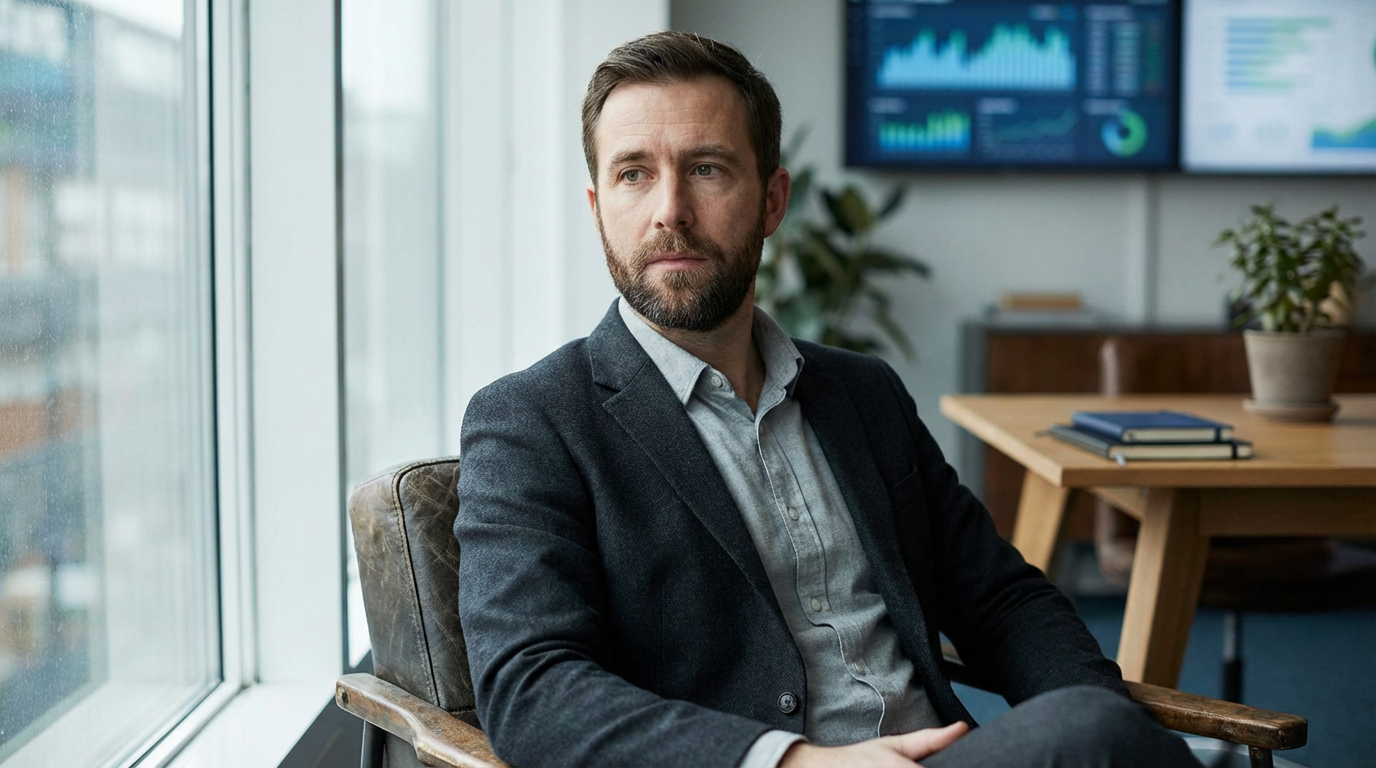
Architecture sits at the intersection of art, engineering, and public responsibility, making it both an ideal and a sensitive domain for artificial intelligence. As AI tools begin to influence how buildings are conceived and evaluated, questions of authorship, context, and ethics have come to the forefront. For Sofia Laurent, founding partner of the architecture-tech studio Atelier Forma, AI is not a shortcut to design, but a way to explore constraints more intelligently. Trained as an architect before moving into computational design, Laurent has spent her career navigating the balance between creative intention and technical rigor. In this interview, she discusses how AI is reshaping early-stage design, why constraints sharpen creativity, and what it means to design responsibly at scale.
Interview
Q1: What inspired you to build an architecture-tech business around AI?
It started with a disconnect I felt in practice. Architects are asked to respond to an overwhelming number of constraints—zoning, climate, materials, budgets, community needs—yet much of that analysis happens late in the process, after key decisions are already locked in.
I saw AI as a way to bring those constraints forward, into the earliest design conversations. Atelier Forma was founded to help designers explore more possibilities while staying grounded in real-world conditions. The goal isn’t to generate buildings automatically, but to give architects a richer field of informed options to work within.
Q2: How do you ensure AI enhances creativity rather than limiting it?
That’s a crucial question. AI can easily become prescriptive if it’s treated as an authority. We design our tools to suggest possibilities, not answers. Instead of outputting a “best” design, the system presents ranges, trade-offs, and scenario comparisons.
Creativity thrives when designers understand the consequences of their choices. By making those consequences visible earlier—energy performance, material impact, spatial efficiency—AI actually frees architects to take more intentional risks. Constraint doesn’t kill creativity; it focuses it.
Q3: Architecture carries public and environmental responsibility. How does that shape your work?
Architecture affects people who never consented to the design process, which makes responsibility non-negotiable. When you introduce AI into that equation, the stakes increase.
We’re careful about what we automate and what we don’t. Decisions that affect safety, accessibility, or cultural context always require human oversight. AI helps analyze data, but value judgments remain human. We see our role as supporting better-informed responsibility, not outsourcing it.
Q4: How have architects responded to AI entering their field?
There’s a mix of curiosity and skepticism, which I think is healthy. Architecture has a strong tradition of authorship, and the fear is that AI could dilute that.
What we’ve found is that architects are receptive when the tool respects their expertise. When AI speaks in the language of design—trade-offs, iterations, alternatives—rather than optimization scores, it becomes a collaborator rather than a threat. Adoption follows when designers feel empowered, not replaced.
Q5: As a founding partner, how do you balance business growth with architectural integrity?
Growth creates pressure to standardize, but architecture resists one-size-fits-all solutions. We’re very selective about the markets and partners we work with because context matters deeply in the built environment.
Architectural integrity means staying grounded in place, people, and purpose, even as the company scales. From a business perspective, that requires patience and discipline. We’d rather grow more slowly than compromise the principles that define our work.
Looking Forward
Atelier Forma’s approach reflects a thoughtful integration of AI into one of the most consequential creative disciplines. Laurent’s emphasis on constraints, authorship, and responsibility challenges the idea that technology must simplify design to be useful. Instead, her work suggests that AI’s greatest contribution may be in making complexity more navigable without flattening nuance. As architecture continues to evolve alongside intelligent tools, the future of design may depend less on automation and more on how deliberately it’s applied.